Things to Do in Acapulco: Cliff Divers, Fort San Diego, La Roqueta
Plan Acapulco around La Quebrada's cliff divers, the Fort of San Diego, the malecón and Isla La Roqueta, with routes that group the bay's sights by distance.
On this page
Acapulco rewards travelers who plan by bay geography rather than by checklist. Nearly everything worth seeing sits along the curve of Acapulco Bay or a short drive from it: the cliff divers at La Quebrada, the Fort of San Diego, the malecón promenade, the Costera Miguel Alemán strip and the boat out to Isla La Roqueta. Use the Acapulco Map to group those sights by distance so you can build a day on foot or in a taxi instead of crisscrossing the city, and this guide flags the trade-offs, from paid viewing platforms to quieter beaches outside the hotel zone.
Where Acapulco's sights sit: the bay, the Costera strip, the historic center and Punta Diamante
Acapulco wraps around a large bay, and most visitor sights line the water. The Costera Miguel Alemán is the main bay-front avenue, running past the hotel zone beaches of Condesa and Icacos toward the historic center, where the Zócalo, Cathedral and markets sit. Farther southeast, Punta Diamante and Puerto Marqués form the newer, quieter side of the bay.
La Quebrada sits in the old part of town near La Candelaria, on the ocean side rather than the sheltered bay, and the Fort of San Diego stands close to the center near the malecón. Pie de la Cuesta lies a short drive from downtown and faces the open Pacific, which makes it a different kind of beach day from the Costera. Sketch these three zones on a map before booking anything, because a single taxi run between the Diamante side and La Quebrada crosses most of the city.
La Quebrada cliff divers: the show, the two ways to watch, and what the dive involves
The La Quebrada cliff divers are Acapulco's signature spectacle, a tradition that began among local fishermen in the 1930s and continues as an organized show. Divers scale the cliff and time their leaps to incoming surf in a narrow, rocky inlet. One account puts the drop at up to 115 feet, while another cites a 130-foot cliff and a resort page lists 98.4 feet, so treat the exact height as approximate.
You have two practical ways to watch. You can pay a small cash-only fee to stand on the platform close to the divers, or book a table at La Perla restaurant and watch over dinner. The platform is the cheaper, more direct option; the restaurant costs more but gives you a seat, a meal and a view of the torches on the evening dives.
Show times vary by source. In 2024 reporting, shows ran daily at 13:00, 19:00, 20:00, 21:00 and 22:00, with platform admission at 50 pesos for adults and 20 pesos for children at that time. A resort page lists 12:45, 7:30, 8:30, 9:30 and 10:30 p.m. Confirm the schedule with your hotel or the ticket window on the day, and carry cash for the platform.
Fort of San Diego and the Acapulco Historical Museum
The Fort of San Diego is Acapulco's most significant historical monument, a star-shaped fortress built in the 17th century to defend the city from pirate attacks. Today it houses the Acapulco Historical Museum, whose exhibits trace the city from pre-Hispanic times through the colonial era to the present. Guides lead tours through the museum, and the ramparts give panoramic views over Acapulco Bay that make the fort one of the best photography stops in the center.
Pair the fort with the malecón and the historic center, since all three sit close together on the bay side. Budget a half-day for the fort, the museum and a walk along the water rather than treating the fortress as a quick photo stop, because the exhibits take time to read.
The malecón and the Costera: how far the waterfront walk runs and what you pass
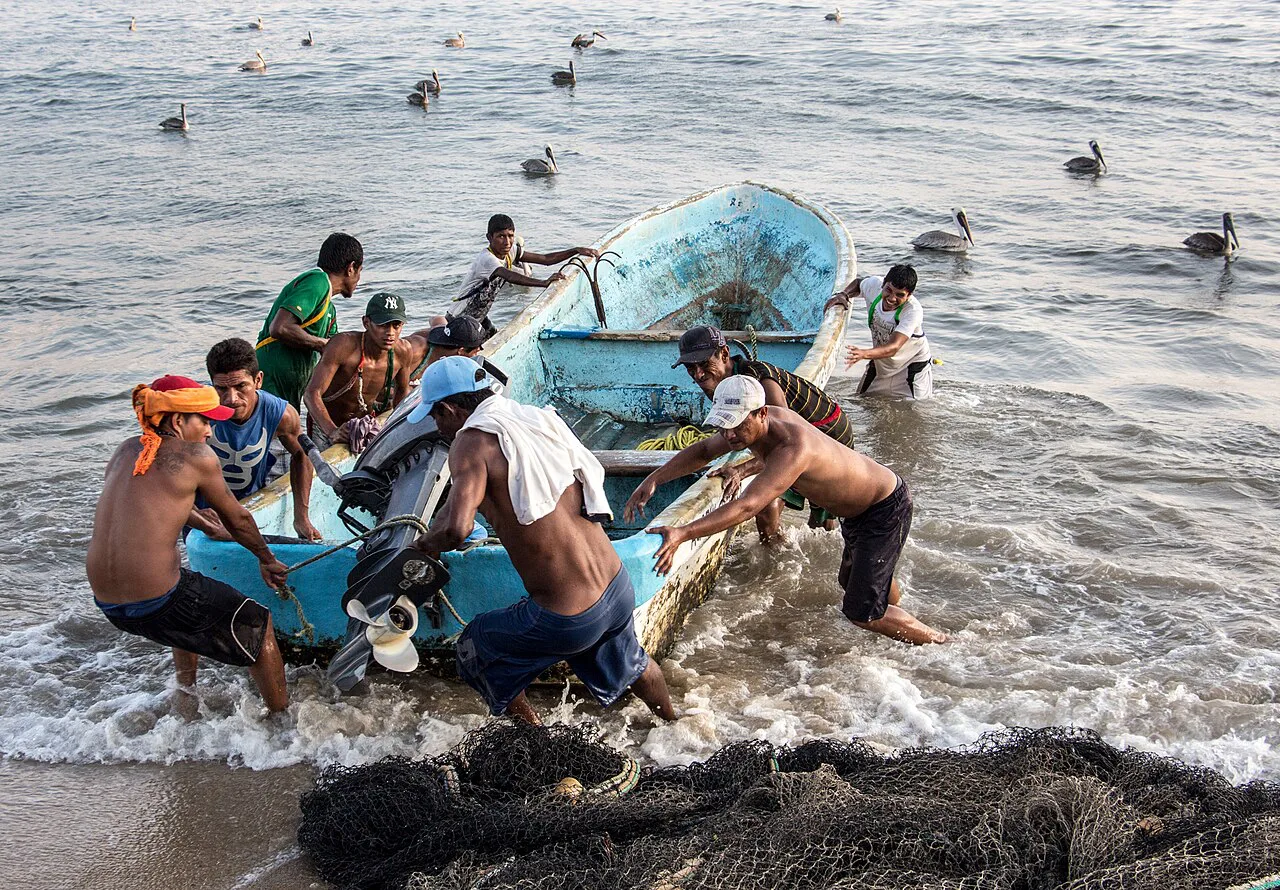
The malecón is a waterfront promenade along the city's main bay, and one traveler describes the Acapulco strip as running about 17 miles. In practice you walk a section of it, not the whole length. Along the way you pass street vendors selling crafts and street food, local fishermen bringing in the daily catch, and viewpoints over the bay and the city skyline.
The Costera Miguel Alemán is the avenue behind the promenade, and it links the hotel zone beaches, restaurants and the historic center. Walking the Costera in the morning is cooler and quieter than midday, and you can break the walk at Playa Condesa or Playa Icacos for a swim. Boat tours around the bay also leave from the waterfront if you would rather see the shoreline from the water.
Zócalo, Cathedral and the nearby markets
The historic center holds the Zócalo, the Cathedral and the surrounding markets in a compact area you can cover on foot. A downtown half-day works well: see the square and the church, then browse the market stalls for crafts and local goods. This gives you the city's older, more local character, distinct from the beach strip along the bay.
The Mercado Central is the place to shop for souvenirs, with stalls selling handmade crafts, clothing and food. Vendors are part of the experience throughout Acapulco, and along the beaches they bring ceviche, oysters, ice cream, souvenirs and even massages to your chair, so carry small bills if you plan to buy.
Isla La Roqueta: the glass-bottom boat out, the snorkeling, and the quieter beach beyond
Isla La Roqueta is a well-visited island reached by glass-bottom boat, and the lines for the crossing show it is no longer a hidden spot. Even so, it is still worth the trip for snorkeling and for hiking around the island. A less-visited beach lies beyond the main landing: follow the cement path past the busy shore, where the trail continues toward Playa Dania.
Plan the island as a half-day and check boat departure times and fares at the pier rather than assuming a schedule. Bring cash for the crossing, snorkel rental and food, since island vendors work on the spot.
Farallón del Obispo and the sunset swim off Playa Condesa
Off Playa Condesa, in front of the Hotel Emporio, a small island called Farallón del Obispo sits within swimming distance. Reaching it takes about ten minutes of open-water swimming, roughly a quarter mile, while dodging passing boats. There is a pull rope and a pair of stairs to help you climb up.
The payoff is a sunset view back across the bay toward the hotels. Go with someone, watch for boat traffic, and head back before dark, because the Pacific current can be strong. If the swim sounds like too much, watch the light from the beach instead.
Playa Icacos, Playa Condesa, Playa Revolcadero and Pie de la Cuesta
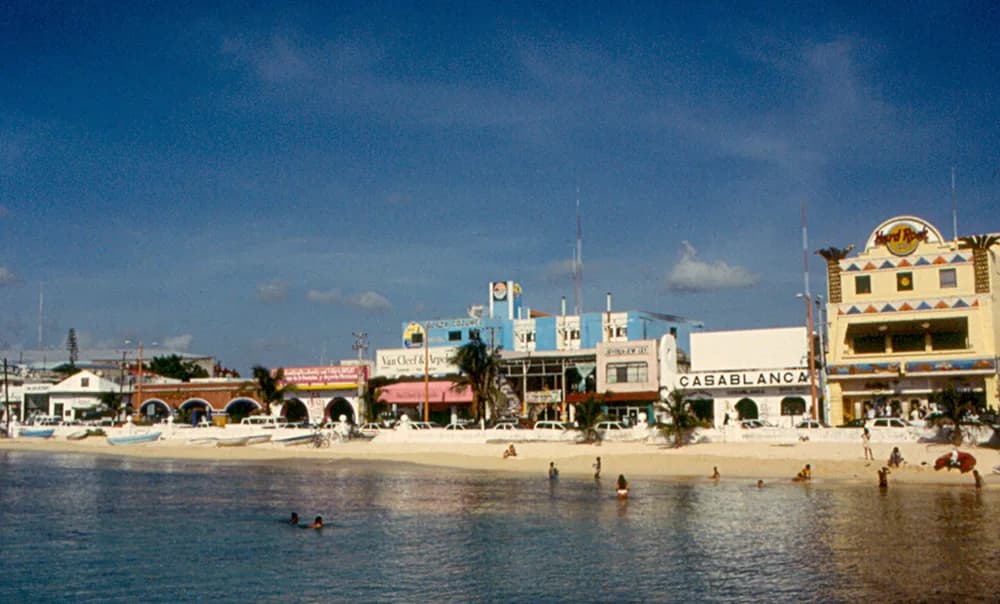
The Costera beaches are the busy, social option. Playa Condesa sits in the heart of the hotel zone and is popular for swimming, sunbathing and people-watching, with bars and seafood restaurants nearby. Playa Icacos lies along the Costera Miguel Alemán with easy access from hotels and restaurants, and it is where you go for jet skis, kayaks and snorkeling.
For a calmer day, Pie de la Cuesta is a short drive from downtown and is better suited to sunsets and walks than to a resort-style beach day; you can also take a boat on the nearby Laguna de Coyuca. Playa Revolcadero, on the Pacific coast, draws surfers and horseback riders along the sand. Expect to pay for beach extras such as wave runners: in 2024 reporting, rentals ran about 700 pesos for 40 minutes, with operators sometimes offering 30 minutes first, so agree on the time before you pay.
Chapel of Peace and the hilltop views over the bay
The Chapel of Peace sits on a hill above the bay and is known for its views, which makes it a short stop to combine with a Costera drive. Come for the lookout rather than a long visit, and go in the late afternoon when the light is softer.
Puerto Marqués and Punta Diamante: the quieter side of the bay
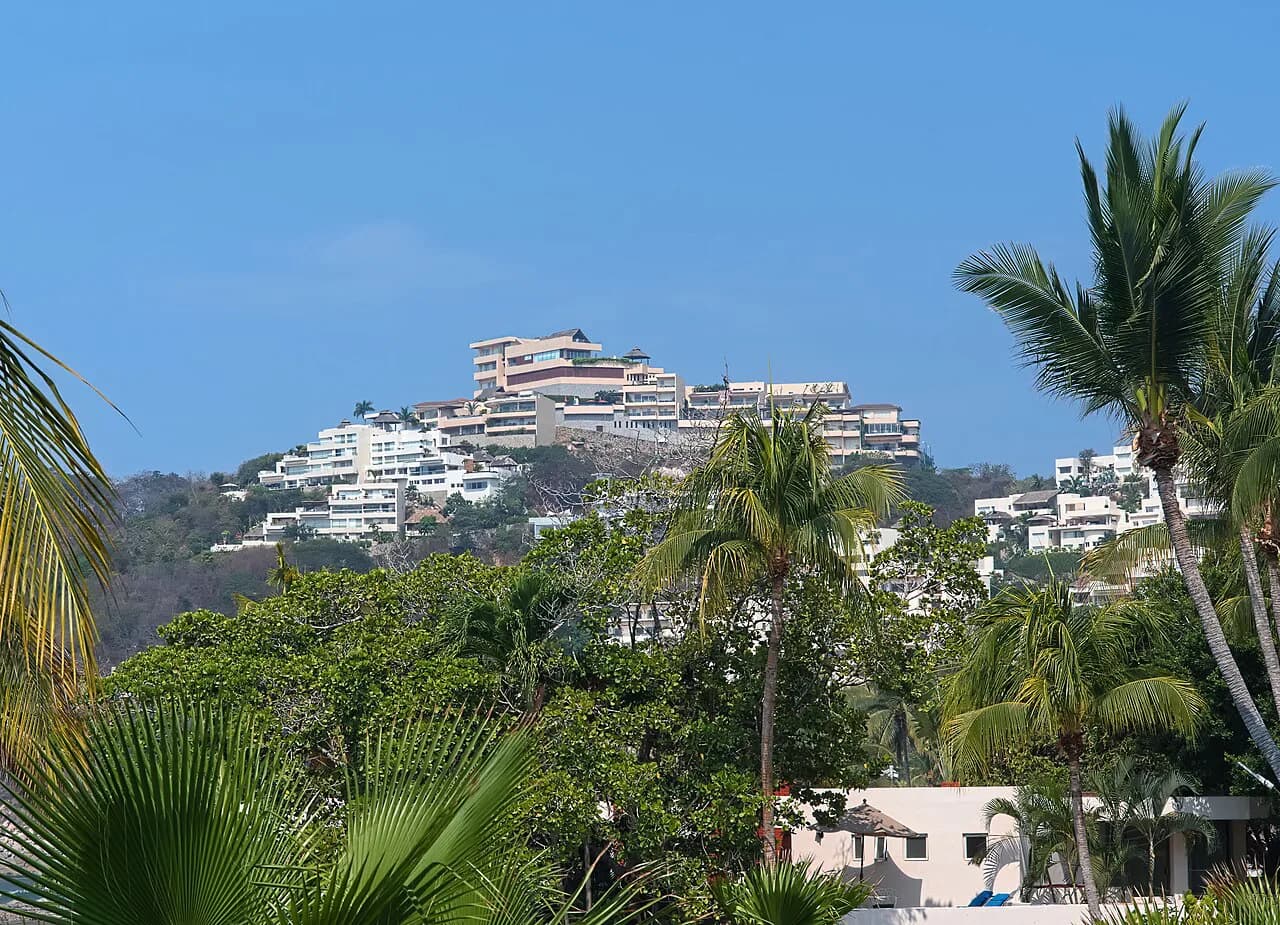
Puerto Marqués, known as Fishermen's Bay, and Punta Diamante form the newer, calmer end of Acapulco. Puerto Marqués keeps a traditional character, while Punta Diamante has grown into the resort side of the city. If you want a half-day away from the bustle of the Costera, this is where to spend it.
How long Acapulco needs: a one-day route and a two- to three-day route
With one day, stay on the bay side. See the Fort of San Diego and the historical museum in the morning, walk the malecón and the Costera, swim at Playa Condesa, and finish at La Quebrada for an evening dive show. With two or three days, add the boat to Isla La Roqueta, a historic-center half-day at the Zócalo, Cathedral and markets, and a quieter afternoon at Pie de la Cuesta or Puerto Marqués.
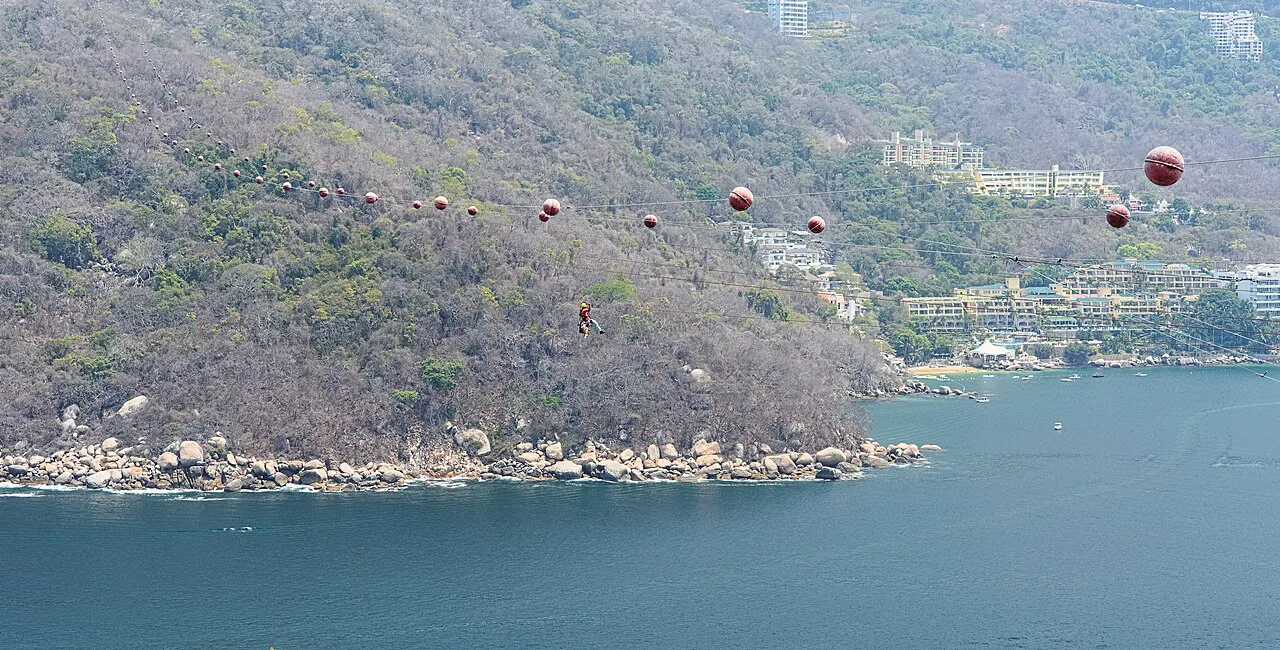
The Botanical Garden makes a good filler stop on a slower day. Beyond the beach clubs and the zipline and bungee options, the garden gives you a calmer change of pace without a long drive.
Getting around: the Costera strip, taxis and boats to the island
The Costera is walkable in sections but long enough that taxis make sense between the hotel zone, La Quebrada and the historic center. Agree on the fare before you get in. Boats to Isla La Roqueta leave from the bay front, and the crossing is short enough for a half-day trip.
If you would rather see the bay from the water, boat tours run from the malecón, and wave runners let you cover more of the shoreline. For a change of scenery beyond Acapulco, compare things to do in Cabo San Lucas or things to do in Cancún, both also built around a big bay or a beach strip.
Cash, platform fees and vendor prices at the sights
Carry cash in small bills. The La Quebrada viewing platform is cash only, and beach and market vendors sell food, drinks and souvenirs on the spot, so cards will not always work. In 2024 reporting, platform admission ran 50 pesos for adults and 20 pesos for children, and wave runner rentals about 700 pesos for 40 minutes, but treat those as historical figures and confirm the current price on site.
Is Acapulco still worth a trip?
Acapulco remains a working beach city with a strong local character, and travelers describe it as popular with Mexican visitors rather than as a westernized resort strip. Its history as a glamorous destination dates back decades, and the bay views, cliff divers and old center still hold up. If you want a Mexican beach city with an everyday feel rather than a resort bubble, it delivers.
Which Acapulco day fits your trip?
Build your day around one zone at a time. The bay side gives you the fort, the malecón and La Quebrada in a single loop, while the historic center and the island work as separate half-days. If you have more time, add Pie de la Cuesta or Puerto Marqués for a slower pace.
The Mexican coastal food is part of the draw, so leave room for seafood on the beach or in town, and budget cash for vendors and platform fees. Confirm current show times and prices at the ticket window when you arrive.
Explore more Acapulco guides
- Acapulco Map
- Acapulco Markets
- Acapulco Sunset
- Is Acapulco Worth Visiting?
Frequently Asked Questions
What is Acapulco known for?
Acapulco is best known for the La Quebrada cliff divers, who have performed since the 1930s, and for its large bay lined with beaches such as Playa Condesa and Playa Icacos. The Fort of San Diego, the malecón and Isla La Roqueta round out the main sights.
Can you swim in the ocean in Acapulco?
Yes. Playa Condesa and Playa Icacos are both used for swimming and water sports. Currents can be strong in open water, so stay aware of conditions before going far from shore.
Sources
Notes for your next Mexico trip
Optional updates when we add or correct a town guide.
You might also like
Continue reading
More guides you'll find useful