Things to Do in Cancún: Ruins, Markets, Islands and Cenotes
Plan your days in Cancún by area: small Maya ruins in the Hotel Zone, Mercado 28 and Parque de las Palapas downtown, the Maya Museum, Isla Mujeres and cenotes.
On this page
The fastest way to plan things to do in Cancún is to stop treating it as one place. Downtown Cancún, the Hotel Zone along Blvd. Kukulcán, and the day-trip corridor south and north of the city each hold a different set of sights, and mixing them on the same day wastes hours in traffic. Pick one zone per day, then slot in one full-day outing to an island or cenote.
Downtown gives you the food and market side: Parque de las Palapas with its taco and snack vendors, and Mercado 28 for handicrafts. The Hotel Zone holds two small Maya archaeological sites, El Rey beside Playa Delfines and El Meco a short drive north, plus the Museo Maya de Cancún. Beyond the city, Isla Mujeres by ferry and the cenotes of the Yucatán Peninsula fill the longer days.
Where Cancún's things to do cluster
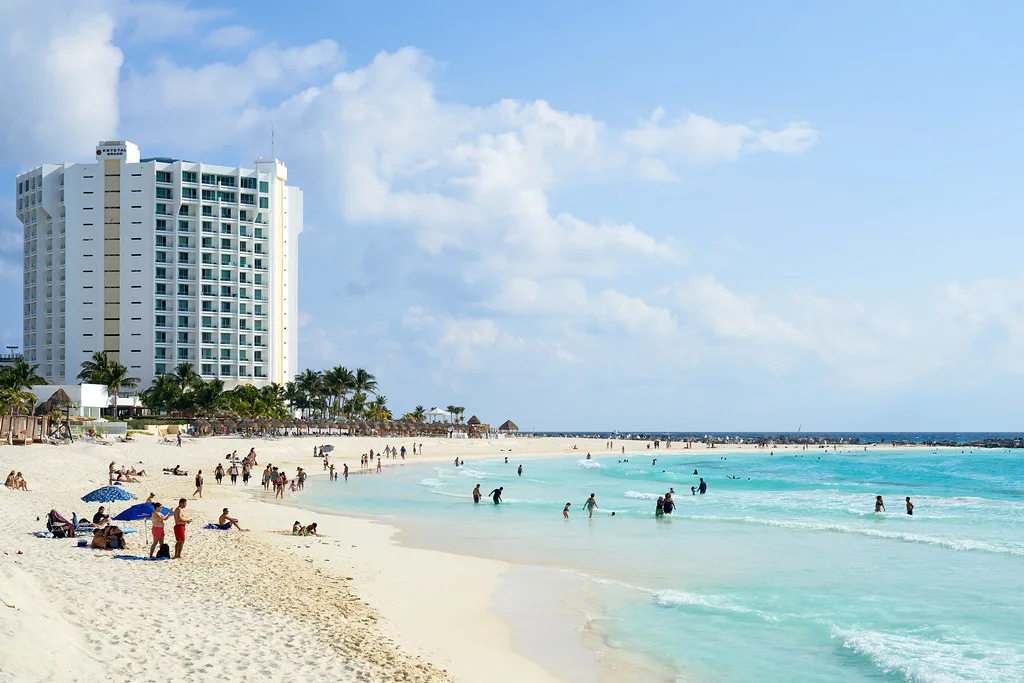
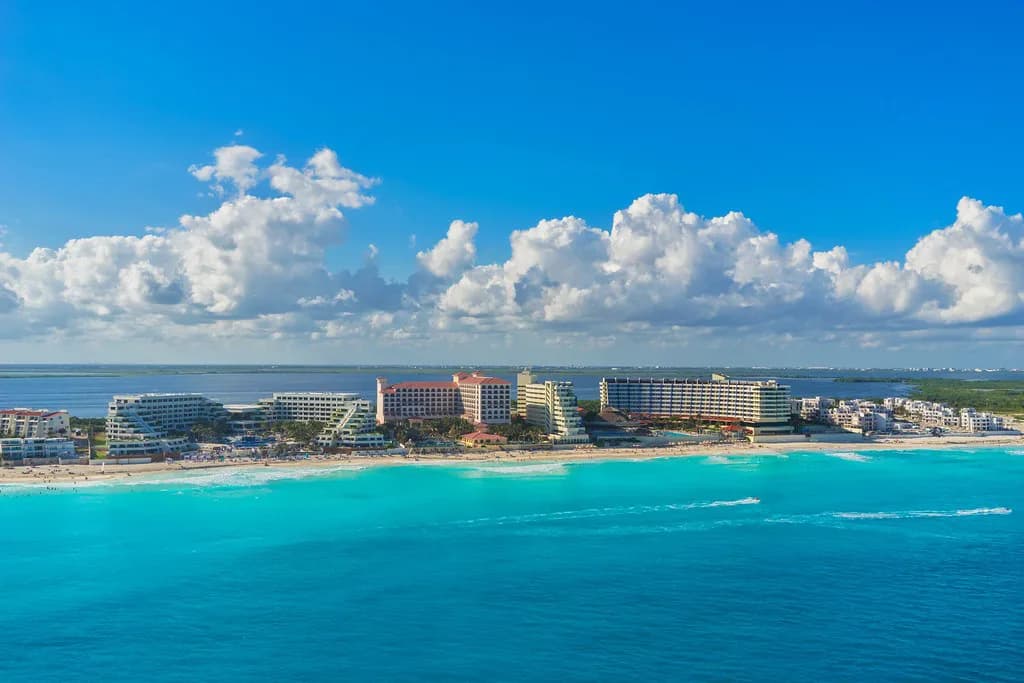
Treat the city as three bands. The Hotel Zone is a single long strip on Blvd. Kukulcán running beside the lagoon and the Caribbean, with Playa Delfines at its southern end. Downtown Cancún, called El Centro, sits inland and holds the main square, the market and most everyday food. The third band is everything outside the city: the ferry pier at Puerto Juárez, the cenotes, and the ruins that need a half or full day.
This layout decides your transport. A rental car makes sense if you plan to string together El Meco, Isla Blanca and a cenote, since some of those sit off the bus line. For downtown and the Hotel Zone, the local bus along the strip and into El Centro costs little and needs no booking. For longer hops, the Cancún ADO Bus covers regional routes. Plan around one zone a day rather than zigzagging, and you will spend your time at sights instead of in taxis.
El Rey and El Meco: the small Maya ruins inside Cancún
You do not have to reach Chichén Itzá to see Maya stonework. El Rey sits right beside Playa Delfines, next to the Hotel Zone, and holds more than 40 building ruins where iguanas climb over the hot stones. El Meco is a smaller site north of the Hotel Zone, about a 20-minute drive away, with several buildings to walk among. Neither compares in scale to Tulum, Cobá or Chichén Itzá, which is exactly why each takes an hour or so rather than a day. If you want to weigh cliffside ruins against city ones, compare these with the things to do in Acapulco.
Both sites charge a low entry fee, reported at around 75 pesos or about 3 to 4 US dollars per person. Treat that as a reported figure and confirm the current rate at the ticket window on the day you go. El Rey's position beside Playa Delfines makes it the easier pairing: ruins first, then the beach and the Museo Maya next door.
Museo Maya de Cancún and San Miguelito: the rainy-day pick
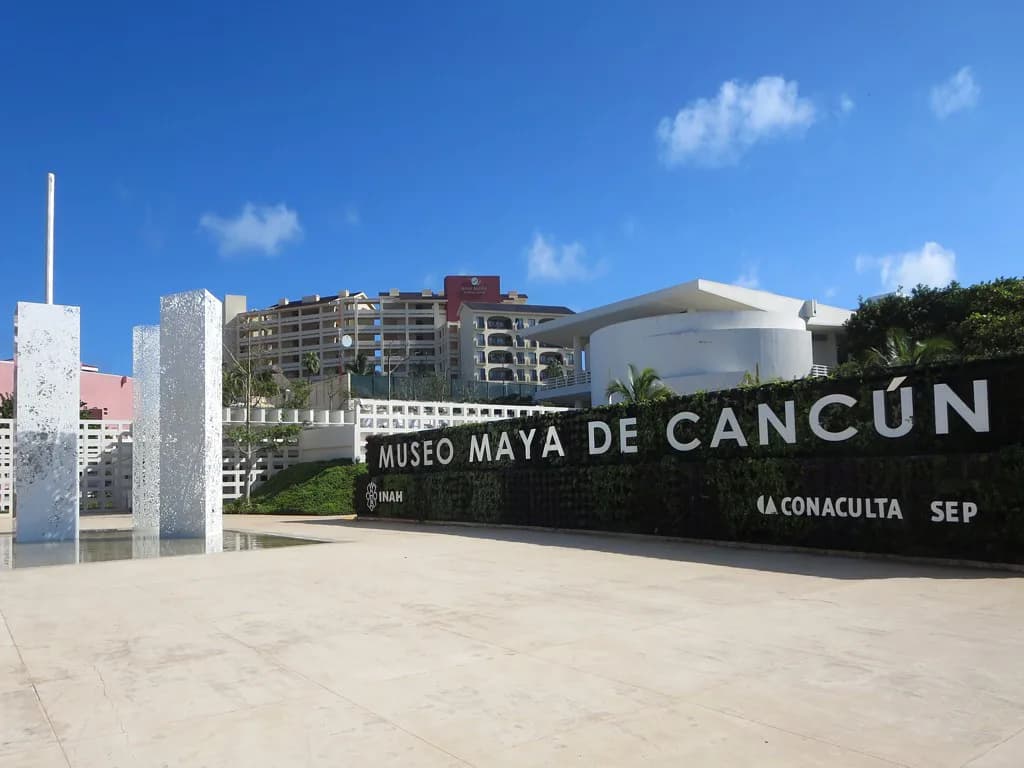
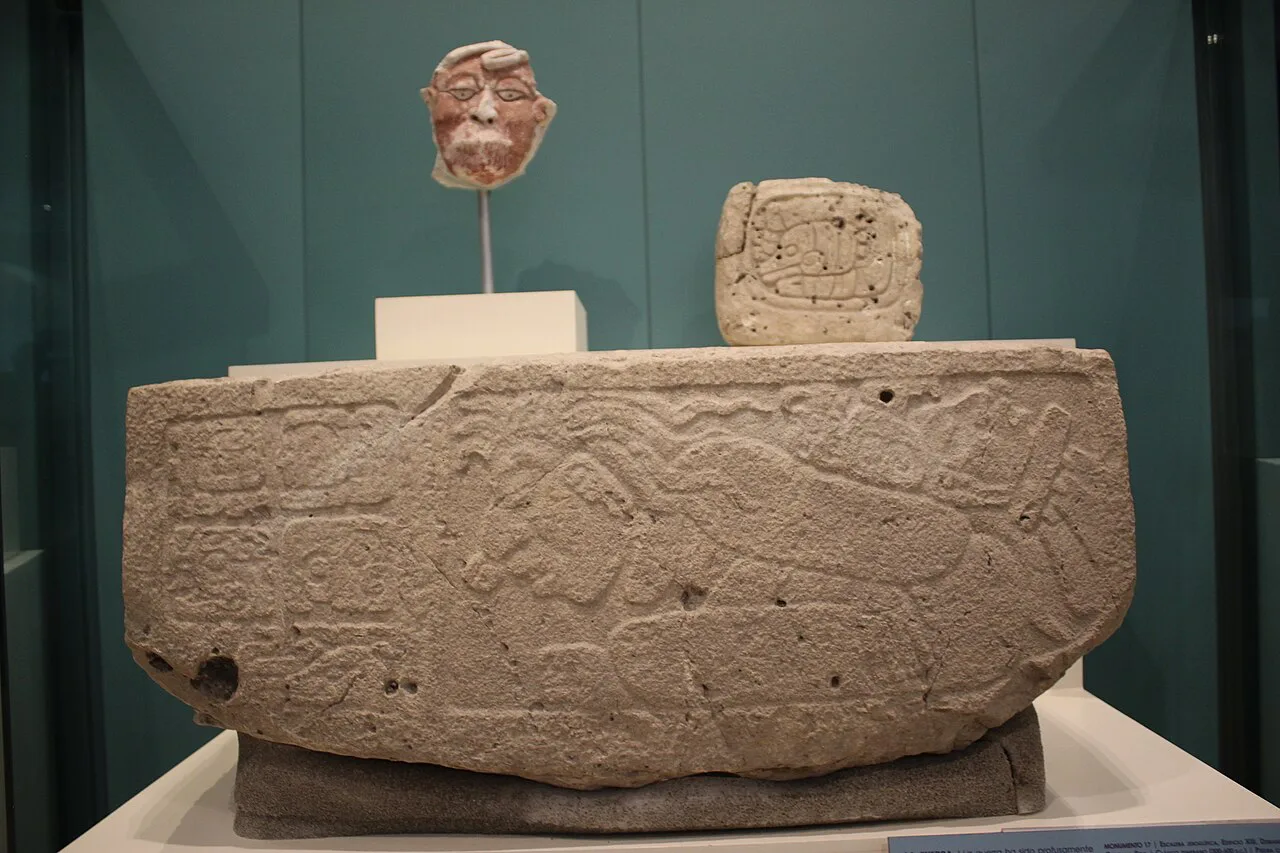
When the weather turns, head to the Museo Maya de Cancún next to Playa Delfines. It houses a collection of Maya artifacts, and the ticket also covers the San Miguelito archaeological zone on the same grounds, so you get indoor and outdoor Maya sightseeing in one stop. Allow a couple of hours if you read the exhibits, less if you are fitting it between beach time and dinner.
Pair it with El Rey on the same afternoon, since the two sit within walking distance of each other at the southern end of the Hotel Zone. Check the museum's opening days before you build a day around it, because a closed museum would leave you with only the outdoor zone.
Parque de las Palapas: tacos and Yucatán snacks downtown
Parque de las Palapas is downtown Cancún's main square, and it works as a food stop rather than a sight. Vendors around the plaza sell tacos, snacks and Yucatán specialties at low prices, and locals use the square as a gathering place, so you eat alongside residents rather than tour groups. Come hungry and order across a few stands instead of committing to one.
Evenings are when the square is liveliest, with entertainment on the plaza when something is scheduled. It is a free stop apart from what you spend on food, which makes it a good anchor for a downtown day that also includes Mercado 28.
Mercado 28: handicrafts and local food in central Cancún
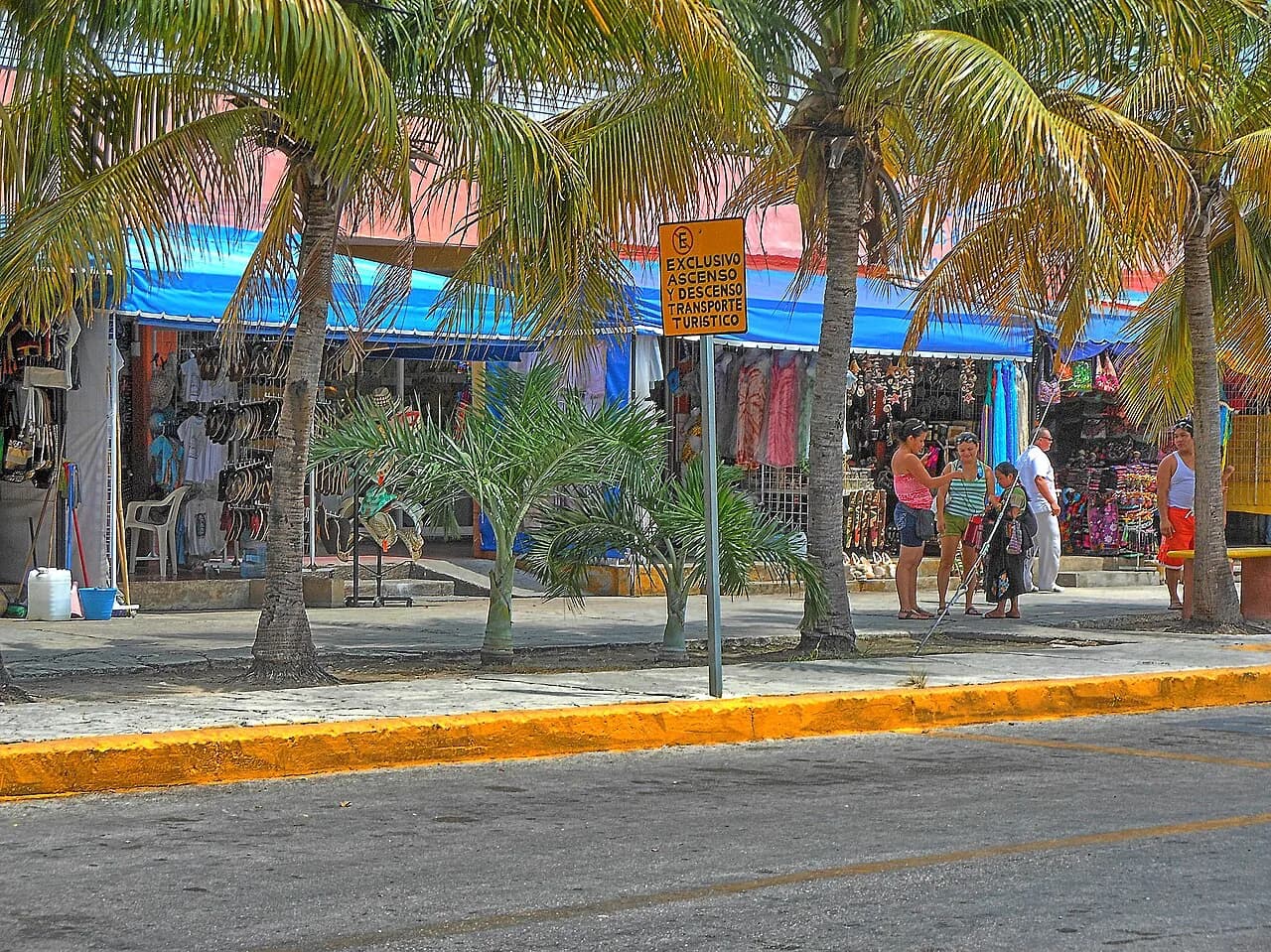
Mercado 28 is the downtown market for handicrafts, textiles and souvenirs, and it also has food stalls inside and around it. It suits a morning of browsing and a cheap lunch in the same visit. Expect vendors to approach you actively; decide your budget before you sit down to eat and you will enjoy it more.
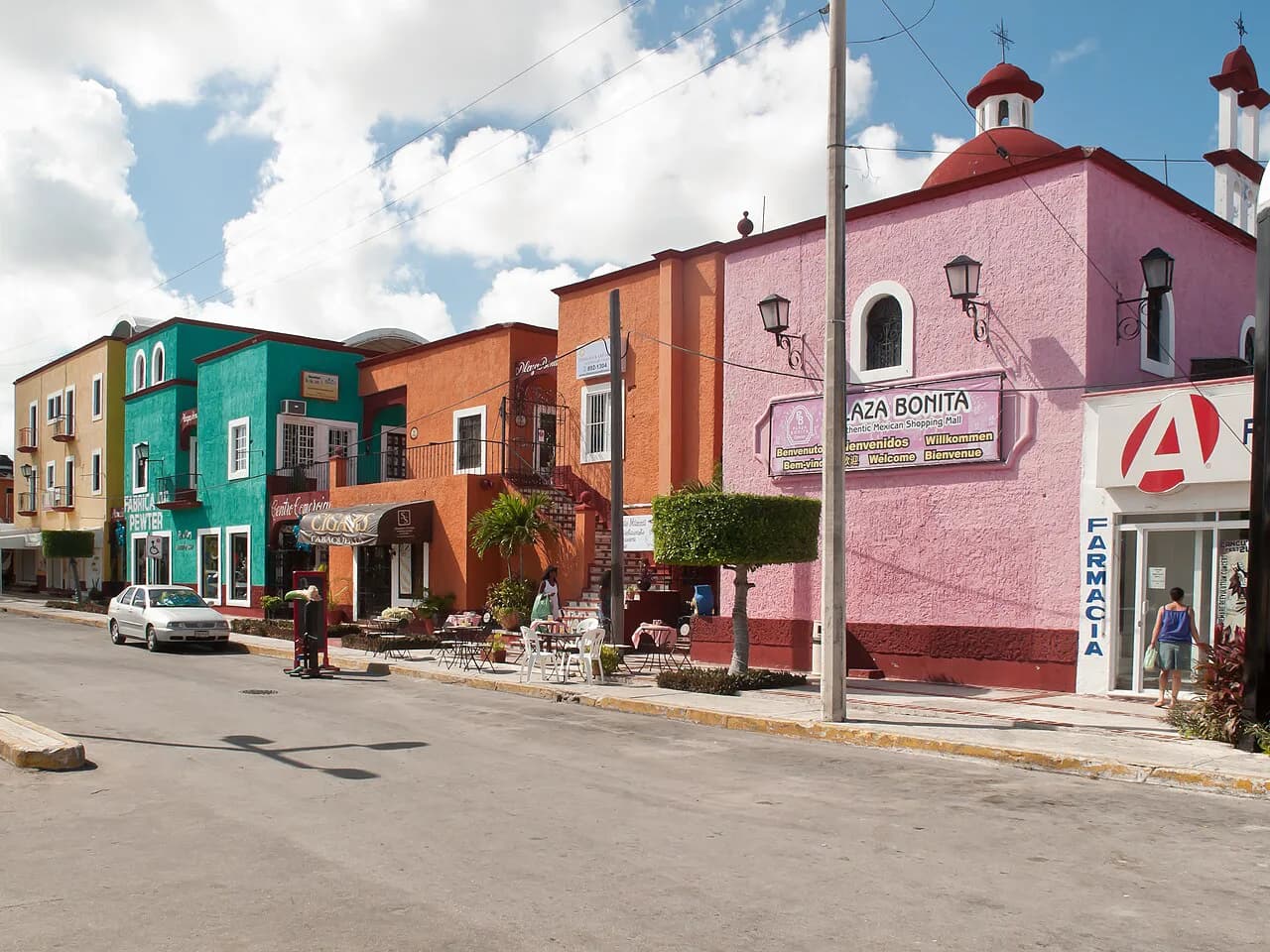
Build a downtown day around the market and Parque de las Palapas, both in El Centro and close enough to combine on foot or with a short taxi ride. This is also where you see the everyday side of the city that the Hotel Zone does not show.
Isla Mujeres by ferry from Puerto Juárez
Isla Mujeres makes the easiest full-day island outing from Cancún. Ferries leave from Puerto Juárez, and the crossing runs frequently enough that you can turn up and buy a ticket rather than planning your whole day around a departure. Buy your ticket ahead if you are traveling in a busy period, and confirm the return times at the pier when you arrive.
On the island, Parque Garrafón bundles access to a private beach area with lunch, snorkel gear, lockers and towels into one entrance ticket, which suits travelers who want a base for the day rather than hunting down each piece separately. Book in advance for a discount and check what the current package includes before you pay. Near the park, the beachfront on the island's north is a free way to end the afternoon.
Isla Contoy and Isla Blanca: the quieter options
If Isla Mujeres feels too busy, two alternatives sit at opposite ends of the effort scale. Isla Contoy is a remote island reached by boat tour rather than a public ferry, so it takes a booked excursion and most of a day. Isla Blanca is a remote beach north of the city that you reach by car, which makes it a fit for travelers with a rental.
Choose Isla Contoy when you want a boat day with a guide and are willing to commit the hours; choose Isla Blanca when you have wheels and want to escape the Hotel Zone crowds without a schedule. Neither works well on public transport, so plan the transport before you commit to either.
Day trips: Chichén Itzá, Cobá and Tulum
The big ruins are day trips, not afternoon add-ons. Chichén Itzá, Cobá and Tulum all sit well outside the city, and reaching any of them takes a long day with an early start. Tours from Cancún bundle transport, a guide and usually a cenote stop or lunch, which is the simplest way to cover the distance without driving yourself.
A typical bundled ruin tour runs a full day, with operators listing packages such as a Tulum, Cobá, Playa del Carmen and cenote circuit at around 117 US dollars per person and an eight-hour Río Secreto plus Tulum combination at around 181 US dollars. Those are quoted starting prices for specific operators, so compare what each includes rather than treating them as standard rates.
If you would rather set your own pace, a rental car lets you reach Chichén Itzá, Valladolid and the ruins south of Cancún on your own schedule. For the big ruins, weigh whether an organized day trip suits you better than the drive; see our Chichén Itzá guide before you commit. Weigh the freedom against a long day of driving on unfamiliar roads.
Cenotes: how a swim fits with ruins and a beach day
A cenote visit is a swim in fresh water rather than a hike, and it slots neatly into a tour day. Many ruin tours stop at one on the way back, so you get stonework in the morning and cold, clear water in the afternoon. Bring a swimsuit and a towel, and check whether your tour includes the cenote entrance or charges it separately.
Cenotes come in different shapes. Some are open pools in the jungle, others are cave systems you walk into. The cave-style ones suit travelers who want the underground version of the experience, while the open ones are easier with children and quick photo stops.
Río Secreto and Aktun Chen for cave systems
Río Secreto is a guided cave-and-cenote system outside the city, sold as a package, and operators pair it with other stops such as Tulum on an eight-hour day. Aktun Chen is a park built around a dry cave system, which makes it the pick when you want cave scenery without getting in the water.
Both take a booked ticket rather than a walk-up entry, so decide which one fits your day before you leave the city. Check what each package includes, since transport and meals vary between operators.
Free and low-cost downtown stops: Virgen de los Nudos and Parque Kabah
The Santuario de la Virgen de los Nudos is a shrine and garden known for the thousands of ribbons tied around it, each a written request. Entry is free as it is a church, and donations are accepted. It is a quiet stop rather than a full afternoon, good for travelers who want something other than markets and ruins.
Parque Kabah is a city park in downtown Cancún, offering shade and a walk between other stops rather than a ticketed attraction. Both fit a downtown morning with Mercado 28 and Parque de las Palapas without adding cost beyond transport.
Getting around: strip bus, downtown bus, taxi and rental car
Local buses run up and down the Hotel Zone strip and continue into downtown Cancún, which makes them the cheapest way to move between the two without booking anything. A rental car is worth considering if your plan leans on El Meco, Isla Blanca or cenotes off the main road. Taxis suit short hops but add up over a day of zone-hopping.
Decide your transport before your first morning, because the choice shapes which stops are realistic. A bus-and-walking plan covers downtown and the strip; a car plan covers the peripheral ruins, the quiet beaches and the cenotes.
Putting it together: 3-day and 5-day shapes
For three days, give one day to downtown (Mercado 28, Parque de las Palapas, Parque Kabah), one to the Hotel Zone's southern end (El Rey, Playa Delfines, Museo Maya), and one to Isla Mujeres by ferry from Puerto Juárez. That covers food, ruins, museum and island without long drives.
With five days, keep those three and add a cenote or cave day using Río Secreto or Aktun Chen, then a full ruin day at Chichén Itzá or Cobá. Travelers with a car can swap the tour day for a self-driven circuit south toward Tulum and Playa del Carmen.
What costs money and what does not
Cheap stops include Parque de las Palapas, Mercado 28, the Santuario de la Virgen de los Nudos and Parque Kabah; beyond those, you pay only for food and whatever you buy. The Santuario has no entrance fee since it is a church. The small ruins carry a low fee, and the Maya Museum, Isla Mujeres ferries, cenote entries and ruin tours all carry their own tickets. Packages vary, so read what each one includes before comparing prices.
For the room, the sights themselves are the reason to leave it. A zone-by-zone plan, one day for downtown, one for the Hotel Zone's ruins and museum, and one full day out, gets you the range of the city without burning hours in transit.
Which Cancún day should you book first?
Book the day trip first. The island ferry and the ruin tours are the parts that need advance planning, and everything downtown or in the Hotel Zone can flex around them. Once Isla Mujeres or Chichén Itzá is fixed, fill the remaining days with Mercado 28, Parque de las Palapas and the small ruins at El Rey and El Meco.
Check current entry fees, opening days and ferry times at the ticket window or operator before you go, since these change with the season and the operator. With those confirmed, the rest is a matter of choosing one zone per day and keeping your transport plan simple.
Explore more Cancun guides
- Cancun Map
- Cancún ADO Bus
- Cancún Markets
- Cancún Sunset
Sources
Notes for your next Mexico trip
Optional updates when we add or correct a town guide.
You might also like
Continue reading
More guides you'll find useful