Things to Do in Oaxaca: Markets, Ruins and Day Trips
Plan things to do in Oaxaca City: the Zócalo, Santo Domingo, the markets, Monte Albán, Hierve el Agua and Mitla, with walking times and day-trip logistics.
On this page
Two or three days covers the heart of Oaxaca City on foot: the Zócalo, Templo de Santo Domingo de Guzmán, the Jardín Etnobotánico and the market halls around the center. Add two more days and you can work in Monte Albán, Hierve el Agua and Mitla as separate day trips rather than stacking them. This guide organizes the city by walking zone first, then the ruins and springs within reach, so you can build a plan whether you have a car or not.
The layout matters more than any single sight. Oaxaca de Juárez spreads out from its Zócalo, a square with a bandstand and benches where vendors sell snacks and handmade goods, and the streets east of the main historic district hold much of the city's street art and café life. An Oaxaca map helps you see how compact that core is before you commit to a schedule.
What to see first in the historic center
Start at the Zócalo, the central square where a bandstand and benches make it easy to sit for an hour and watch the city move. Vendors work the square with savory snacks, ice cream and handmade goods, and the surrounding bars and restaurants double as people-watching perches for coffee or something stronger. Treat it as orientation rather than a checklist item: from here, most of the center is walkable.
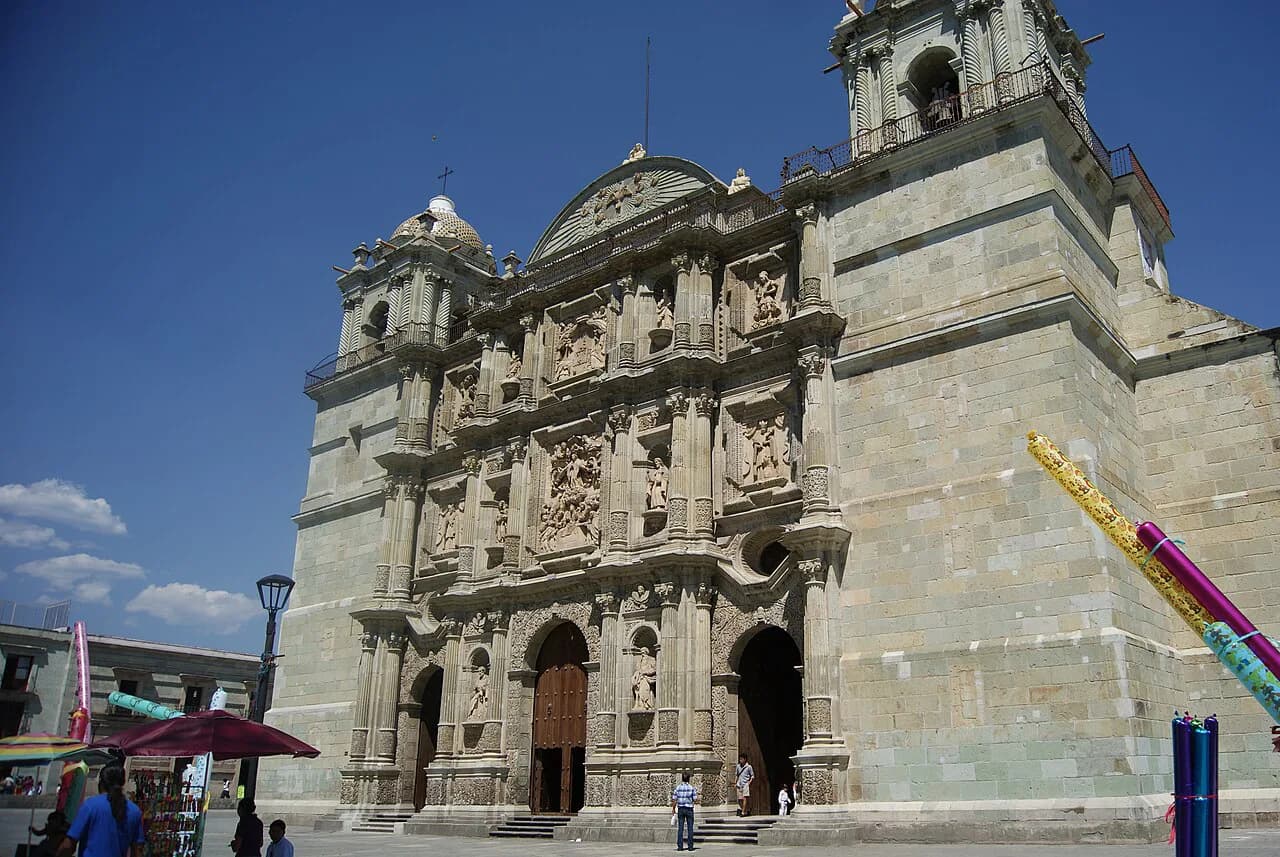
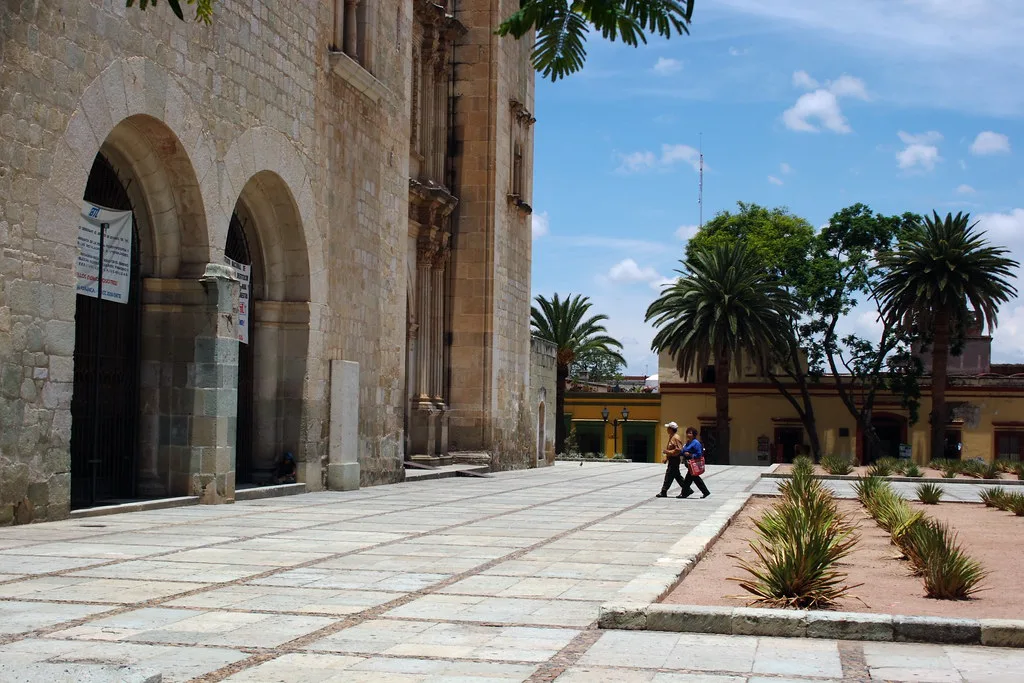
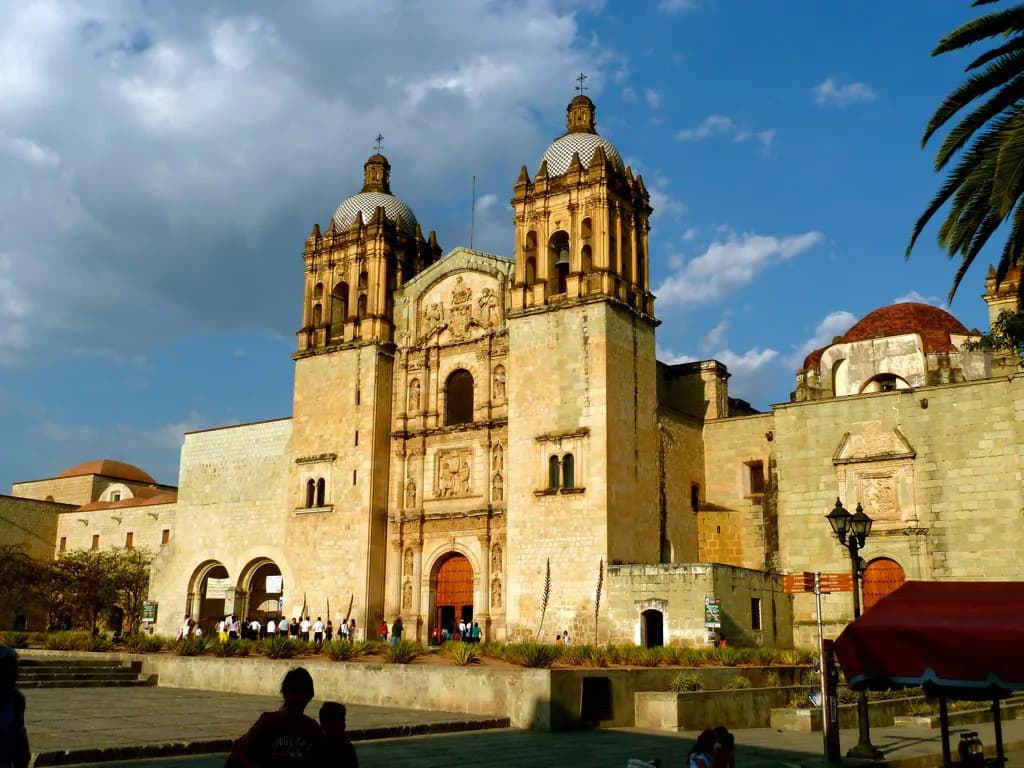
From the square, walk the colonial streets toward Templo de Santo Domingo de Guzmán, the church that most visitors use as the anchor for a center walk. Pair it with the blocks around it rather than treating it as a quick photo stop, since the surrounding streets hold the cafés and galleries that fill a morning. The historic center is compact enough to cover on foot in a day at an easy pace.
Jalatlaco, east of the historic core, is worth a detour for its murals and café cluster, and it works as a walkable extension of a center day rather than a separate trip. Travelers who base themselves there describe a 20-minute walk into the city center with colorful streets and plenty of places to eat along the way. For how this area sits alongside the rest of the city, the guide to Oaxaca neighborhoods breaks down the districts visitors actually walk.
Templo de Santo Domingo and the Jardín Etnobotánico
Templo de Santo Domingo de Guzmán and the Jardín Etnobotánico de Oaxaca sit side by side, and together they make the strongest single stop in the center. The botanical garden is the kind of place that rewards a slow loop rather than a march through, so budget an unhurried block of time for it and check entry arrangements when you arrive. These two stops are the reason a center day should not be packed with anything else.
Build the day around a late-morning garden visit and a church visit before lunch, then let the afternoon loosen up around the cafés nearby. That sequencing keeps you off your feet during the hottest stretch and leaves room for the market halls later. If you only have one day in the city, this is the pairing to protect.
Markets and food: Benito Juárez, 20 de Noviembre and the Pasillo de Humo
Two market halls carry most of the city's food reputation: Mercado Benito Juárez for produce, sweets and goods to browse, and Mercado 20 de Noviembre for a sit-down meal. Inside 20 de Noviembre, head for the Pasillo de Humo, the smoke corridor of grill stalls where the cooking happens in front of you. Eat there once at minimum, and go hungry.
Breakfast can go cheaper and earlier at Mercado La Merced, where a fonda inside the hall serves full plates and hot chocolate to start the day. One traveler's group of four ate breakfast there with smoothies and hot chocolate alongside their mains for under $20 USD total, so a market breakfast is a reasonable way to keep costs down. For a full walk-through of the halls and what each one is best for, see the guide to Oaxaca Markets.
Mole, hot chocolate and café stops
Oaxaca is known as the land of seven moles, and sampling them is the point of eating here rather than a side activity. Order mole in a market fonda or a sit-down restaurant and compare versions across meals instead of trying to find a single definitive plate. The city's food reputation rests on this dish plus chocolate, so build at least one lunch around it.
Hot chocolate is the other thing to order deliberately, ideally somewhere you can sit rather than walking with a cup. Café culture in the center makes it easy to plan an afternoon around a table, a drink and a book, which is a legitimate way to spend two hours in Oaxaca. Pair it with a plate of chapulines, the toasted crickets sold as a snack, if you want the full local tasting.
If mezcal is on your list, treat it as a tasting rather than a night out: guided sessions walk you through several pours and often let you mix your own cocktail, and specialty bars around the center pour samples. English-language tastings exist, and the guides typically hand out restaurant recommendations afterward. Keep it in the afternoon or early evening so it does not eat a sightseeing day.
Free and low-cost things to do
Street art is the best free activity in the city, and the strongest concentration sits just east of the main historic district in an area packed with murals, cafés and restaurants. Walk it yourself and you will hit pieces within a few blocks, or join a four-hour street art cycling tour that covers the best of it with a local guide. A bike tour costs money; the murals do not.
A walking tour runs daily in English and Spanish at no charge, which makes it the cheapest way to get oriented and meet other travelers on your first morning. Tip accordingly and use the walk to mark the streets you want to return to, especially the market halls and the church. Between the tour and the murals, your first day can cost almost nothing beyond food.
Shopping is its own low-cost activity in Oaxaca: browse rather than buy and you can spend a pleasant afternoon comparing textiles, pottery and sweets across the market halls and center shops. Keep cash on hand for small purchases. The guide to shopping in Oaxaca covers where the goods concentrate.
Monte Albán as a half-day trip
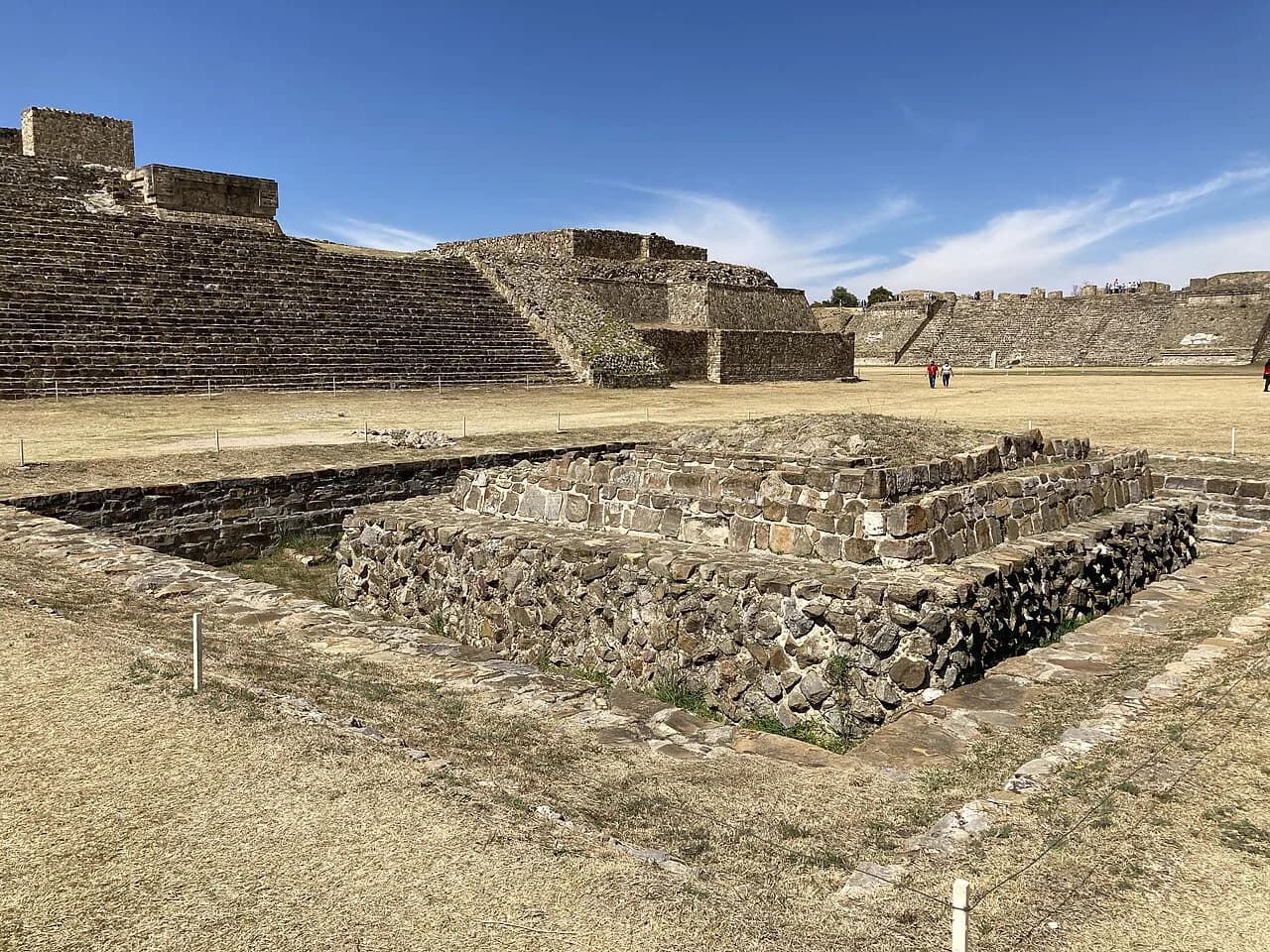
Monte Albán is a UNESCO World Heritage Site and the most popular day trip from the city, usually done as a half-day outing that leaves your afternoon free. Tour operators sell half-day tours, and you can also arrange your own transport if you prefer to move at your own pace. Either way, plan on a half day rather than a quick stop, because the site is the reason to go.
Fit Monte Albán into a city day by taking the morning slot and returning for a late lunch in the center, which keeps the evening open for a market meal. That pattern works better than stacking two ruins in one day, since the second site ends up rushed. Compare this outing with the coastal excursions sold under other cities, such as the things to do in Acapulco, and you will see how different the pacing is.
Hierve el Agua: petrified waterfalls and springs
Hierve el Agua is the other headline day trip: petrified waterfalls with natural springs you can swim in, which makes it a wet stop rather than a walk-and-look ruin. Pack accordingly with a swimsuit and a towel, and treat the return trip as part of the outing rather than an afterthought. Travelers can reach it by driving or by booking a shuttle or tour.
Combining Hierve el Agua and Monte Albán in one trip is possible but makes for a long day, and pairing either with a second ruin stretches it further. If you have only three days in the city, choose one and give it a full morning. With four or five days, you can do both on separate days and still keep one day purely for the center.
Mitla and the Tule Tree on an eastern loop
Mitla and the Tule Tree sit east of the city and pair naturally into one loop, with the tree as a short stop and Mitla as the substantive ruin visit. Both appear on the standard list of things visitors do from Oaxaca City, and both can be strung together in a single outing. If you have already given Monte Albán a morning, this eastern day covers different ground.
Time the loop so the ruin gets the cooler part of the day and the tree stop lands on the way back, which keeps driving simple. Without a car, book a tour or a driver rather than trying to piece together local transport on the day. The trade-off is flexibility: a tour sets the pace, while a private driver lets you linger at Mitla.
Using Oaxaca as a base: what needs a full day
Sort the day trips by how much of a day they consume. Monte Albán works as a half-day, Hierve el Agua takes a long morning with a swim and the drive, and Mitla plus the Tule Tree fills a loop. Cooking classes and guided tastings take a block of hours in town and can be slotted into an afternoon instead.
A four to five day stay lets you combine the historic center, the market halls, a couple of day trips and one long food afternoon without feeling rushed, which is the pattern most visitors land on. Two to three days means choosing Santo Domingo, the markets, Monte Albán and one meal of mole, and skipping the rest. Decide which of those two shapes you are booking before you reserve anything.
Book popular restaurants well ahead if you have a specific table in mind, because Oaxaca draws travelers for its food and the best-known places fill up. One restaurant recommended by recent visitors needs reservations three to four weeks out. Reserve before you finalize your day-trip days, not after.
Getting around: walking, taxis, DiDi and the airport
The historic center is a walking neighborhood, and you should plan to cover the Zócalo, Santo Domingo, the markets and the garden on foot without hailing a single ride. Taxis are easy to find for longer hops, but agree on the fare before you get in. DiDi works in the city where Uber does not, and it lets you pay by card in the app or in cash per ride, which removes the haggling step.
At Xoxocotlán International Airport (OAX), a taxi booth outside baggage sells fixed-price rides by zone, and one traveler's account puts a car to the city center at about $25 with a ride of under 20 minutes. Treat that as a reference point and confirm the current zone rate at the booth. The airport itself is small, so passport control and baggage move quickly.
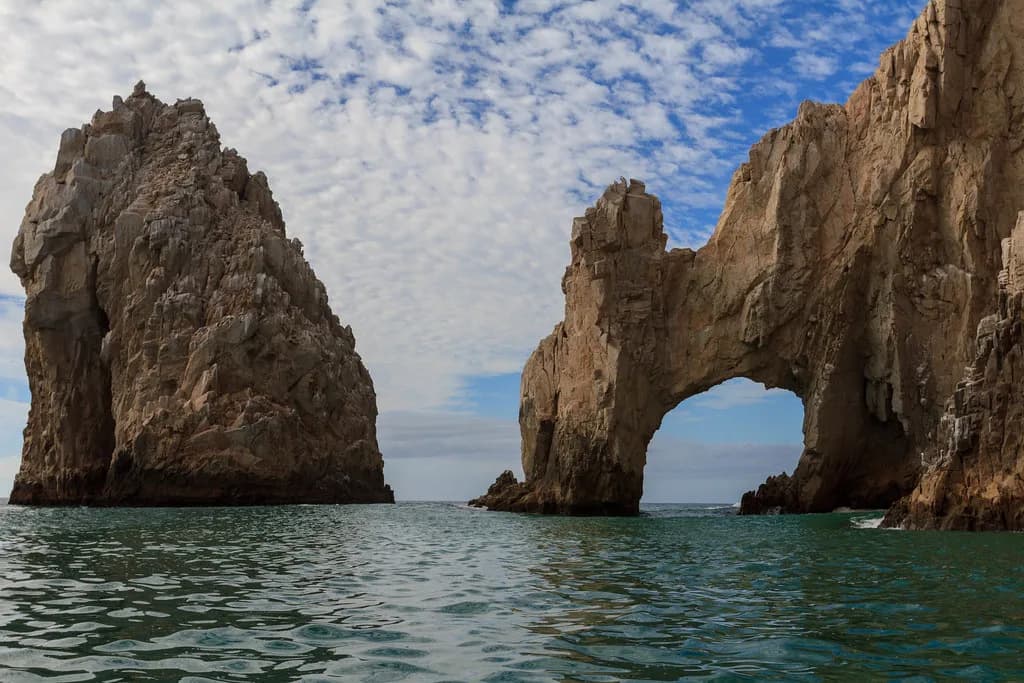
English is less widely spoken in Oaxaca than in bigger resort cities, so save your address on your phone and keep a translation app handy for drivers and servers. Most international flights connect through Mexico City, which is worth knowing when you plan arrival times. If you are comparing this city with a coastal stop on the same trip, the things to do in Cabo San Lucas and its Divorce Beach sit at the opposite end of the country in both distance and mood.
How many days Oaxaca needs
Three days is enough to see the center properly: one day for the Zócalo, Santo Domingo and the garden, one for the market halls and a food afternoon, and one for Monte Albán. That plan leaves Hierve el Agua and Mitla for a return trip. Keep the third day flexible in case you want a slow morning instead.
Four to five days is the better fit if the ruins and springs are why you came, since it lets you spread Monte Albán, Hierve el Agua and the eastern loop across separate days. It also leaves room for a cooking class or a tasting without cutting a sightseeing day. Most travelers who stay longer than that are working or slowing down rather than sightseeing.
Oaxaca on a longer Mexico trip
Puerto Escondido is about a three-hour drive from Oaxaca over the mountains, and the toll road finished in 2024 made that run easier than it used to be. You can drive it yourself or book a private or shared shuttle. That makes Oaxaca a natural split stay: city and ruins first, then the coast.
If you are building a multi-city itinerary, treat Oaxaca as the culture-and-food stop and put beach time on the coast rather than trying to do both in the city. The museums and markets reward a slower pace than a resort schedule allows. Book the shuttle or rental car before you arrive so the transfer day does not eat a sightseeing morning.
Which Oaxaca plan fits your trip?
Book the shape of the trip first: three days for the center, the markets and Monte Albán, or four to five days once you add Hierve el Agua and the Mitla loop. Then slot in the free walking tour on day one and reserve any restaurant you care about weeks ahead. Everything else in the center you can walk to.
Carry cash for market stalls and small purchases, use DiDi or agree on a taxi fare before you ride, and swim gear belongs in the bag if Hierve el Agua is on the list. Confirm the airport zone rate at the booth and the garden's entry arrangements on arrival, since these are the details most likely to have changed since your research.
Explore more Oaxaca guides
- Oaxaca Map
- Oaxaca Markets
- Oaxaca Neighborhoods
- Shopping in Oaxaca
Frequently Asked Questions
What is Oaxaca famous for?
Oaxaca is known for its seven moles, hot chocolate, mezcal, the market halls such as Mercado Benito Juárez and Mercado 20 de Noviembre, Templo de Santo Domingo de Guzmán with the adjoining botanical garden, and the archaeological sites around the city, chief among them Monte Albán.
Is 3 days in Oaxaca enough?
Three days covers the historic center, the Principal market halls and one day trip such as Monte Albán. Add two more days if you want Hierve el Agua and the Mitla and Tule Tree loop without squeezing them into the same outing.
Can you visit Hierve el Agua and Monte Albán in one trip?
Yes, but it makes for a long day and rushes both sites. The better pattern is one site per day: Monte Albán as a morning half-day outing, and Hierve el Agua on a separate day with swim gear, since the springs are part of the visit.
Sources
Notes for your next Mexico trip
Optional updates when we add or correct a town guide.
You might also like
Continue reading
More guides you'll find useful