Things to Do in Mérida, Mexico: Center Sights, Ruins and Day Trips
Plan Mérida by area: Plaza Grande sights, Paseo de Montejo museums, markets, and day trips to Uxmal, Chichén Itzá, Celestún and the cenotes, with times.
On this page
Mérida's draw is a compact, walkable historic center built around Plaza Grande, backed by Mayan ruins, cenotes and Gulf-coast wildlife within day-trip range. This guide groups the city by walking area first, then sets out the day trips and the transport trade-offs behind them, so you can build a plan without a car and decide where a tour earns its place.
The center is small enough to cover on foot in two focused days: Plaza Grande and the streets around it, then Paseo de Montejo up to Monumento a la Patria. Ruins and cenotes take full days, so the real planning question is how many day trips to fit around city time.
Plaza Grande and the Historic Center
Plaza Grande is the main square and the natural starting point, filled with shops, restaurants and a large central park. The buildings around it pack a lot into a short walk: the Catedral de San Ildefonso, also called the Cathedral of Mérida, the Olimpo Cultural Center with free art exhibits, and the green Pasaje de la Revolución beside the cathedral. The Palacio de Gobierno courtyard holds historical murals and is open to the public Monday through Friday from 9:00 AM to 4:00 PM.
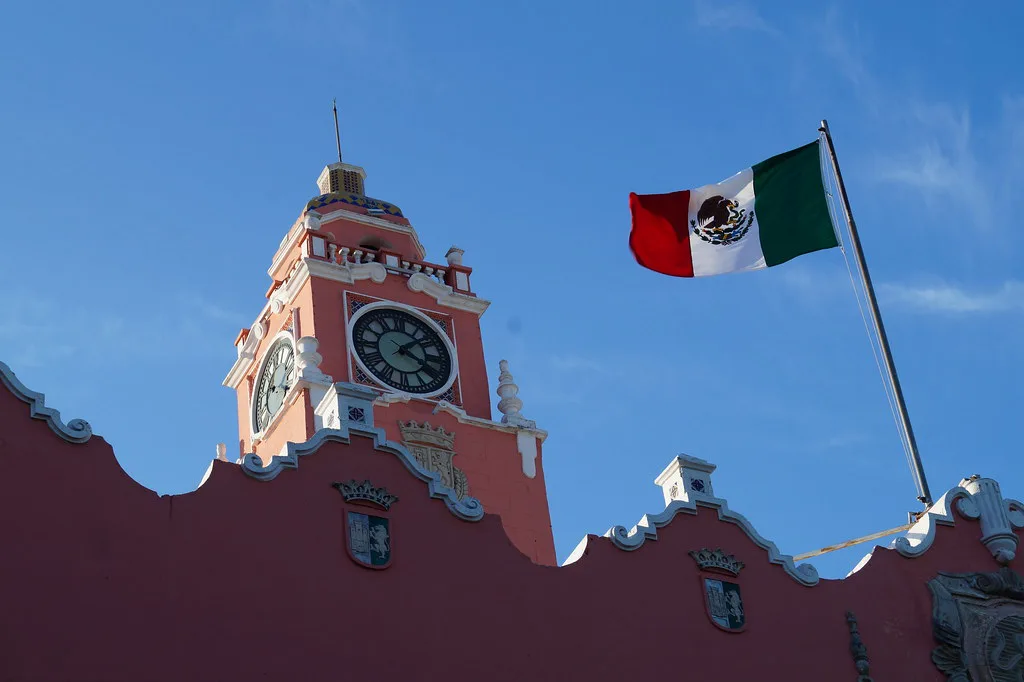
Museo Casa Montejo, a 16th-century house museum covering the Montejo family, has free entry and is open Tuesday through Saturday from 10:00 AM to 6:00 PM and Sunday from 10:00 AM to 2:00 PM. The pink Edificio Municipal de Mérida with its clock tower is on the same square, so you can see both without crossing the center. Use the Merida map to fix the square's layout before you walk it.
Paseo de Montejo on Foot
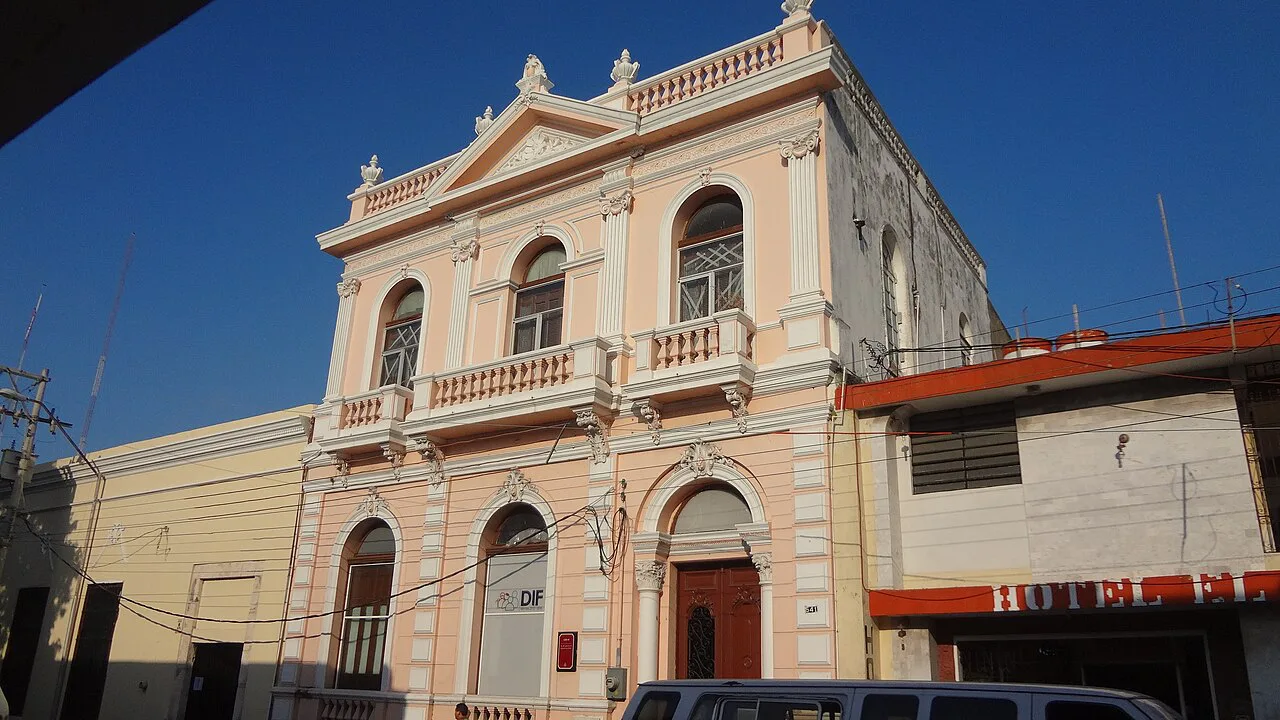
Paseo de Montejo is the wide avenue of colonial mansions, museums and shade trees that runs from the center toward Monumento a la Patria. Walk it in the afternoon, when the trees give cover, and stop at Casas Gemelas, the Twin Houses tied to the Cámara family, open Thursday to Sunday 9 AM to 5 PM with an entrance fee of 250 pesos for foreigners in the source's listing. The Museo Regional de Antropología on the same avenue is open Tuesday to Sunday 8:00 AM to 5:00 PM with a 95-peso fee, and its mansion exterior is worth a look even without a ticket.
Quinta Montes Molina, a restored 1900s mansion, opens Sunday to Wednesday 10:00 AM to 6:00 PM and Thursday to Saturday 10:00 AM to 8:00 PM, with adult entry at 120 pesos and a 45-minute guided tour for 180 pesos in that same listing. Because the house also hosts events and photography shoots, check its schedule before you build a visit around it. The walk ends at Monumento a la Patria, the carved stone sculpture on the roundabout at the avenue's far end.
Markets and Local Food
Bazar García Rejón is the city-center market to start with, a large bazaar trading since 1862 in ceramics, folkloric clothing and souvenirs, open 8 AM to 9 PM every day. It is also a food stop: cochinita pibil, the Yucatán slow-roasted pork marinated with spices and lime, is the dish to order. For a broader look at what each hall sells, see the guide to Mérida Markets.
A market tour paired with a cooking class turns the same visit into a structured half day: you shop for produce with a guide, then cook it. That suits travelers who want the market explained rather than just walked. If you would rather browse independently and compare craft stalls, the shopping in Merida guide covers where the ceramics and textiles cluster.
Museums Worth the Time
The Great Museum of the Mayan World, known in Spanish as the Gran Museo del Mundo Maya, is the big collection of Mayan history and art and deserves a half day on its own. Pair it with the smaller center museums on Plaza Grande for context before you head to ruins. The Olimpo Cultural Center and Museo Casa Montejo cost nothing to enter, which makes them easy add-ons between meals.
Walking the Colorful Streets
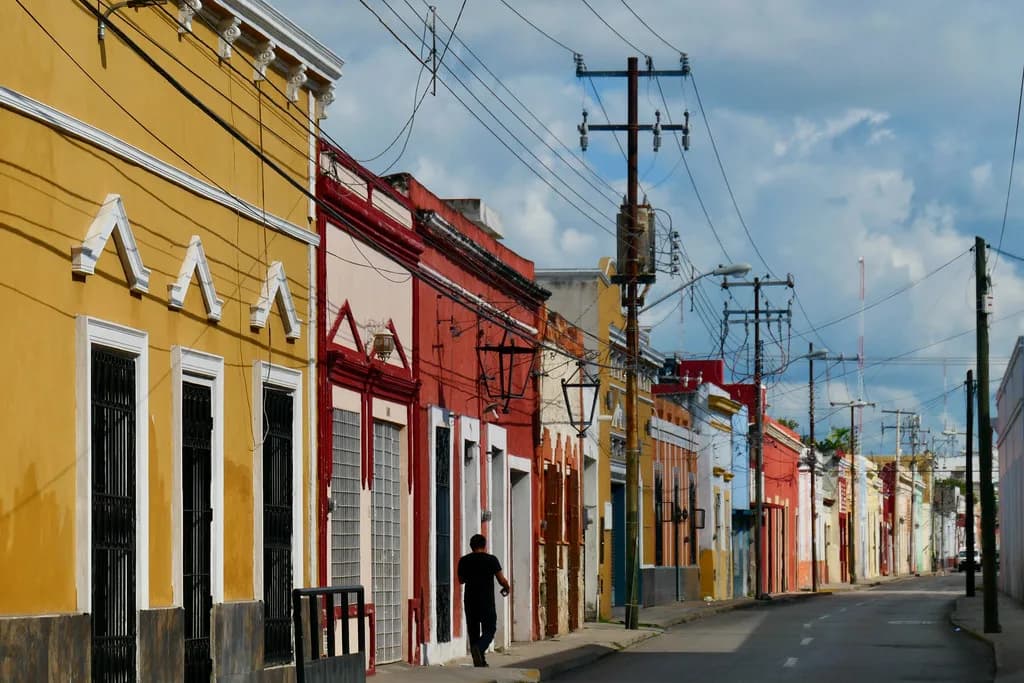
Mérida's painted facades are the reason to walk rather than ride between sights. The route from Plaza Grande up to Monumento a la Patria passes Casa Azul Monumento Histórico, the orange La Casa Morisca and the yellow arches of Arco de Dragones and Arco del Puente. Calle 64 is billed as the most colorful street, and Calle 60 toward Parque de Santa Ana leads past more bright buildings.
The churches are part of the same walk: Iglesia De La Primera Orden, the red church, and the yellow Sanctuary of the Blessed are two of the standouts. Give the center-to-avenue stroll a half day with stops, and use the Mérida Map for Visitors to keep the side streets straight.
Uxmal as a Day Trip
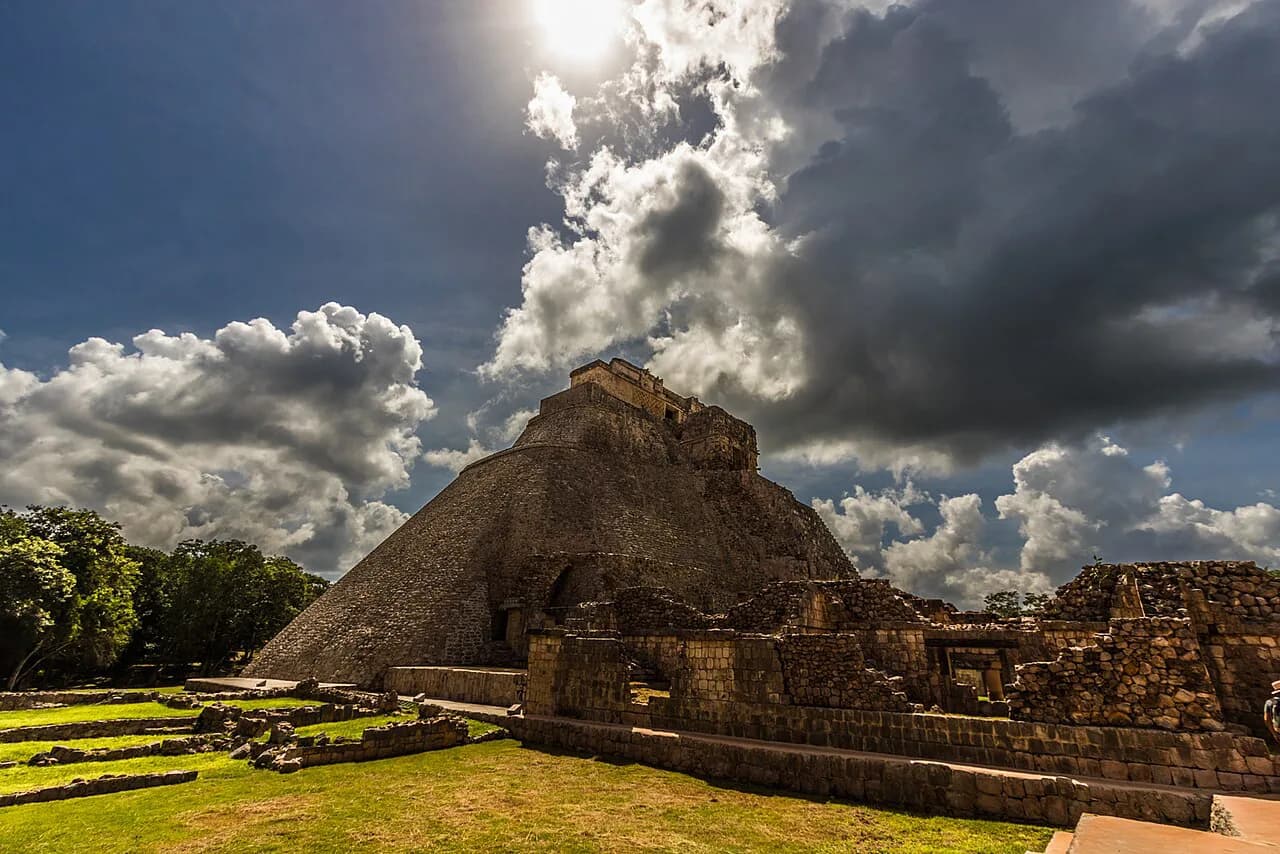
Uxmal is the ruins day trip that fits most comfortably around city time, reachable by bus, taxi, car or guided tour from Mérida. Going on your own puts the logistics on you; a guided tour handles transport and interpretation, which helps on a first visit. Whichever you choose, block out a full day rather than squeezing it beside a museum morning.
Tours from Mérida also combine Uxmal with Kabah and a cenote or the chocolate museum, so you see more than one site in a day. Check what the listed inclusions actually cover before booking, since a stop at a cenote changes the pace and the return time.
Chichén Itzá from Mérida
Chichén Itzá is the other big ruins day, and the from-Mérida tours typically bundle it with a cenote, Izamal and a meal. That combination covers a lot of ground in one booking, but it also means less time at the ruins themselves. If you have only one day for archaeology, choose between Chichén Itzá and Uxmal on how much you want the bundled stops versus a single focused site.
Cenotes: Homún and Santa Bárbara
Cenote days from Mérida come in two shapes: a four-cenote tour in Homún, or the Santa Bárbara cenotes with bikes and lunch. Both take the transport and entry handling out of your hands, which matters when you do not have a car. Swimming on your own is possible but puts you back on bus or taxi logistics for each stop.
Booking platforms list these as full-day excursions with free cancellation options, so compare inclusions such as lunch, bike use and pickup before you commit. Confirm the cenote fees and what the tour covers directly with the operator.
Celestún and the Flamingos
Celestún, a biosphere reserve on the Gulf coast, is the day trip for wildlife: a boat tour through the mangroves to see flamingos, usually paired with beach time. The boat tour and beach day from Mérida is sold as a single excursion, which keeps the driving and the launch point simple. Bring sun protection, since the boat has little shade.
Izamal, Las Coloradas and Valladolid
With more than a few days, add Izamal, the yellow town, or Las Coloradas and Río Lagartos for the pink lagoons and more birdlife; both appear as day tours from Mérida. Valladolid works better as a stop on the way to or from Chichén Itzá than as a round trip from the city. Each of these eats a full day, so fit them only after the center and one ruins trip are set.
Walking Tours and Tipping
Free walking tours run daily, typically one at 10 AM and one at 5 PM, covering Plaza Grande and the surrounding history on foot. They carry no upfront cost, but guides work on tips alone, so budget a gratuity as part of the tour. Reserve a spot online if you want a specific slot.
Getting Around on Foot
Most of the center is walkable, so group Plaza Grande and its surrounding buildings in one morning and Paseo de Montejo with Monumento a la Patria in one afternoon. Save taxis or ride-hailing for the museum and the ruins, where distances stretch beyond a comfortable walk. A paper or phone map helps because street numbers, not names, organize the grid.
How Many Days Mérida Needs
Two days covers the city: one for Plaza Grande and the markets, one for Paseo de Montejo and the museums, with the colorful streets threaded between them. Four days adds two day trips, most naturally Uxmal and either Chichén Itzá or a cenote tour. Celestún and Las Coloradas fit only if you stretch the stay further. If you are weighing a coastal stop against another inland city, our things to do in Acapulco guide sets out the same kind of city-days-versus-day-trips trade-off.
Which Day Trip to Book First
Book Uxmal first if you want one focused ruins day with flexible transport, or Chichén Itzá if you prefer a single tour that folds in a cenote, Izamal and a meal. Add a cenote tour or Celestún only after the city days are set. Confirm prices, pickup times and inclusions with the operator before you pay.
Explore more Merida guides
- Is Mérida Worth Visiting? What the City Offers and What It Doesn't
- Mérida Map for Visitors
- Mérida Markets
- Shopping in Mérida
Frequently Asked Questions
Is Mérida worth visiting?
Yes, if you want a walkable colonial center with markets, museums and mansions, plus Mayan ruins and cenotes within day-trip range. It suits travelers who prefer a city base over a beach resort.
Do I need a car in Mérida?
No for the center, which you can cover on foot around Plaza Grande and Paseo de Montejo. For ruins and cenotes, use a bus, taxi, tour or rental car depending on the site.
How far in advance should I book day tours?
Book a few days ahead for popular ruins and cenote tours, especially in busy periods, and check the cancellation terms. Confirm pickup location and start time with the operator.
Sources
Notes for your next Mexico trip
Optional updates when we add or correct a town guide.
You might also like
Continue reading
More guides you'll find useful