Things to Do in Mazatlán: Historic Center, Malecón and Beyond
Plan your time in Mazatlán with the malecón, Centro Histórico, Plazuela Machado, the cathedral and El Faro, plus notes on heat and getting between them.
On this page
Spend your first morning in the Centro Histórico and your afternoon on the malecón, and you will have seen the two things that define a Mazatlán visit. The historic center holds Plazuela Machado, the cathedral and Calle Ángel Flores, while the malecón is a 21-kilometre (13-mile) oceanfront walkway that links downtown with the resort area known as the Golden Zone. This guide organizes the city by area and by theme so you can build a walking route instead of a checklist, including the lighthouse climb, the museums worth an hour, and the seafood stops worth planning around.
One planning fact shapes everything else: Mazatlán's sights are spread out, and the distance between the old town and the newer tourist strip is real. The Golden Zone sits about 4 miles (6 km) north of the historic downtown, and the malecón runs the whole way between them. Decide early whether you are staying near the plazas or near the resort beaches, because that choice determines whether your days start with a walk or with a taxi ride.
How the city is laid out
Mazatlán runs roughly north to south along the Pacific, with three pieces that matter to a visitor. The Centro Histórico, also called Old Mazatlán, is the restored 19th-century core of pastel buildings, plazas and cafés. The malecón is the oceanfront backbone connecting that core to the Golden Zone, the modern resort and beach district to the north.
Treat the layout as a line rather than a cluster. Almost everything in the historic center is walkable within a few blocks of Plazuela Machado, but anything in the Golden Zone needs a vehicle, and the malecón itself is too long to cover end to end on foot in one outing. Pick a stretch of the boardwalk near where you are staying or eating and walk that segment, then ride the rest.
Carry pesos in small bills for pulmonías, pick-up taxis and market stalls. The waterfront and the plazas are where you will spend most of your cash, and card acceptance varies by vendor, so a few hundred pesos in coins and small notes removes friction from a day of short rides.
How much time you need and how to split a day
A full day covers the historic center on foot in the morning and a section of the malecón in the afternoon. Start with the cathedral and Calle Ángel Flores while the light is soft and the plazas are quiet, eat lunch around Plazuela Machado, then head west to the waterfront. Two days let you add a museum such as the Whale Museum or Observatorio 1873 and still climb El Faro without rushing.
If you arrive by cruise ship, your time is fixed by the ship's schedule, so skip the Golden Zone entirely and stay within the historic center and the nearest stretch of boardwalk. The walk from the port into town is short enough that you lose nothing by leaving the taxi for later. Build the day around one sit-down meal and one landmark, and let the rest be wandering.
Walk the Centro Histórico and follow the blue line
From the cruise port, blue tiles embedded in the sidewalk mark a route into the Centro Histórico, and following them takes you into the historic district without needing a taxi. The line is the single most useful piece of navigation in the city for a first-time visitor arriving by ship, because it turns an unfamiliar port exit into a signed walking route. Other colored lines branch off to different parts of town if you want to extend the walk.
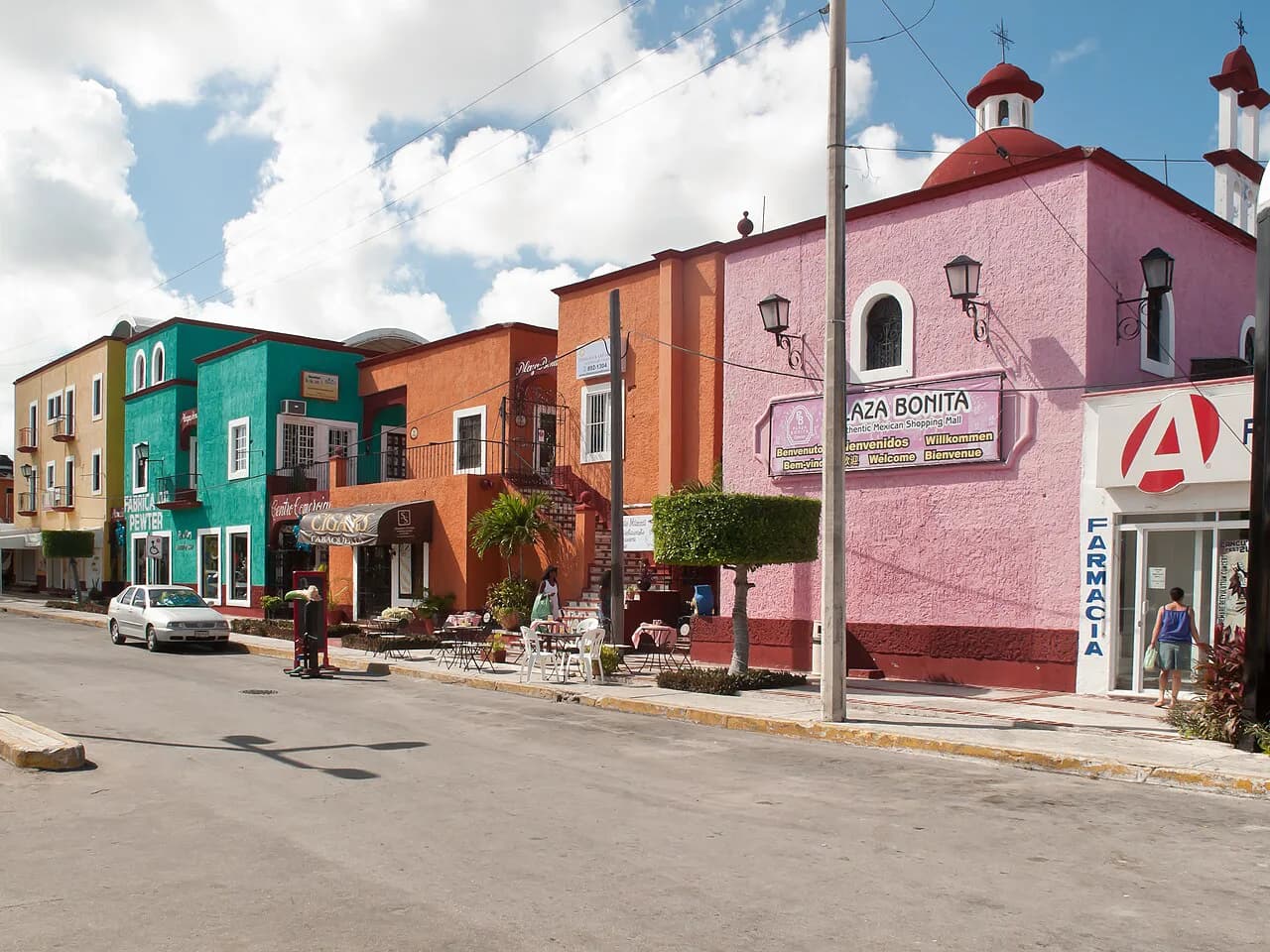
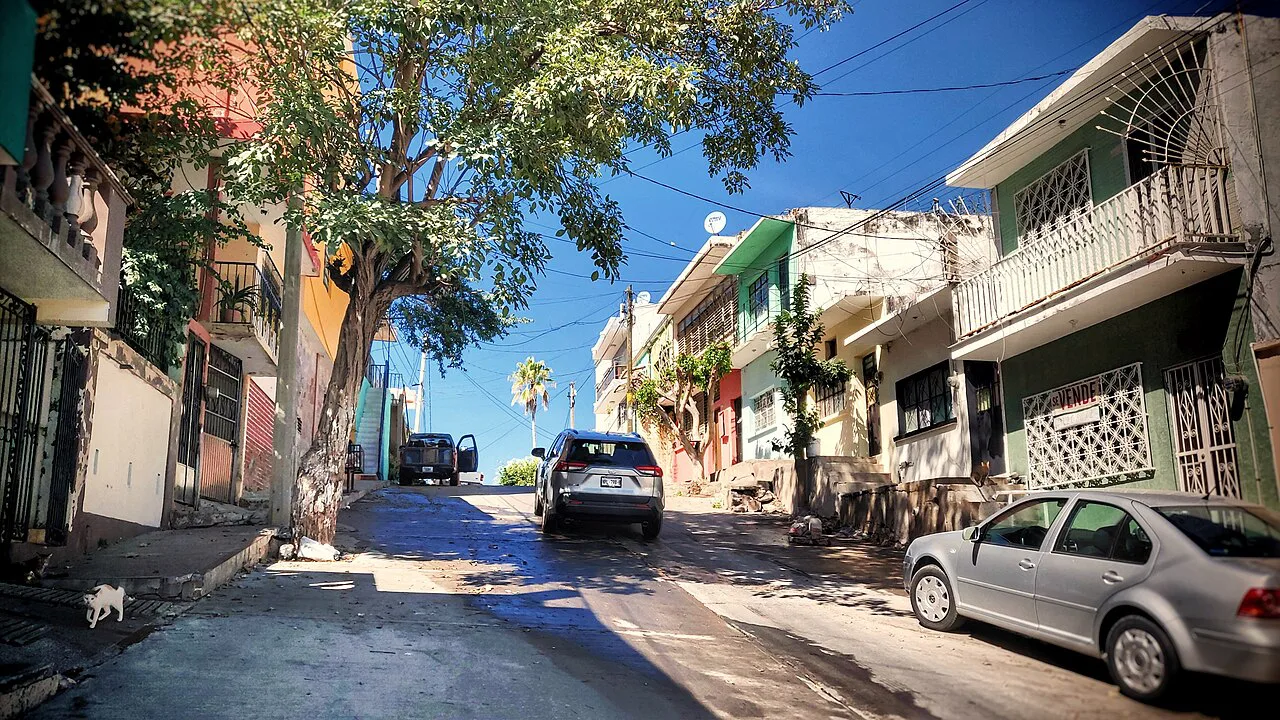
Once inside the district, slow down. The appeal here is the streets themselves: restored 19th-century buildings in rose, ochre and seafoam green, leafy plazas, and cafés that spill onto the sidewalk. Walk without a target for twenty minutes between sights, and you will pass more of the city's character than any single attraction delivers.
Plazuela Machado and the restaurants around it
Plazuela Machado is the square at the heart of the old town, framed by wrought-iron balconies and leafy trees, and ringed with restaurants. It works as a daytime photo stop and as a meal stop, and the surrounding blocks hold the Ángela Peralta Theater just around the corner. Sit at one of the tables facing the square rather than inside, and the plaza does most of the entertaining.
For a specific order, El Cielo on the square is known for its shrimp tacos, and the green sauce is the part people remember. Shrimp is the seafood to prioritize across the city, whether in a taco, a ceviche or a plate of aguachile. If you want a broader list of tables, the best restaurants in Mazatlan cluster around this square and the streets feeding into it.
The cathedral and Calle Ángel Flores
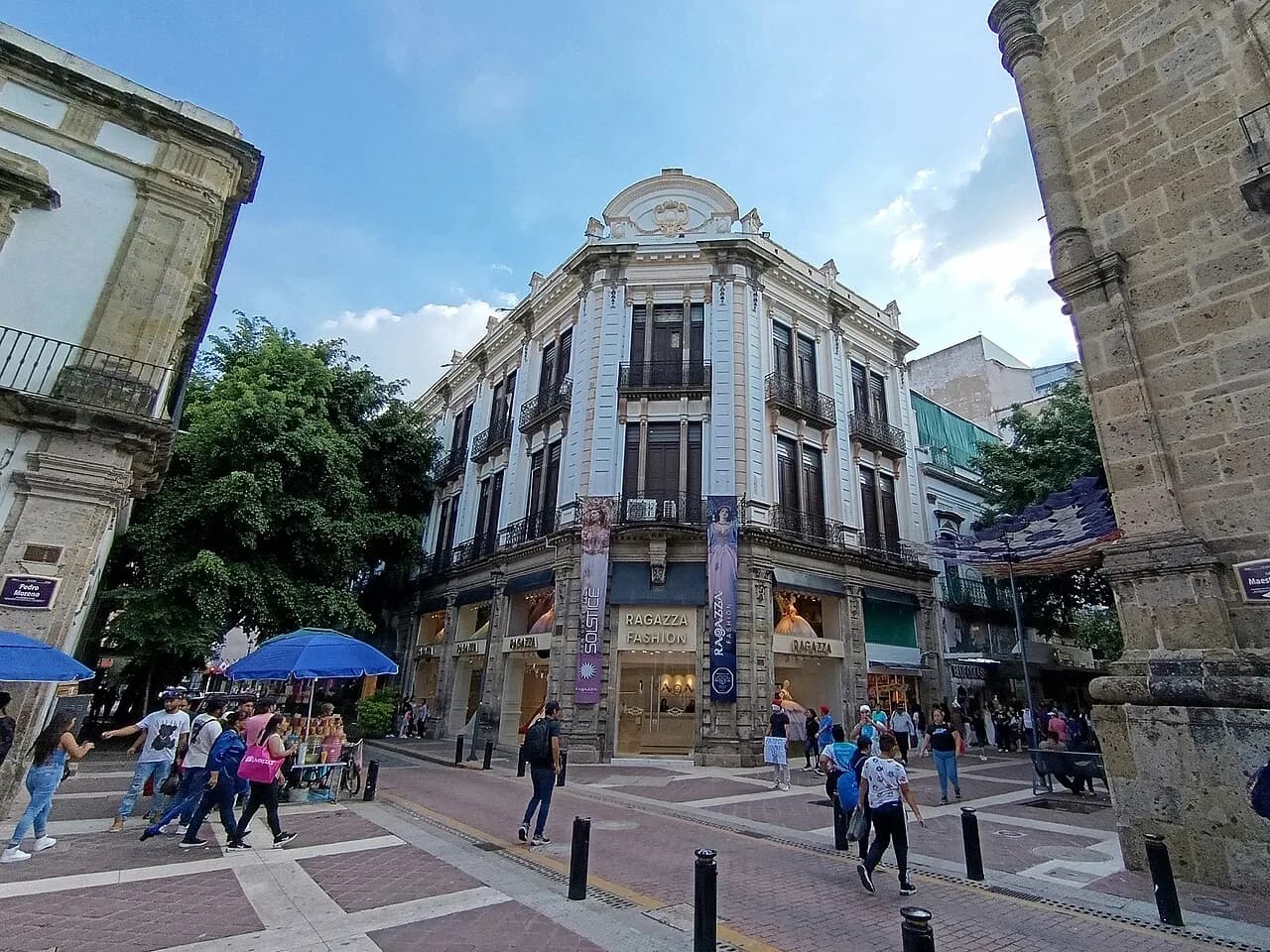
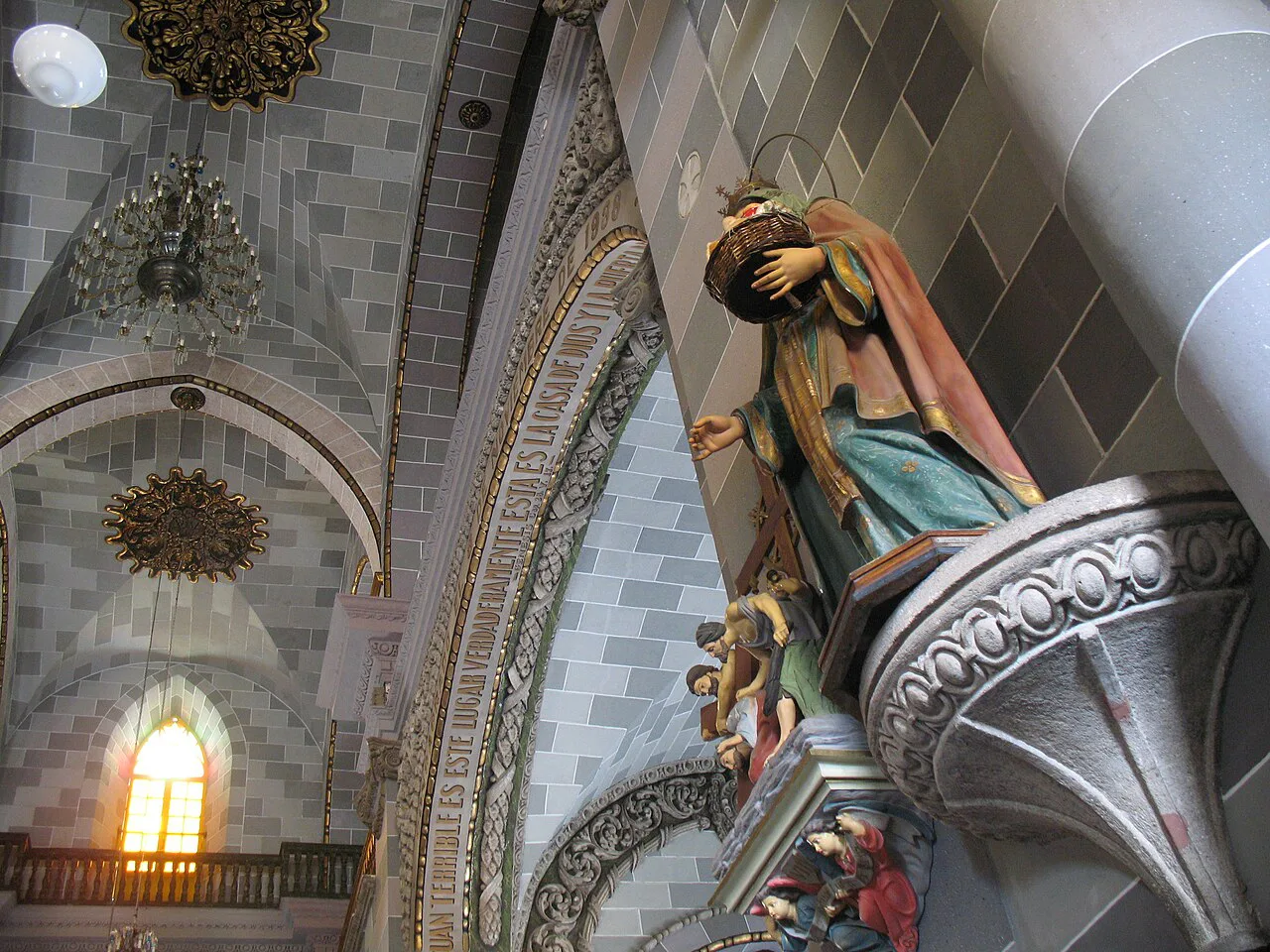
The Basilica Cathedral of the Immaculate Conception, usually called Mazatlán Cathedral, sits in the heart of the historic district and is worth seeing inside and out. Its architecture blends three different styles, and the building is roughly two centuries old. Step in for a few minutes, then walk the surrounding blocks rather than treating the church as a drive-by photo.
Between the cathedral and the water, Calle Ángel Flores is lined with brightly painted houses, potted plants and old facades, and it makes a natural walking link from the church toward the malecón. Walk it in the direction of the ocean so you end at the waterfront with the light behind you. It is a short street, so pair it with the cathedral rather than making it a separate outing.
The malecón on foot or by bike
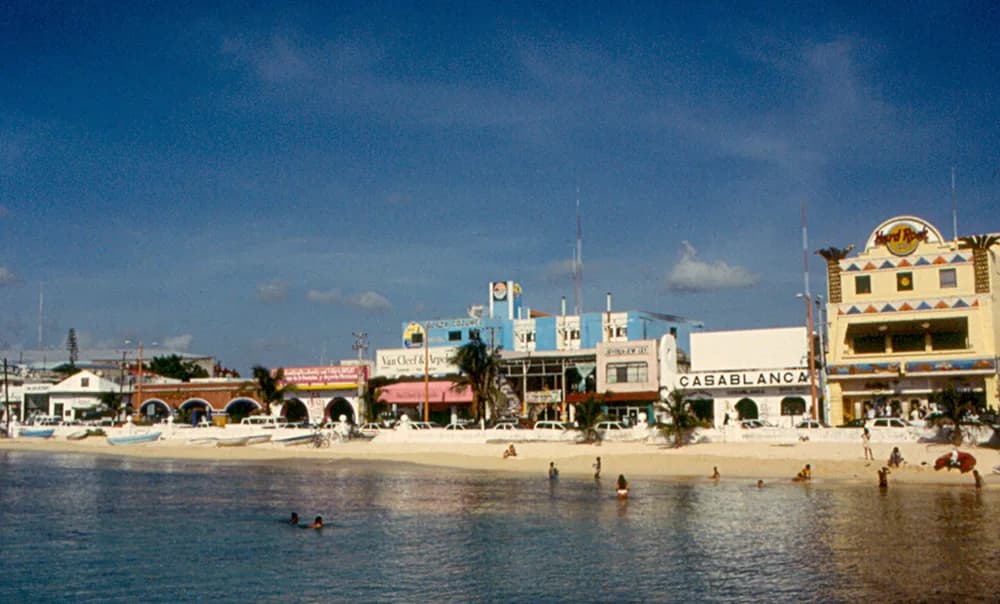
The malecón is 13 miles of oceanfront promenade, and it is the city's main stage for walking, biking, shopping and watching the water. Bronze statues line the route, and the beach sits directly below the walkway in stretches. The four Beatles statues are one landmark to watch for as you move along the waterfront.
One practical heads-up about the sand: it is notably coarse along these beaches, the kind that sticks to skin and towels rather than brushing off. That does not ruin a beach stop, but plan for a towel and a rinse, and do not expect the fine powdery sand you may associate with Caribbean shores. For many visitors the boardwalk itself, not the sand, is the reason to come.
Time a malecón walk for late afternoon so you end facing the water as the light drops. A Mazatlan sunset over the Pacific is the natural close to a day split between the old town and the boardwalk, and it costs nothing but the walk.
Ride a pulmonía or a pick-up taxi
Mazatlán has two open-air ride options that are part transport and part attraction. A pulmonía is the city's distinctive open-sided vehicle, and a pick-up taxi is exactly what it sounds like: benches and a canopy fitted into the bed of a truck. Both are a lively way to cover the long stretch of malecón that you would not want to walk twice.
The trade-off is exposure. The open sides give you the view and the breeze, but you feel the sun and the traffic directly, so a hat and water matter on a hot afternoon. Keep small bills ready for the ride.
El Faro lighthouse and the Farolesa zipline
El Faro is the lighthouse above the city, reached by a long, exposed slope rather than a short stair. The climb is the price of the view, and the view from the top is the reward. Pair it with the Farolesa zipline if you want an adrenaline option on the same hillside.
Book the climb for early morning, not midday. A hot day turns an enjoyable walk into a grind, and that is especially true with children in tow. If you are visiting in a warm stretch, treat the lighthouse as a morning appointment and keep the afternoon for the shaded plazas and the malecón.
Museums: Observatorio 1873, MUNBA and Gran Acuario
Three indoor options fill the middle of a hot day. Observatorio 1873 is a hilltop observatory with views over the city, the Whale Museum (MUNBA) covers the marine life of the Pacific coast, and the Gran Acuario Mazatlán is the city's large aquarium. None of them requires a full day, so pick one or two and keep the rest of the afternoon free.
Check the current days and hours directly with each venue before you build a day around it, since they are not fixed citywide and may shift with the season. Confirm ticket costs in pesos at the entrance or on the venue's own site rather than relying on a secondary listing.
Where to eat: shrimp, tacos and birria
Seafood is the reason to plan meals rather than grab them. Shrimp tacos at El Cielo on Plazuela Machado are the specific order to know, and the broader seafood scene runs from ceviche to grilled fish. Build at least one lunch around a sit-down mariscos meal rather than a snack, and you will get the city's strongest food experience.
Beyond seafood, the everyday eating is birria and the evening cenaduría, a small kitchen serving tacos, tostadas and pozole in the evening. These are inexpensive, fast and best found on foot near the plazas rather than in the resort zone. For a full picture of what to order and where, the Mazatlan food guide covers the categories in more detail.
Day trips and add-ons from Mazatlán
Stone Island is the closest easy escape, a short boat ride across the harbor from the city side, and it appears among the budget-friendly picks for the area. It suits a half-day rather than a full one, so it pairs well with an evening back on the malecón. Confirm the current boat departure point and return times at the dock before you go.
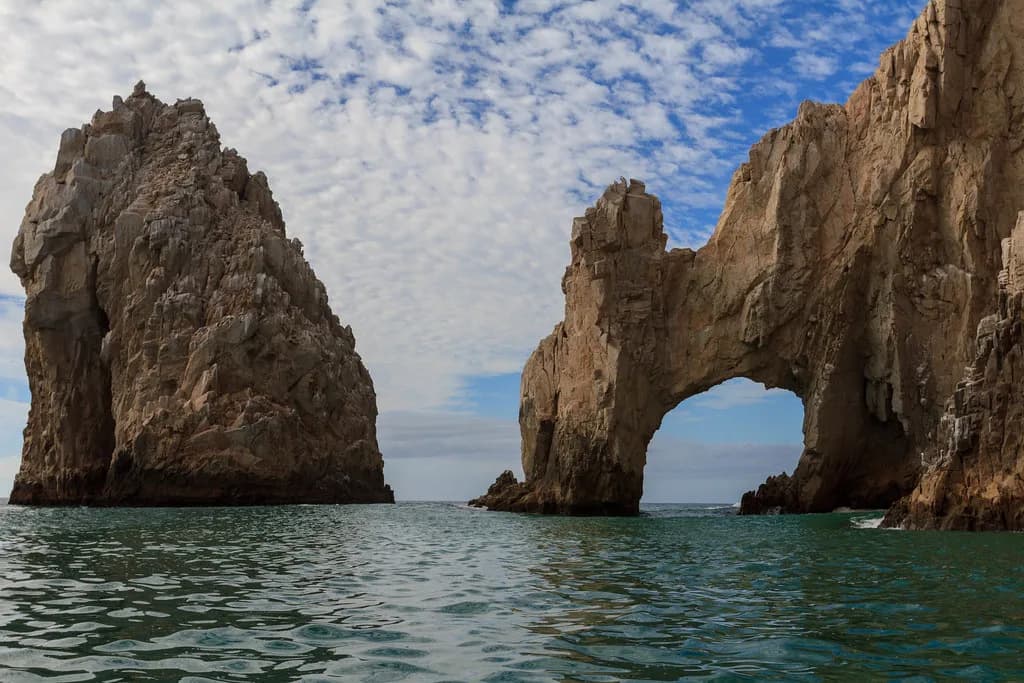
If you are comparing Pacific coast stops on a longer trip, two nearby ports have their own draws. The things to do in Cabo San Lucas lean toward the beach and the famous arch, while things to do in Acapulco center on the cliff divers at La Quebrada and the old bay. Mazatlán's distinct advantage is its walkable historic core, which those resort-heavy ports lack.
What to skip or save for a return trip
Skip the Golden Zone on a short visit. It is a resort strip of hotels and beaches, and unless you are staying there, the drive north costs you time you could spend in the plazas. On a first trip, put your hours into the Centro Histórico and the malecón and leave the resort zone for a longer stay.
Save the longer experiences for a return: a cooking class or gastronomic tour, a baseball game, and the lighthouse zipline all need more time than a rushed day allows. On a first visit, pick two of them at most and treat the rest as reasons to come back.
Which day should you build first?
Build your first day around the Centro Histórico in the morning and the malecón in the afternoon, with lunch at Plazuela Machado. That pairing gives you the cathedral, Calle Ángel Flores, the square and the waterfront in a single loop without a car. Add El Faro early on day two, before the heat builds, and fill the middle of the day with a museum.
Keep the Mazatlan map handy as you plan, and confirm current hours and peso prices at each venue on the day you go. Those two habits carry you through the rest of the trip without any surprises.
Explore more Mazatlan guides
- Best Restaurants in Mazatlán
- Mazatlán Food
- Mazatlán Map
- Mazatlán Sunset
Frequently Asked Questions
Is Mazatlán worth visiting?
Yes, if you want a Pacific coast city with a restored historic center rather than only a resort strip. The Centro Histórico holds Plazuela Machado, the cathedral and Calle Ángel Flores, and the 13-mile malecón links it to the Golden Zone. Travelers who want a walkable old town plus a long oceanfront promenade get both here.
What food is Mazatlán famous for?
Seafood, especially shrimp. Shrimp tacos at El Cielo on Plazuela Machado are a specific order to know, and the broader scene runs from ceviche to grilled fish. Away from the water, birria and small evening cenadurías serving tacos, tostadas and pozole are the everyday eating to look for near the plazas.
What can you do for free in Mazatlán?
Walk. Strolling the malecón and following the blue line from the cruise port into the historic district are free ways to spend a morning or afternoon. Paid add-ons such as the lighthouse climb, the museum and the aquarium are what you spend on.
What is there to do in Mazatlán with kids?
The open-air pick-up taxi and the pulmonía are rides kids tend to remember, and the malecón gives them room to run. The Gran Acuario Mazatlán and the Whale Museum are indoor options for a hot afternoon. Save the El Faro climb for early morning, since the slope is long and exposed.
Sources
Notes for your next Mexico trip
Optional updates when we add or correct a town guide.
You might also like
Continue reading
More guides you'll find useful