Mazatlán Old Town: What to See in the Historic Center
Mazatlán's old town packs the cathedral, Plazuela Machado, the Ángela Peralta Theater and Pino Suárez Market into a few walkable blocks near Olas Altas.
On this page
Mazatlán old town is the tight grid of historic plazuelas, churches and old mansions layered behind Olas Altas, the small bay at the south end of the malecón. Two to three hours on foot covers the core, from Plazuela Machado to the Cathedral of the Immaculate Conception, with the market blocks in between. This guide orders the walk, names each square and building, and explains how the center sits between the beach strip and the port.
The distinction matters when you arrive: the historic center begins behind Olas Altas, downtown runs alongside it with the cathedral and the municipal market, and the cruise port lies to the south. The Golden Zone, the beach hotel strip, is well north along Avenida Camaron Sabalo, so plan the center as a half-day rather than an evening stroll from a beach hotel.
What Mazatlán old town covers
Old Mazatlán is the area behind Olas Altas that holds some of the city's oldest buildings and its historic plazas. Immediately next to it sits the downtown, home to the famous cathedral and the municipal market, so the two districts read as one continuous walk on the ground. The port, where cruise ships dock, is south of the downtown.
Treat the center as a grid anchored on two points: Plazuela Machado at the Olas Altas end and the cathedral on the downtown side. Almost everything named on this page falls between them, which is why the area rewards walking rather than taxis between stops. Leave Stone Island, the beach south of the port, for a separate outing.
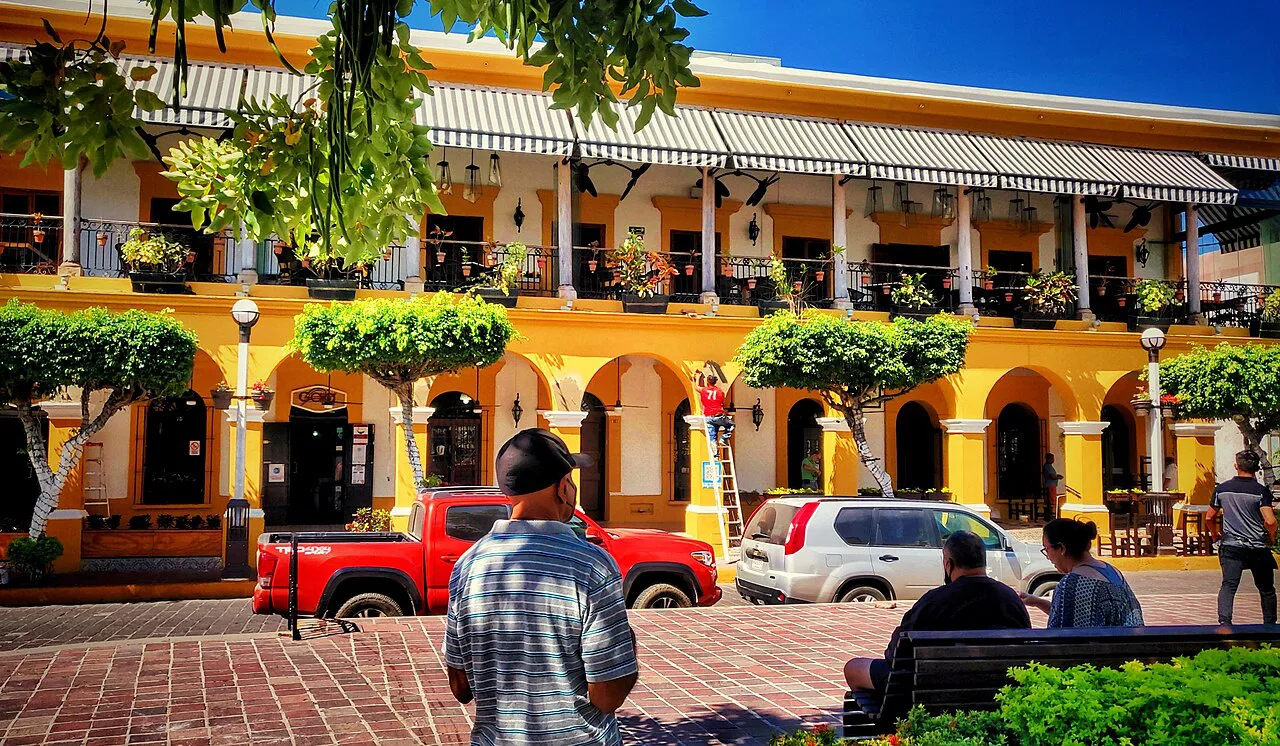
How the historic center is laid out
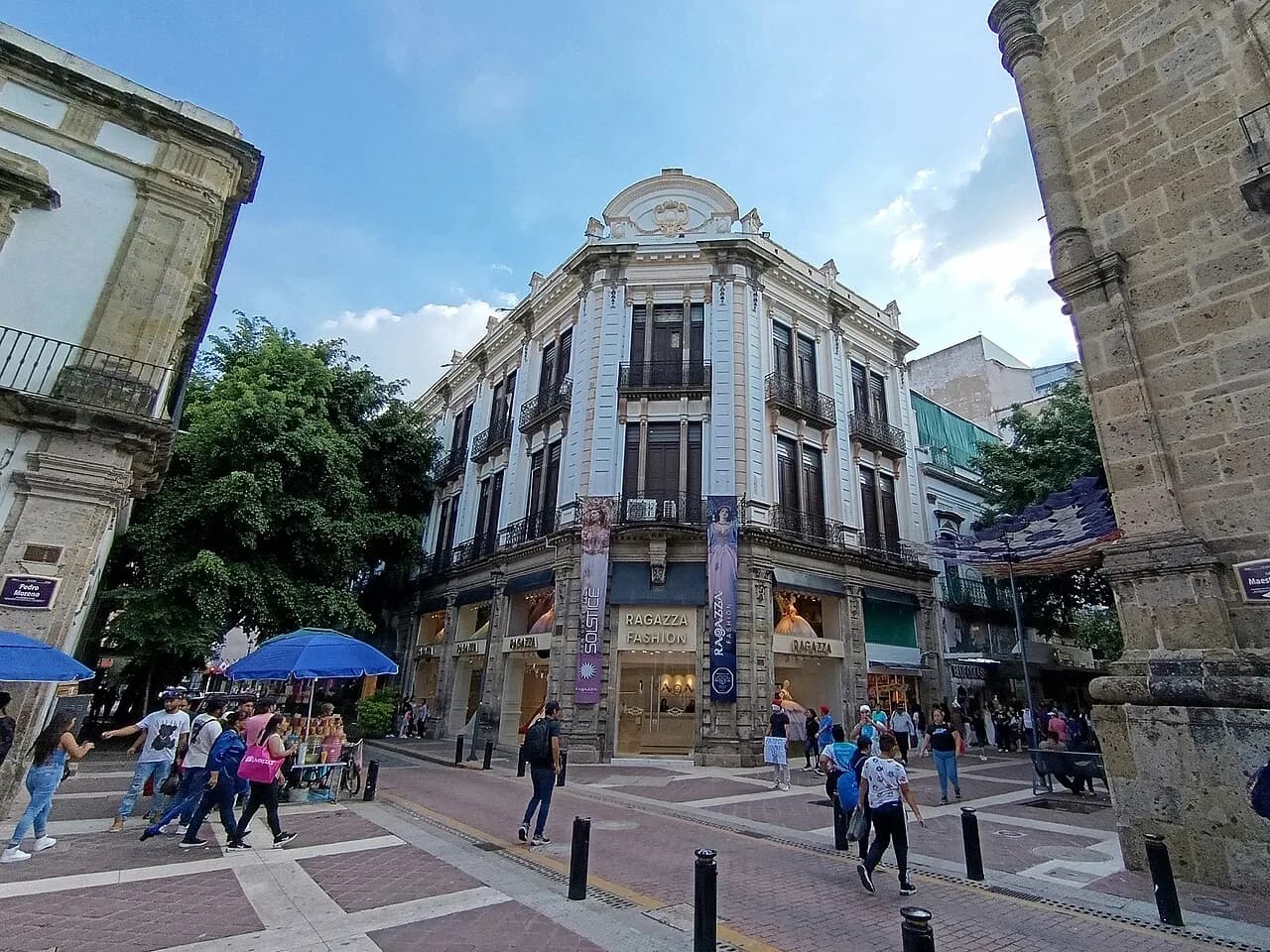
The center's squares give the walk its rhythm. Plazuela Machado, Plazuela República, Plazuela Zaragoza and Plazuela de los Leones, historically called Plazuela Hidalgo, are the named open spaces the city's historic center council lists, and each sits a few blocks from the next. Use Machado as your starting anchor and the others as pauses on the way inland. If you enjoy comparing historic squares, our Guadalajara Plaza Guide covers how that city's Centro Histórico lays out its plazas.
The connecting streets carry both their modern names and their old ones, so signs and maps can look inconsistent. Belisario Domínguez Street was once Main Street, Sixto Osuna Street was Calle del Oro, and Venustiano Carranza Street was Calle del Arsenal; the council's list also gives Ángel Flores Street and Constitución Street as current names. Paseo Olas Altas links the whole grid to the water.
Walk the plazuelas in order rather than crisscrossing: Machado first, then the short blocks toward República and Zaragoza, finishing at the cathedral. The gaps are small enough that a wrong turn costs a few minutes, so this is a center to wander in loops instead of following a strict line. If you want the square-by-square detail including the statues and arcades, the historic center council's own site lays out each Plazuela separately.
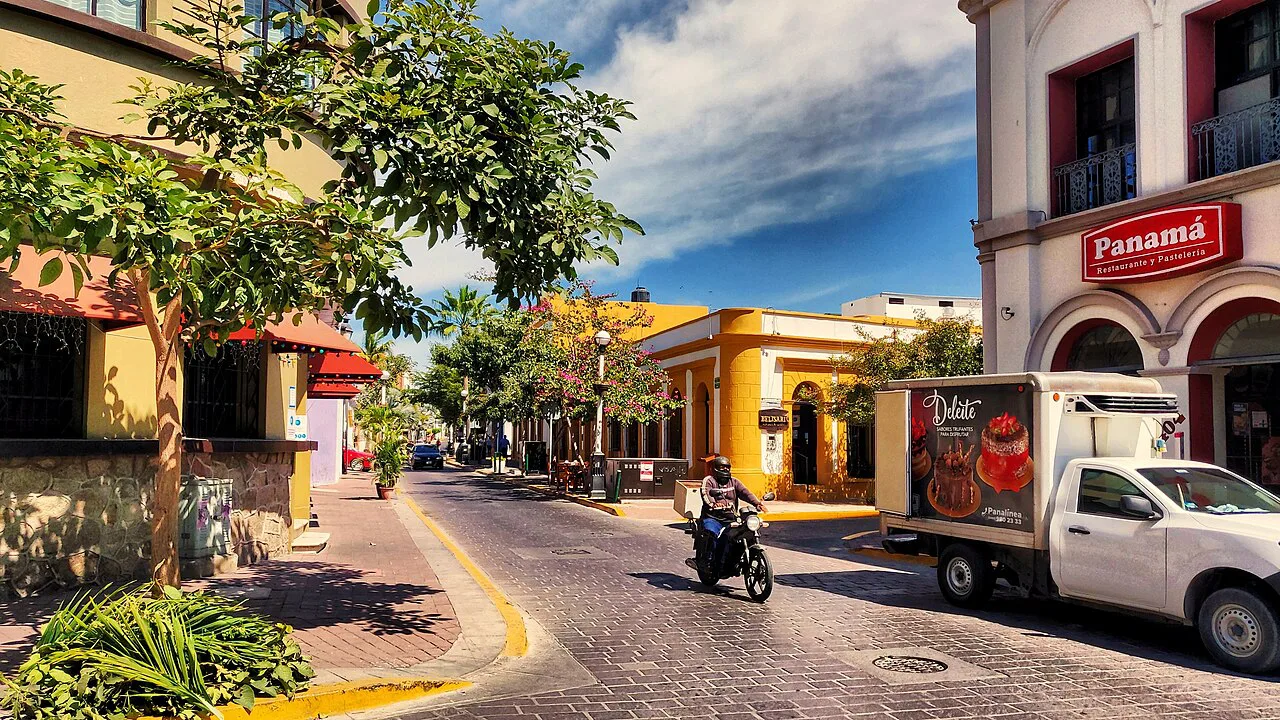
The Cathedral of the Immaculate Conception and the downtown blocks
The Cathedral of the Immaculate Conception, the Cathedral Basilica of the Immaculate Conception on official maps, is the center's single biggest landmark and sits on the downtown side next to the municipal market. It has been fitted with a new architectural lighting system that the historic center council announced in late 2024, which makes the evening view of the facade a reason to loop back. Start or end here rather than treating it as a drive-by.
Around the cathedral the streets turn commercial: shops, banks and services rather than plazuelas, which is why the downtown blocks feel busier and less photogenic than Machado. Treat this as the practical half of the walk, where you buy water or change money. For a closer look at the cathedral's interior and its setting, keep it as its own stop.
Venustiano Carranza Park, listed within the historic center, was reported by the council in November 2024 as undergoing a comprehensive renovation. Plazuela República gives you a second breathing point near the cathedral end, and Plazuela de los Leones, the old Plazuela Hidalgo, sits within the same cluster. Between them you cover most of the center's public space without leaving the grid.
Plazuela Machado and the Ángela Peralta Theater
Plazuela Machado is the square to build the day around, and the Ángela Peralta Theater is its anchor building. The theater has published calendars of activities and schedules through the council's site, so check the program directly if you want to catch a performance rather than just admire the building from the square. Evening is when a theater square makes most sense, so plan one pass here in daylight and one after dark if you have the time.
The surrounding blocks are the center's gastronomic district, with restaurants grouped in and around the historic center and routes for breakfast and mixed drinks published by the council. Rather than chase a single address, walk Machado and the two streets off it and read menus at the door. That keeps you inside the walk instead of committing to a reservation before you have seen the square.
Pino Suárez Market and the commercial streets
Pino Suárez Market is the center's working market and one of the historic buildings the council lists alongside the cathedral and the theater. It sits with the downtown shops, so combine it with the cathedral blocks instead of making a separate trip. Go in the morning if you want the market to feel like a market rather than a set of closing stalls, since the published information on hours is thin.
The commercial streets between the market and the plazuelas are where the center stops being a monument and starts being a neighborhood: banks, services, small shops. Keep the market-and-cathedral stretch short and save your walking energy for Machado.
Museums in the historic center
The center holds several museums within walking distance of each other: the Mazatlán Art Museum, the Archaeological Museum of Mazatlán and MUNMBA, the National Whale Museum. The council also lists CICMA, the Mazatlán Center for Cultural Innovation, and the urban art gallery Mazatlart, known as Paredes del Puerto, on the fence around the port's fiscal precinct. Pick one or two to match your interests rather than trying to tick all of them in an afternoon.
Check admission and opening days directly with each museum before building a day around one; the council's museum pages are the place to start. A museum stop is a sensible way to break the walk in the middle of the day when the sun is strongest. Budget an hour for a single museum and treat a second one as a bonus.
Other landmarks: the Juárez Building, Botica La Italiana and the old mansions
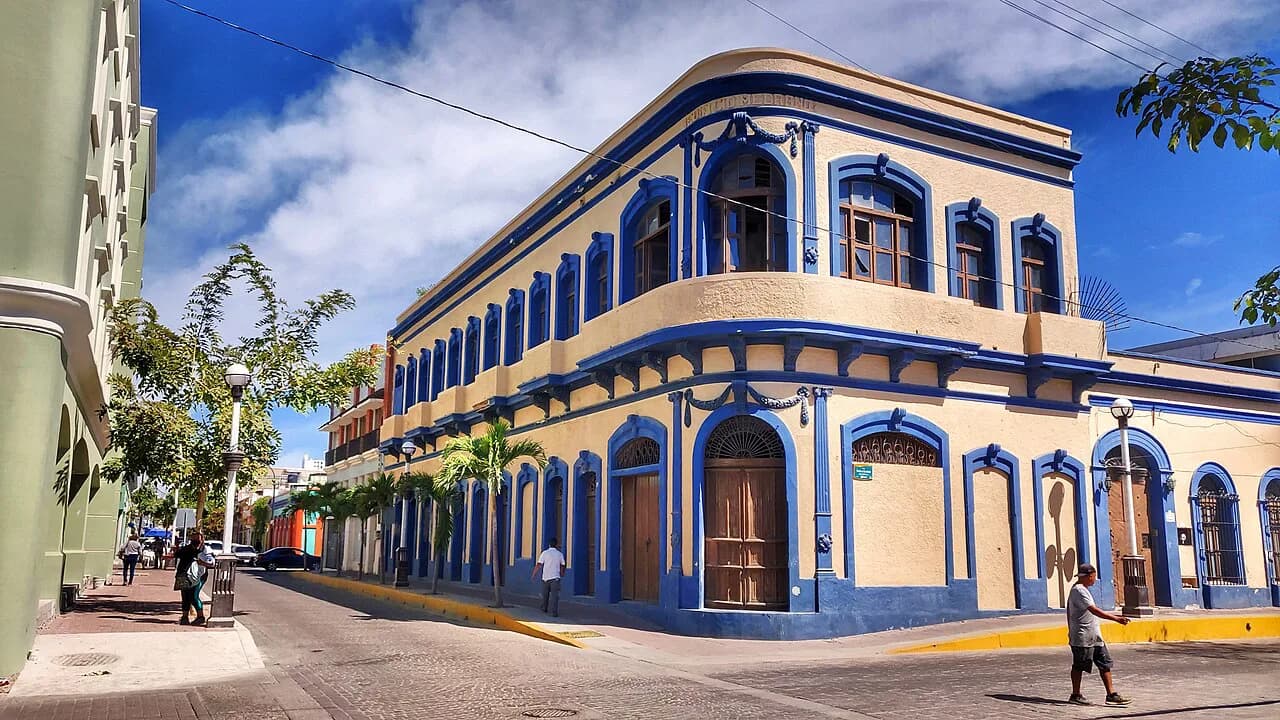
Beyond the cathedral and theater, the council's list of historic buildings includes the Juárez Building, Botica La Italiana, today known as Portales de Canobbio, and the Banco Occidental de México. These are architectural stops on the same walk, not separate destinations, and most visitors pass them on the way between plazuelas. Look up at facades and arcades rather than expecting interior tours.
The old mansions scattered through the center are the third layer of the district, listed as a group rather than individually. They are best seen by walking the named streets, Belisario Domínguez, Ángel Flores, Sixto Osuna, Venustiano Carranza and Constitución, and noticing how the residential blocks change from square to square. If the architecture is your main interest, this is where to slow down.
The city added 30 informational plaques on its most iconic streets and buildings, a step the historic center council reported in March 2025, which makes a self-guided architecture walk easier than it used to be. Read them as you go instead of carrying a guidebook. For the broader story of how the port grew, keep the plaques as your starting point.
A walking route from Olas Altas to the cathedral
Start at Paseo Olas Altas, where the seawall meets the old town, and walk inland to Plazuela Machado for the theater and the surrounding streets. Continue through the smaller plazuelas, República and Zaragoza, then finish at the Cathedral of the Immaculate Conception and Pino Suárez Market on the downtown side. Allow two to three hours with a museum or a coffee stop, and less if you walk briskly.
The reverse order works too, starting at the cathedral while the streets are quiet and ending at Machado for a late lunch. Because the whole grid is only a handful of blocks across, you can walk it once for orientation and again for detail without repeating a long slog. Carry water: the center is exposed between plazuelas, and shade comes mostly from arcades and building shadows.
Where the old town sits between the malecón and the port
South from the Golden Zone the city runs through the Malecon area, then Los Pinos, El Clavadista, Olas Altas and into the historic center, with the port beyond. That makes the center the southern end of a long waterfront rather than a detached district. If you are staying in the Golden Zone, treat the center as a destination reachable along Avenida Del Mar and the waterfront, not a walk from your hotel.
For the waterfront itself, the seawall runs for miles along the main bay with a beach in front and hotels and restaurants across the street. The stretch closest to the old town is where the two districts meet, and it is the logical place to link a center walk with a coastal one.
What to eat in the center
The historic center's kitchens are known for a specific set of dishes the council names: aguachile, caguamanta, frijoles puercos, smoked marlin, chorreada, taco gobernador and campechana served hot. Drinks run to barley water, coconut horchata, tejuino and Pacifico beer. Ordering two of these across a couple of stops gives you a better read on the local cooking than one large meal.
Because restaurants cluster in and around the gastronomic district by Plazuela Machado, the practical approach is to walk the square and pick from what you see rather than reserving ahead. Keep one meal in the market blocks near the cathedral and one on Machado to see both sides of the center.
Heat, sun and cash in the center
The center is a walking district with limited shade between plazuelas, so the sensible plan is a morning loop with a museum or a long lunch in the middle of the day. Carry pesos in small bills, and keep a card as backup. Water is the one thing to buy before you start rather than during the walk.
Build in a rest stop: the plazuelas have benches and arcades, and the theater square is the natural place to sit. A hat and sunscreen matter more here than on the beach strip, where you can retreat to a hotel. Two passes, morning and evening, beat one long afternoon in the sun.
How long does old Mazatlán need?
Give the historic center two to three hours on foot, longer if you add a museum or a full meal, and come back in the evening for the lit cathedral and Plazuela Machado. Walk it from Olas Altas inland to the cathedral and market, then reverse or loop back along Paseo Olas Altas. The grid is small enough that a second visit costs little.
Treat the center as its own half-day rather than an add-on to a beach day in the Golden Zone, and check the Ángela Peralta Theater calendar before you fix a date if a performance matters to you.
Explore more Mazatlan guides
- Mazatlán Cathedral
- Mazatlán Churches
- Mazatlán History
- Mazatlán Malecón
Frequently Asked Questions
Is Mazatlán old town the same as downtown?
They overlap but are described separately: the historic old town is the area behind Olas Altas with the historic plazas, and the downtown next to it holds the cathedral and the municipal market. Walk them as one continuous route from Plazuela Machado to the cathedral.
Can you walk the historic center in an afternoon?
Yes. The plazuelas, cathedral, theater and market sit within a few blocks of each other, so two to three hours covers the core on foot. Add time for a museum or a sit-down meal, and plan a second short loop after dark for the lit cathedral facade.
Sources
Notes for your next Mexico trip
Optional updates when we add or correct a town guide.
You might also like
Continue reading
More guides you'll find useful