Things to Do in Mexico City: Where to Start, by Area
Plan Mexico City sightseeing by area: the Zócalo and Templo Mayor, Chapultepec and the Anthropology Museum, Coyoacán, Xochimilco and Teotihuacan.
On this page
Start at the Zócalo, the main square where the city's civic and religious buildings sit within a few blocks of each other, then work outward cluster by cluster rather than crossing the city for single sights. Mexico City is dense but its highlights group tightly: the historic center, Chapultepec, Roma and Condesa, Coyoacán with Xochimilco, and Teotihuacan to the northeast. This guide organizes the big sights into those areas and explains how long each one takes, how to reach it, and when booking a tour is genuinely easier than doing it yourself.
Two practical rules shape the plan. Many museums and public buildings in Mexico City close to the public on Mondays, so build your museum day around any day but that one. And the biggest sights take longer than first-timers expect: the National Museum of Anthropology alone justifies about half a day, and Chapultepec Castle sits at the top of an uphill walk through the park.
Use the Mexico city map to see how these clusters sit relative to each other before you commit to an order, since a compact Centro morning and a Chapultepec afternoon pair well while Coyoacán and Xochimilco belong on the same southern day.
What to see first in Mexico City: the Zócalo and the buildings around it
The Zócalo is Mexico City's main square and the cultural and historical heart of the city, the place where civic and religious events have been staged since Aztec times. No first visit starts anywhere else. Give the square and its immediate surroundings a half day and walk rather than ride between stops, because the buildings that matter most sit within a few blocks.
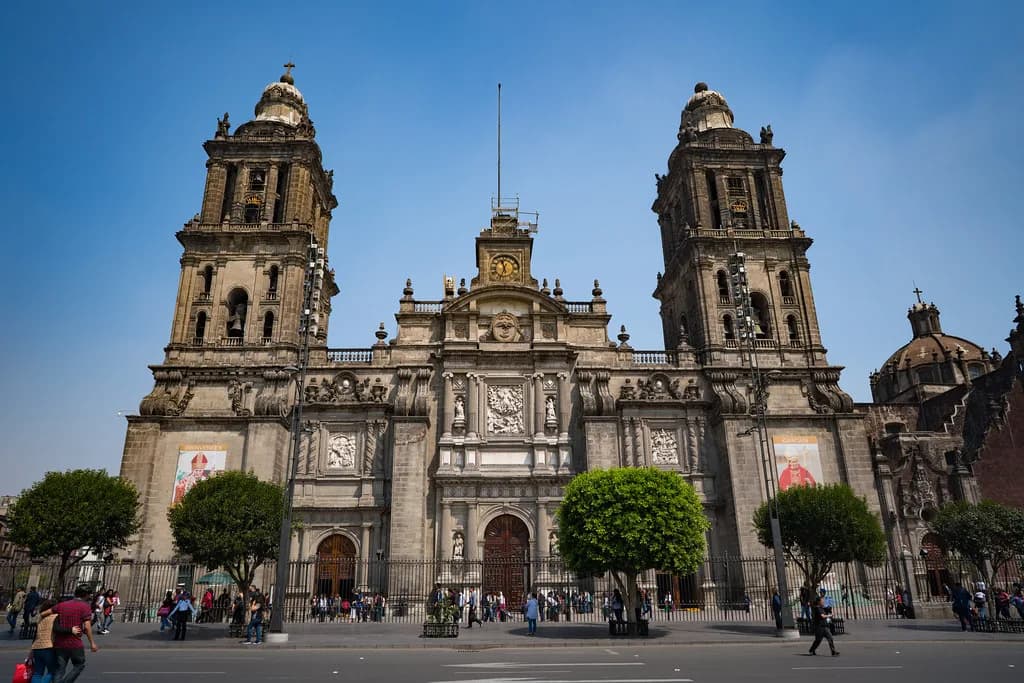
Around the plaza, the Metropolitan Cathedral anchors one side and the Palacio Nacional another, with the ruins of Templo Mayor tucked just off the square. The Centro Histórico is a UNESCO-listed district, which is the reason a slow walk here beats a rushed photo stop at each facade.
Rooftop terraces facing the Zócalo give a view over the square, and the Torre Latinoamericana offers a 360-degree view of the wider city from its observation level. Both are useful early in a trip, because seeing the sprawl once makes the rest of your days easier to plan.
Templo Mayor: the Aztec ruins beside the Cathedral
Templo Mayor is the excavated sacred center of the Aztec empire, sitting in the middle of the historic center next to the Cathedral rather than out at a separate archaeological site. That location makes it the easiest ruin to fold into a Centro morning: you can walk the Zócalo, step into the excavation, and still have the afternoon free.
Treat it as a compact stop of an hour or two rather than a half-day outing, and read the site labels as you go, since the ruins make far more sense once you know where you are standing relative to the plaza. Combined with a walk past the Cathedral and the Palacio Nacional, this is the densest history per block anywhere in the city center.
The National Museum of Anthropology and Chapultepec Park in one day
The National Museum of Anthropology holds the Aztec Sun Stone, Olmec stone heads and pieces from Chichén Itzá and Teotihuacán, and it draws more than two million visitors a year. Allocate about half a day and accept that you will not finish it. Pick the halls that match the rest of your trip and move on before museum fatigue sets in.
The museum sits inside Bosque de Chapultepec, so the park itself comes with the ticket in terms of time. Chapultepec is a 686-hectare green space, twice the size of Central Park, and it holds lakes, the botanical garden, the Museum of Modern Art and the castle on its hill.
You can pair the Anthropology Museum and Chapultepec Castle in a single day because they are close together, but you will see less of each and skip the park between them. Splitting them across two days is the better call if you want the forest, the lakes and the vendors at an unhurried pace.
Food and drinks are not permitted inside the castle, and the walk up through the park is a real climb, so drink water before you start and buy from the vendors along the path rather than carrying a bottle to the gate.
Chapultepec Castle and the view over the city
Chapultepec Castle sits on the hill inside the park and today houses the National Museum of History, with exhibits covering the Second Mexican Empire and the presidents who later lived there. Even if the museum content is not your priority, the terrace delivers one of the best panoramic views of Mexico City, which alone justifies the climb.
Budget roughly two hours for the castle and its gardens once you are inside, then add the uphill walk from the park entrance. Going independently works well here: the route is straightforward and you can linger on the terrace as long as you like.
Palacio de Bellas Artes, Casa de los Azulejos and the historic-center architecture walk
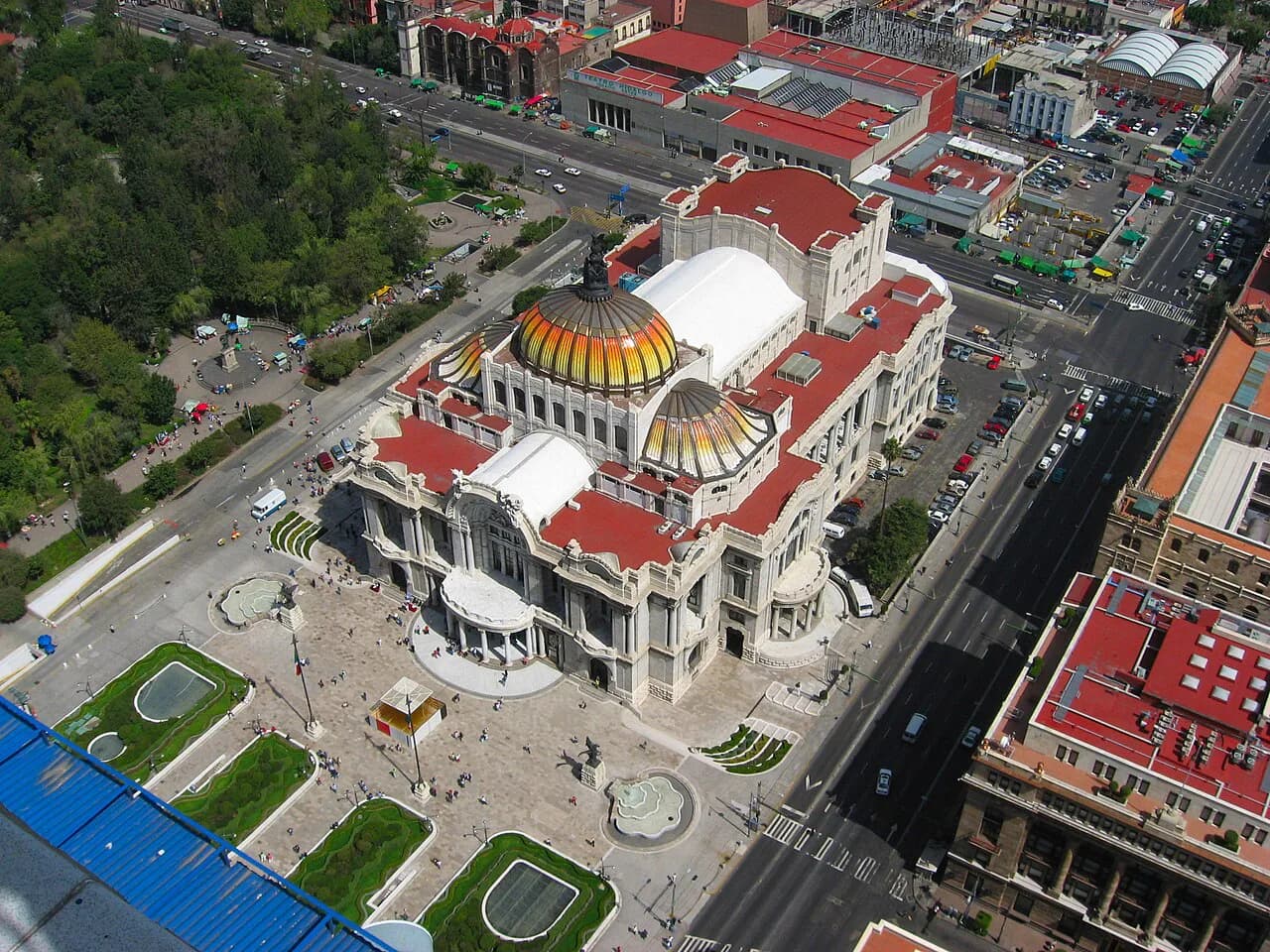
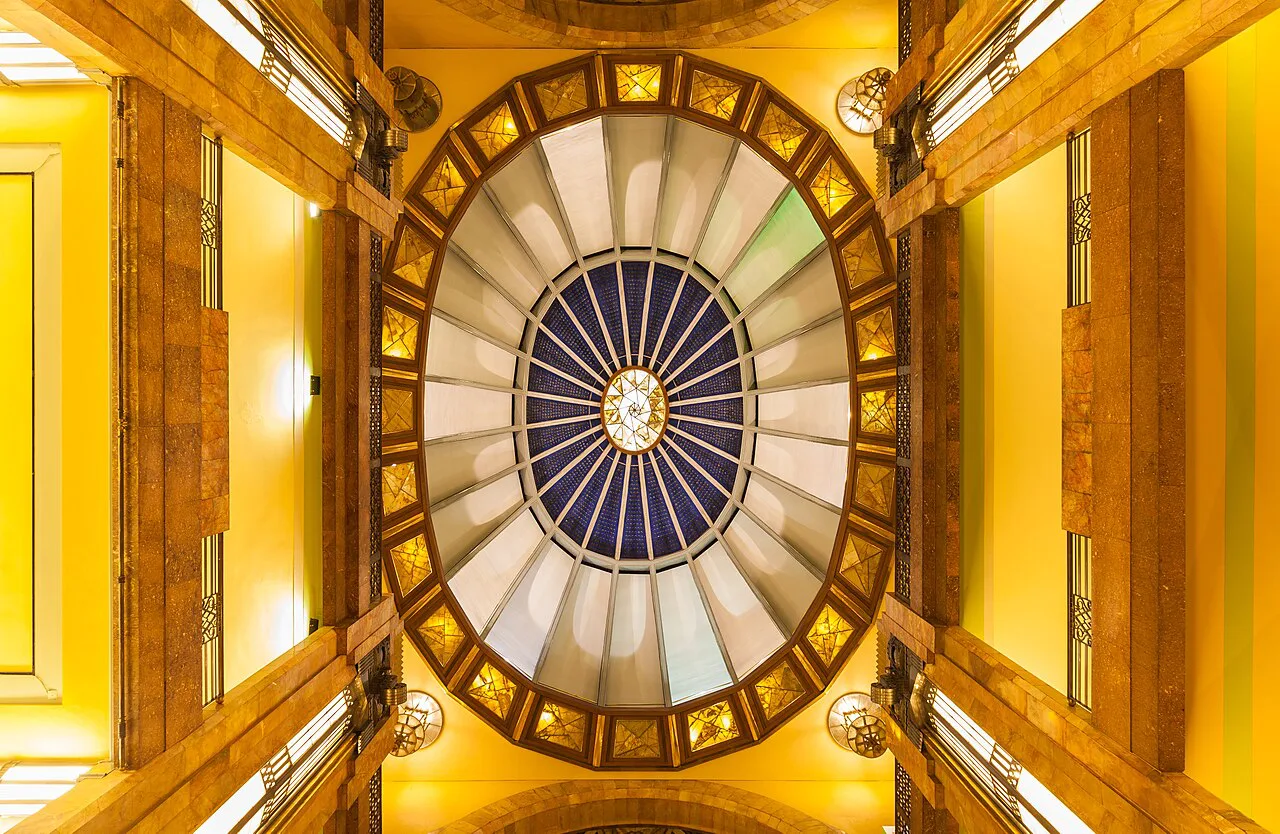
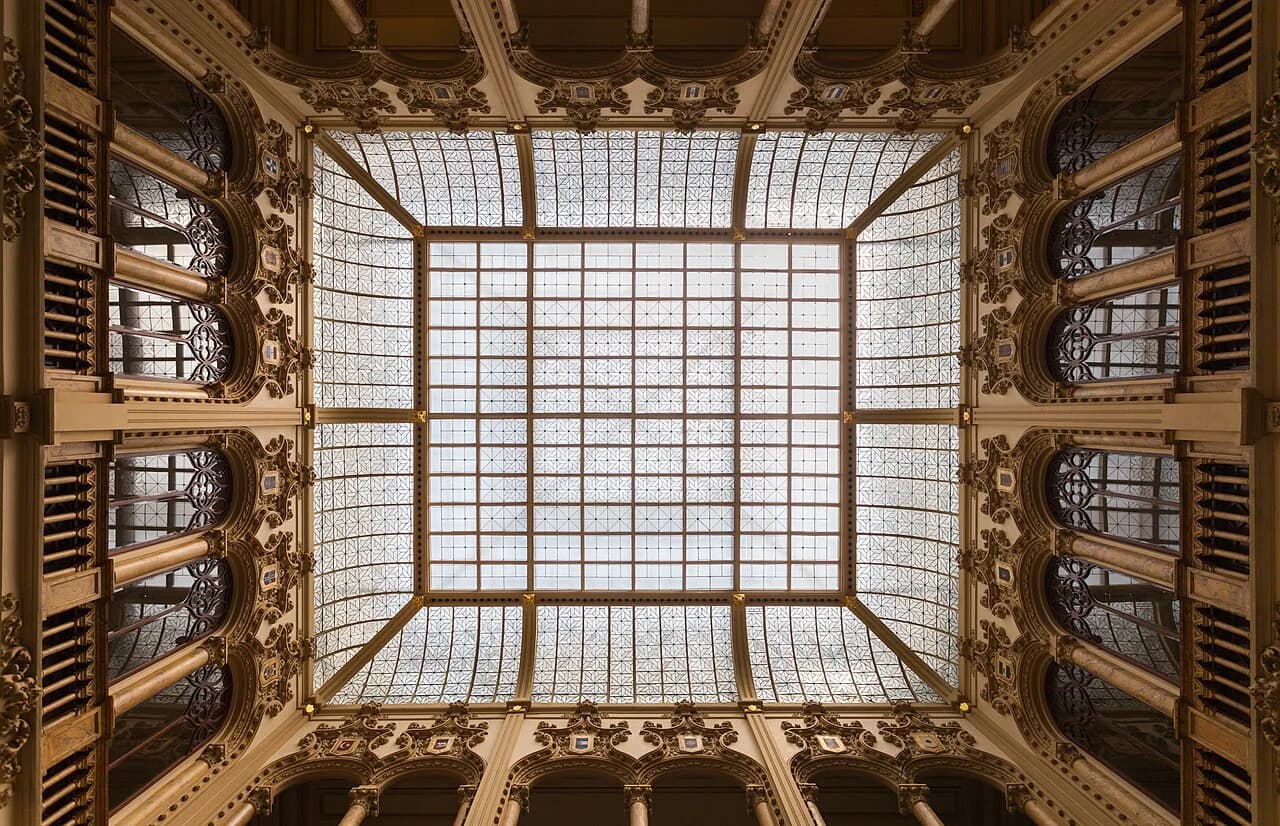
Palacio de Bellas Artes is the architecture stop in the Centro, its Art Deco shell and interior worth a look even on a tight schedule. From there, walk the Centro to Palacio de Correos de México, the MUNAL collection and Casa de los Azulejos, a tiled building that doubles as a landmark on any loop between the Zócalo and Alameda.
Architecture is one of the strongest reasons people return to this city: the Centro, Reforma and the older colonias read as an open-air museum of styles from baroque to mid-century. A self-guided walk costs nothing and lets you stop where the facades interest you, which is the opposite of the checklist approach most first-timers bring.
Mural art is the other half of the Centro walk, with government-funded works that turned walls into public argument. If you want context for what you are looking at, a murals tour is one of the few guided formats that adds real value in the center.
Roma and Condesa: leafy streets, markets and cafés
Roma and Condesa are the neighborhoods most first-timers end up loving, with leafy boulevards, quiet corners and a café on nearly every block. They are also easy to walk, which makes them a good reset day between museum-heavy ones.
Set aside a half day to wander without a fixed route, then build in time for a proper meal: this is where Mexico City's restaurant culture is densest, and the top tables book out well ahead. Good food here does not depend on a reservation, though, since tacos, tortas, churros and pastries are everywhere and cost far less than the top tables.
For the edible side of the city in a single stop, a street food tour gives you context on what to order and how, from huitlacoche quesadillas to tlayudas, and that knowledge pays off at every market stall for the rest of the trip.
Coyoacán and the Frida Kahlo Museum
Coyoacán is the bohemian southern neighborhood built around Frida Kahlo's home and studio, now the Museo Frida Kahlo, and it pairs naturally with a slow morning of walking. If your time in the city is short, this is the museum-and-neighborhood combination to prioritize alongside the Anthropology Museum.
Coyoacán sits outside the center, which makes it the clearest case for grouping sights. Combine it with Xochimilco on the same southern day rather than making two separate trips, and consider a tour that covers the canal boats, the museum, the historic center of Coyoacán and the university grounds in one run.
Xochimilco canal boats and the shared cost of a trajinera
Xochimilco's canals are navigated in trajineras, flat-bottomed boats, and the experience is easier to share with a group. This is the strongest argument for joining a group here: with more people aboard, the cost of drinks and the mariachi bands that come alongside is easier to split.
It looks like a tourist trap and is not one, which is exactly why it belongs on a first visit. Drinks on the boats are more fun with a group, and going with a guide means someone else handles the logistics and the music negotiations.
Teotihuacan, the Pyramid of the Sun and the Pyramid of the Moon: tour or DIY
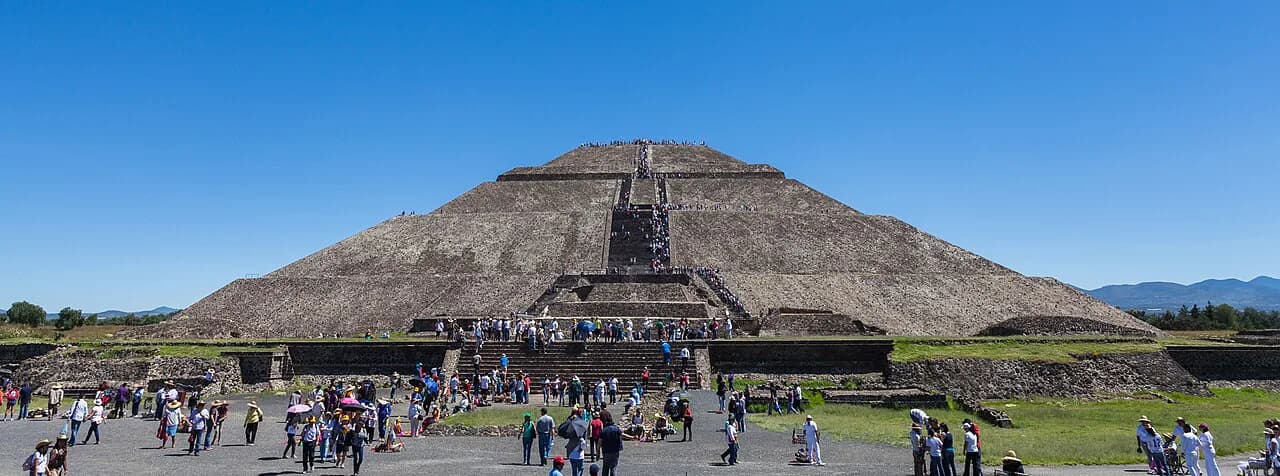
Teotihuacan lies outside the city, and the Pyramid of the Sun and Pyramid of the Moon are its two headline structures. Doing it yourself on public transport runs to about a 2.5-hour round trip before you have walked a single ruin, which is why booking a tour is the more efficient option for most first-timers.
Two tour formats are worth considering. A standard guided visit covers the ruins and the transport problem; a sunrise hot-air balloon flight puts you above the site and then lets you walk it. Both remove the transport burden, which is the real cost of the DIY version.
The trade-off is time and money: a tour moves at the group's pace and leaves less room for lingering on the platforms. If you want to climb at sunrise and walk the Avenue of the Dead slowly, weigh whether the savings from going independently justify the extra travel hours.
Smaller ruins inside the city: Cuicuilco
Cuicuilco is the pyramid you can reach without leaving the city, at an archaeological park in the south near the Bosque del Pedregal forest. Take the Metro Bus down and you get a low-key ruin without the crowds of Teotihuacan, plus a large park next door for the rest of the day.
This is the right choice if you want an archaeological stop but have already committed a full day to Teotihuacan, or if you are traveling with people who prefer a shorter outing to a long bus trip.
Markets, street food and what to order
Markets are where Mexico City eats, and food stalls are dotted around every neighborhood, so you will likely find a favorite near where you are staying within a day or two. Look for huitlacoche quesadillas and tlayudas, both widely available, and ask for them without cheese if you are avoiding dairy.
For a single edible morning, the La Ciudadela market sits near San Ángel and the city's craft shopping, making it a natural pairing with a walk through that neighborhood. Put the market first in the day rather than after a museum, since it is an outing in itself.
Between tacos, tortas, churros and pastries, food is the most rewarding way to spend a few unstructured hours in this city, and it costs a fraction of a museum ticket.
How to get around: Metro, ride-hailing and fare basics
The Metro and bus network is extensive and cheap, and a Metro ticket is a single flat fare regardless of distance, reported at about a tenth of a dollar. Ride-hailing through Uber or DiDi is the easier option for most trips and avoids the scams that can come with street taxis, unless you are strictly on a backpacker budget.
Distances are deceiving here: the city has more than nine million residents and distant clusters such as Teotihuacán and Coyoacán sit outside the center, while the Centro, Chapultepec and Roma-Condesa each group tightly enough to walk. Plan days around clusters and you will spend less on cars and more time at the sights.
Set up a map before you go so you can judge whether two stops belong in the same morning.
How to group sights into a two- or three-day plan
With three days, give the first to the Centro: the Zócalo, Templo Mayor, Palacio de Bellas Artes and a slow architecture walk, ending with a rooftop view. Give the second to Chapultepec, splitting the Anthropology Museum in the morning from the castle and park in the afternoon if you are moving fast, or spreading them across two half days if you are not.
The third day goes south: Coyoacán and the Frida Kahlo Museum in the morning, Xochimilco in the afternoon, ideally as one combined tour. With a fourth day, add Teotihuacan, which is a full day once you count the transport.
Two days is enough for the Centro plus one of Chapultepec or Coyoacán. Pick based on temperament: museum people go to the Anthropology Museum, and first-time visitors who want the classic Mexico City postcard go to the castle.
Who each area suits: culture-heavy days, food days and out-of-center days
The Centro suits travelers who want maximum history per block and do not mind crowds; Chapultepec and Polanco suit museum days that need green space around them; Roma and Condesa suit food and café days; Coyoacán, Xochimilco and Cuicuilco suit anyone willing to go south of the center for a full day.
If shopping is part of your trip, the artisan and design scenes stretch across the Centro and Roma, and it is worth knowing which streets are worth the detour before you set out. For beach time after the capital, other destinations are a flight away and plan differently. Acapulco is the classic coastal add-on, and our guide to the things to do in Acapulco covers cliff divers and fort visits.
The choice is really about what you want the city to feel like. History and architecture days belong in the Centro; food days belong in Roma and Condesa; the out-of-center days are what you remember when you get home, because they show you that this is a city of neighborhoods rather than a single square.
Which Mexico City day should you book first?
Book Teotihuacan or Xochimilco first if you plan to tour either, because group departures and shared boats set the shape of the surrounding days and are the two places where going alone costs you the most time. Everything in the Centro, Chapultepec, Roma and Condesa works independently on foot or by ride-hailing.
Then build the rest of your days around clusters: Centro on day one, Chapultepec on day two, the southern sights on day three, and Teotihuacan when you have a full day to give it. Check museum closing days before you lock the order, and confirm any tour meeting point with the operator.
Explore more Mexico City guides
- Mexico City Map
- Mexico City Markets
- Mexico City Neighborhoods
- Shopping in Mexico City
Frequently Asked Questions
Is 3 days enough in Mexico City?
Three days covers the Centro, Chapultepec and one southern day for Coyoacán and Xochimilco. Teotihuacan needs a fourth day because the transport alone takes hours. If you have only two days, keep the Centro and choose between the Anthropology Museum and Chapultepec Castle.
What is Mexico City best known for?
The city is known for its pre-Hispanic and colonial architecture, its museums, and its food. The Zócalo and Templo Mayor, the National Museum of Anthropology and Chapultepec Park, and the restaurant and street food culture of Roma and Condesa are the reasons most first-timers come.
What should I not miss in Mexico City?
Do not skip the Zócalo and Templo Mayor, the National Museum of Anthropology, and either Coyoacán or Xochimilco. If you have a full extra day, Teotihuacan is the one out-of-town sight worth building a day around.
Sources
- 27 Best Things To Do in Mexico City (Ranked + Helpful Tips)
- 15 Wonderful Things To Do in Mexico City - The Thrill of Pursuit 15 Wonderful Things To Do in Mexico City - The Thrill of Pursuit
- My favourite things to do in Mexico City as a tourist (2026)
- Is Mexico City Worth Visiting? Top Things to Do in Mexico City 2026
Notes for your next Mexico trip
Optional updates when we add or correct a town guide.
You might also like
Continue reading
More guides you'll find useful