Things to Do in Tulum: Ruins, Cenotes and Town, Explained
Plan Tulum by area: the cliff-top ruins, Gran Cenote and Cenote Calavera, Playa Paraíso, the pueblo and Aldea Zama, plus day trips and what tickets cost.
On this page
Tulum's best day is three moves: the cliff-top ruins in the morning, a cenote swim at midday, and a bike ride down the beach road in the afternoon. The town is small enough to cover that way because everything sits along one corridor, from the pueblo on the highway east to the archaeological site. This guide organizes the sights by the three zones you actually move between, Tulum Pueblo, Aldea Zama and the beach road, and gives the ticket splits, riding times and cash details that decide how the day goes.
Two things shape planning more than any list. First, the ruins charge several fees at separate windows, so the archaeology ticket is not the whole cost. Second, the beach road is a bike ride from town rather than a walk, and the heat makes the timing matter. A Tulum itinerary built around an early start and a midday cenote beats one that tries to hit the beach road at 2 p.m.
The three parts of Tulum: Pueblo, Aldea Zama and the beach road
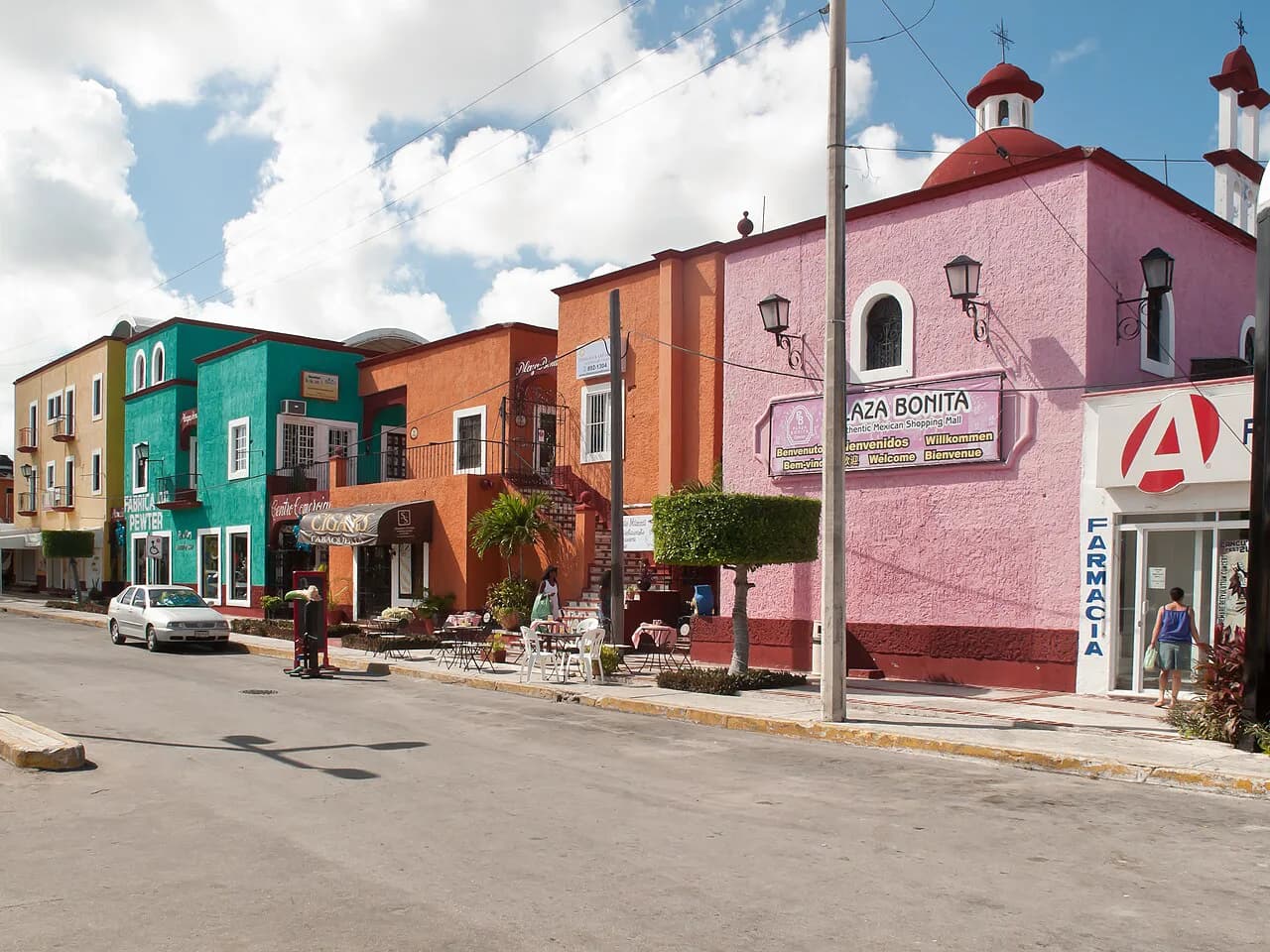
Tulum Pueblo is the town center on the highway, smaller than most first-timers expect but holding the concentration of food options and everyday commerce. Aldea Zama sits just north of the pueblo as a newer neighborhood, and it holds the one cenote in town you can swim in without paying. The beach road runs east from the pueblo toward the archaeological site and the coast, and that is where the beach clubs, boutique shops and higher prices sit.
Tulum sits in Quintana Roo, roughly a three-hour drive from Cancún and about an hour from Playa del Carmen, which makes it a base as much as a destination. Use the Tulum Map to see how the pueblo, Aldea Zama and the beach road line up before you commit to a route. The beach zone is where the expensive end of Tulum lives, while the pueblo is where the cheap end still exists. Knowing which zone you are heading to each morning saves taxi fare and wasted hours.
The town center is compact enough to cross on foot in minutes, and street food stalls and local taquerías cluster there rather than on the beach road. If your day includes both the ruins and a sit-down dinner, plan the geography so you are not crossing the corridor twice. Ride-hailing and taxis cover the gaps, but the bike lane handles the pueblo-to-beach run cheaply.
The Tulum Ruins: El Castillo, the Temple of the Frescos and the cliff
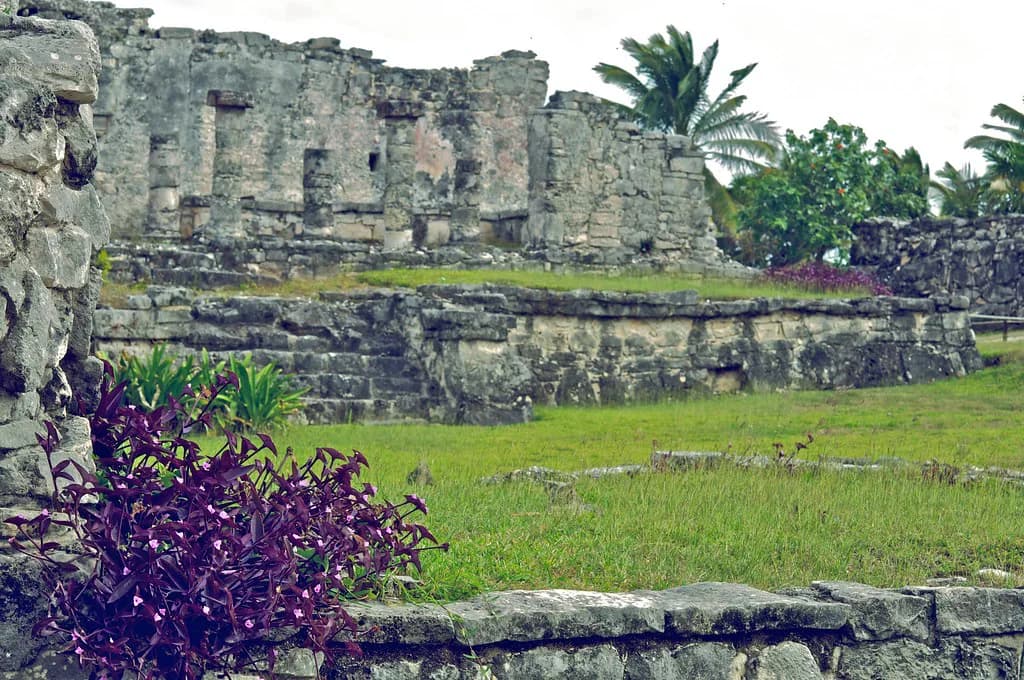
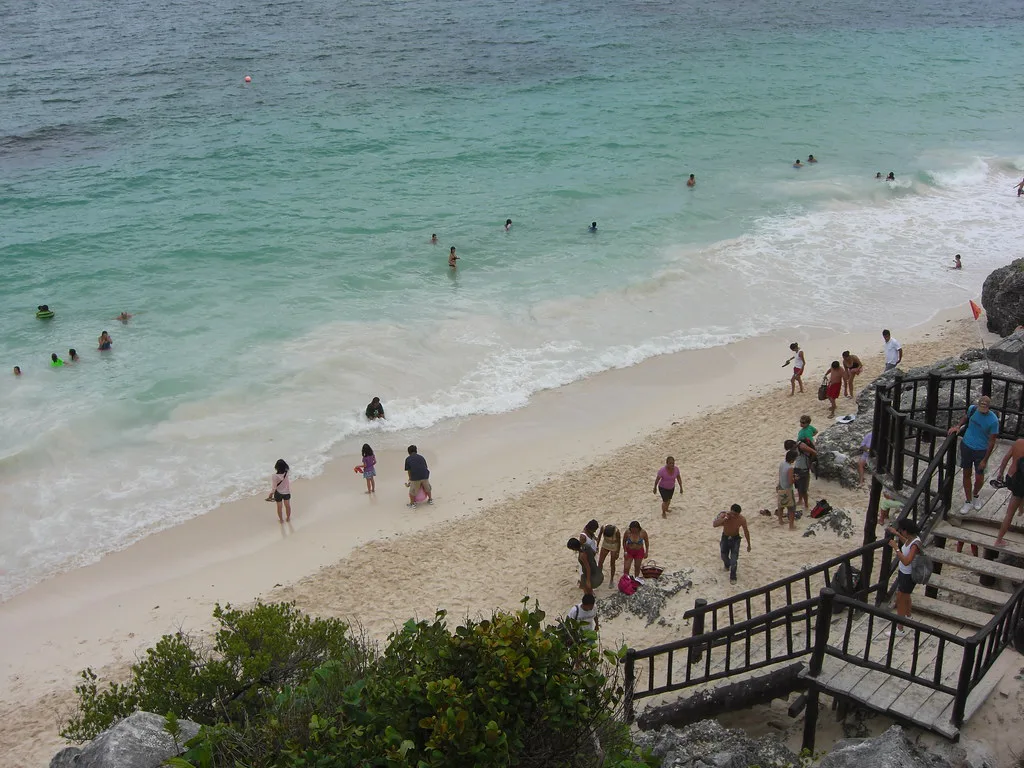
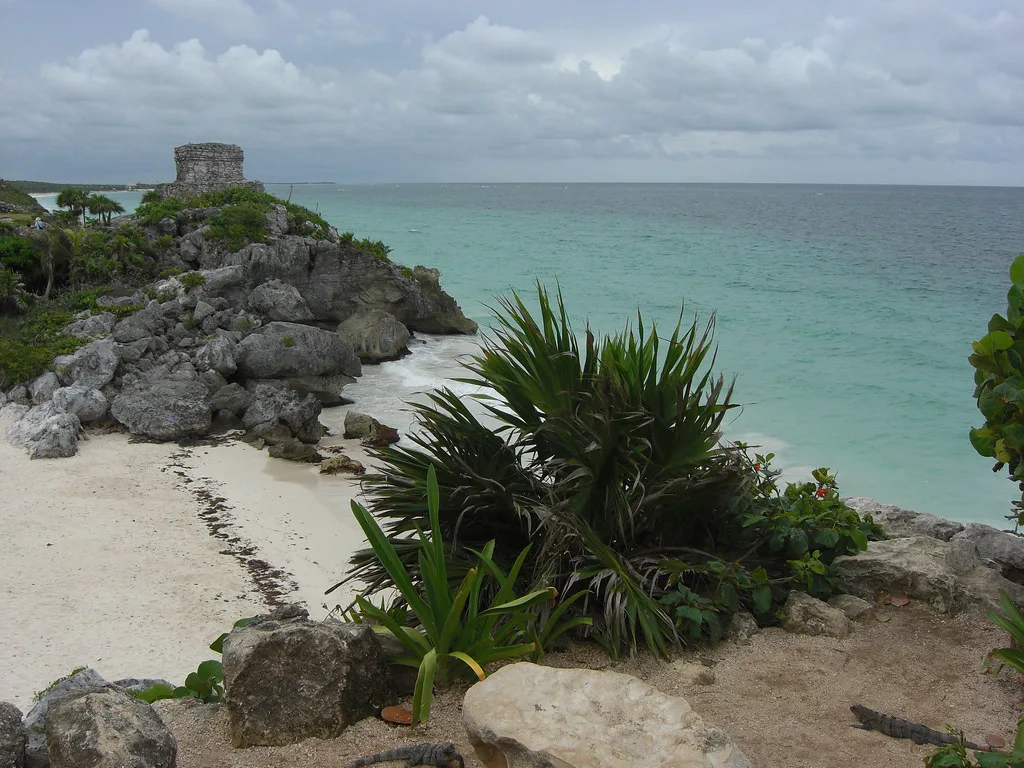
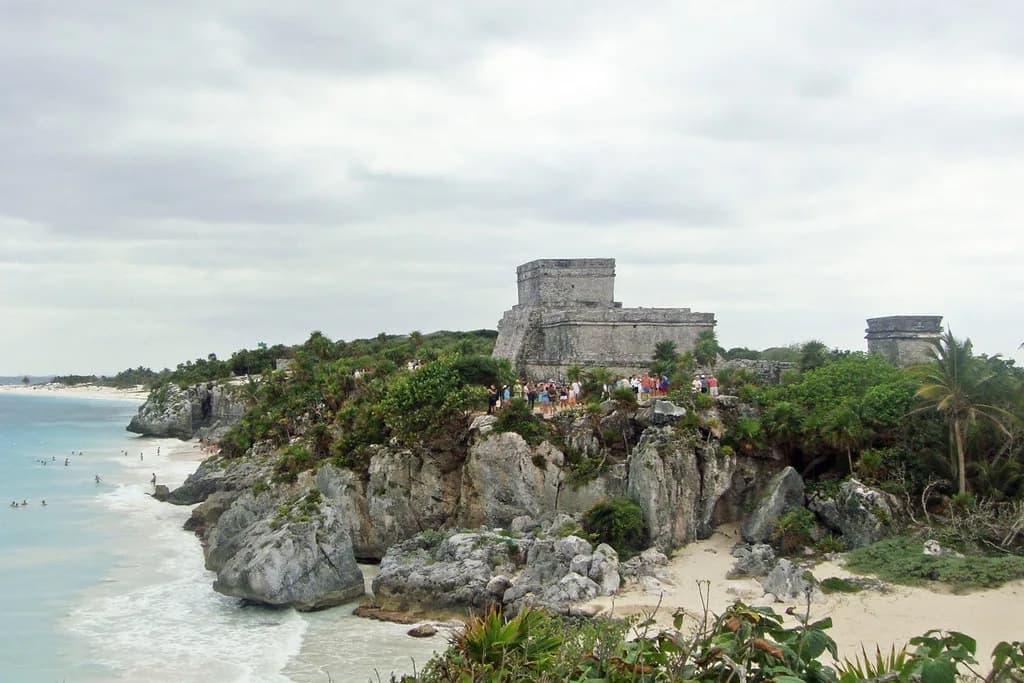
The Tulum Ruins are a former Mayan fortress-city on a limestone cliff above the Caribbean, and they are the single sight most visitors come for. El Castillo is the large structure standing on the cliff edge, and the Temple of the Frescos holds wall paintings that depict Mayan spiritual beliefs. The site includes a small north zone with altars and a clear view back toward El Castillo.
The setting is the reason to go early: the ruins open onto a cove of white sand, and the light and the crowds both build through the morning. Guided tours are available at the site and cost extra beyond admission. Budget at least an hour for the ruins themselves, more if you linger at the cliff edge.
Tulum Ruins tickets: the archaeology fee, the park bracelet and the shuttle
The ruins do not sell you one ticket. In 2025 the archaeology admission ran 95 MXN (about $6), a separate 60 MXN (about $4) bracelet covered access to Tulum National Park, and a shuttle from the parking lot was an optional 50 MXN (about $3). An SLR camera required a 40 MXN (about $2.50) photography permit, and each fee was paid at a different booth.
Bring exact pesos. Change is scarce at the booths, and although cards are accepted now, cash moves faster when the line behind you is long. Add the archaeology fee, the bracelet and the optional shuttle together before you decide whether to walk in from the parking area.
Sundays are the day to avoid if you want quiet. Mexican residents get free admission at museums and sites including the Tulum Archaeological Site and Cobá on Sundays, so both fill up. If your schedule is flexible, put the ruins on a weekday and save Sunday for the pueblo.
Swimming at Gran Cenote and Cenote Calavera
Gran Cenote is the most developed swim near town, a partly covered pool where turtles, fish and bats share the water with snorkelers. In 2025 it cost 500 pesos (about $30) per person, cash only, and paying in pesos came out cheaper than dollars. Cenote Calavera, the smaller open sinkhole with ledges to jump from, ran 250 pesos (about $17) in the same period, again with pesos the better deal.
Both cenotes treat themselves as fragile ecosystems. Sunscreen and bug spray are prohibited, and you may be asked to shower before entering. Pack reef-safe sunscreen or a rash guard for the ride over, and apply nothing until after you swim.
Dos Ojos and Maya Muyil are the other two cenotes most often recommended near Tulum, and both sit outside town, so they pair with a day when you have transport. If you would rather not arrange each one separately, operators run cenote circuits that cover several in a day. Check what a tour includes, entry fees or not, before you compare it against going independently.
Cenote Aldea Zama: the free swim in town
Aldea Zama holds the only cenote in Tulum you can enter without paying. It is small and crystal-clear, and it draws locals, so weekends get crowded. Going midweek gives you something closer to a private swim for the price of the walk over.
Most other cenotes near Tulum are privately owned and charge entrance fees in the range of 150 to 450 MXN per person, which makes the free option genuinely useful as a midday cooldown. Treat it as a quick stop rather than a destination, and combine it with a wander through Aldea Zama's cafés.
Public beaches: Playa Paraíso and the sand below the ruins
Mexican beaches are public by law, so you can use any stretch of sand without paying, even where hotels and beach clubs front it. Playa Paraíso is the most accessible public beach in Tulum and has free parking for bikes and scooters. It also gets crowded, especially on weekends when locals have the day off.
A beach bar at the Playa Paraíso entrance rents two lounge chairs and an umbrella for 320 MXN (about $17) per day in 2025. Otherwise bring a towel and claim sand for free. The Tulum Ruins beach, in the cove below the archaeological site, is the other easy public stretch, reached on the same visit as the ruins.
Getting around: biking the beach road from Tulum Centro
A dedicated bike lane runs down the beach road, and the ride from Tulum Centro to the beach takes about 15 to 20 minutes depending on traffic. Rental shops sit on nearly every corner, and some hotels lend bikes at no charge. In 2025 rentals started around 130 MXN (about $8) per day.
Start early. Afternoons on the beach road get extremely hot, so carry more water than you think you need and pack snacks for the ride out. Ola Bikes is one outfit that rents bikes and rescues riders who break down, which matters on a road with long gaps between shops.
If you would rather not pedal, taxis handle the pueblo-to-beach run, and colectivos cover longer hops along the highway. The bike lane remains the cheapest way to move between the pueblo and the sand, and it puts you on the beach road at your own pace rather than a driver's.
Free and low-cost time in town: street food, street art and the Tulum sign
Tulum Centro is where the cheap eats live. Taquería Honorio serves tacos, chips and guacamole and empanadas at local prices, and Taquería La Chiapaneca turns spits of meat on the sidewalk. Both sit in the pueblo rather than on the beach road, which is the difference between a budget lunch and a resort one.
Street art covers walls in Tulum Pueblo, and the Tulum sign gives you the photo without a ticket. Pair both with a walk through the center, then check the local market for crafts and textiles before the afternoon heat sets in.
Chez Coco is a further walk or ride into a more residential stretch, worth it if you want coffee and a quieter breakfast away from the beach road. Botanica handles brunch on the other end of the scale. Mix one local spot into each day and the food budget stretches much further.
Rooftop sunset and the beach club entry question
Beach clubs on the Tulum sand have charged an entry fee per person, which is the single biggest variable in a beach day. Because the sand itself is public, you can skip the club fee entirely and swim from a free access point instead. Decide before you go whether you are paying for a chair and service or just for the water.
Rooftop bars in the pueblo and Aldea Zama give you the sunset without a club cover, and they sit within walking distance of cheap dinner. Go up before the light goes, order one drink and move on to street food. It is the lowest-cost way to get the view.
Day trips: Cobá, Muyil, Chichén Itzá and Valladolid
Cobá is the closest major ruin to Tulum and one you can climb, which sets it apart from the coastal site. Muyil is smaller and quieter, sitting near the Sian Ka'an boundary to the south. Both work as half-day trips by car or colectivo from the pueblo. If you are weighing coastal ruins against cliff-top ones elsewhere, it helps to compare them with the things to do in Acapulco.
Chichén Itzá is the long day: a full-day guided tour from Tulum with transport included is the standard way to do it, and booking ahead secures a seat. Valladolid pairs naturally with Chichén Itzá on the same loop, adding a colonial town to the ruins. On a short trip, pick one of the two rather than both.
Sian Ka'an Biosphere Reserve and Laguna Kaan Luum
Sian Ka'an Biosphere Reserve stretches south of Tulum along the coast and takes a guided visit to reach its canals and mangrove waterways. Laguna Kaan Luum, a shallow lagoon with a deep cenote at its center, is the easier half-day of the two. Both reward an early start before the tour vans arrive.
Laguna Kaan Luum also appears on budget lists because access is cheap compared with the beach clubs. Bring pesos for entry and for the palapa rentals on the water. Neither spot is walkable from town, so arrange transport or join a group.
What a day in Tulum costs: ruins, cenotes, bike and beach chairs
A lean day in 2025 prices: 95 MXN for the ruins archaeology ticket, 60 MXN for the national park bracelet, 50 MXN for the optional shuttle, 130 MXN for a bike, and 250 MXN for Cenote Calavera, coming to roughly 585 MXN before food. Swap in Gran Cenote at 500 MXN and the total climbs to about 835 MXN. None of it is guaranteed for your trip.
The cheap version uses the free Cenote Aldea Zama and a public beach instead of a club, and carries a towel instead of renting chairs. Add the 320 MXN chair-and-umbrella set at Playa Paraíso only if you plan to sit for hours. Food is the other swing: street tacos in the pueblo versus a beach-road dinner is a several-hundred-peso difference.
How long Tulum needs and how to order a one-day visit
Two full days covers the ruins, one paid cenote, a beach afternoon and a day trip, with the pueblo filling the evenings. Three days lets you add Sian Ka'an or Chichén Itzá without rushing. A single day means choosing the ruins plus one cenote plus the beach, and skipping the day trips entirely.
For one day, ride out to the ruins early, walk down to the cove afterward, swim a cenote at midday and return through the pueblo for a late lunch. That route uses the bike once in each direction and keeps you off the beach road in the hottest hours. Book the Tulum Beach time for late afternoon instead.
Practical notes: pesos, Sunday crowds, heat and reef-safe sunscreen
Pay in pesos where you can. Several top attractions do not take cards, and paying in local currency at cenote entrances works out cheaper than dollars. Carry small bills for booths and street stalls.
Reef-safe sunscreen, meaning free of oxybenzone and octinoxate, is what cenotes and lagoons expect, and a rash guard saves you reapplying. Heat is the other practical constraint: the beach road is brutal in the afternoon, so ride before eleven and carry water.
Which Tulum day fits your trip
If you have one day, take the ruins early, swim Cenote Calavera or the free Cenote Aldea Zama, and finish on a public beach with a bike you rented for about 130 MXN in 2025. If you have two or three, add Cobá or Chichén Itzá and give Sian Ka'an its own morning.
Order the days by heat and crowds rather than by fame: ruins first, cenote at midday, beach late, pueblo for dinner. Check the current ruin and cenote fees at the booths when you arrive, since the peso figures here are reference points from 2025.
Explore more Tulum guides
- Is Tulum Worth Visiting? Who It Suits and What to Expect
- Shopping in Tulum
- Tulum Itinerary
- Tulum Map
Frequently Asked Questions
Is Tulum better than Cancún?
They do different jobs. Cancún is a larger resort city, while Tulum pairs a compact pueblo with cliff-top ruins, cenotes within a short ride and a beach road you can bike. If you want ruins and cenotes close together, Tulum works better as a base; if you want a big resort strip, Cancún is the fit.
Why is Tulum quiet right now?
Tulum's crowds and prices have risen over the past decade, and demand shifts with the season, so some weeks feel quieter than others. Check hotel and tour availability for your dates rather than relying on reports, since the town's rhythm changes month to month.
What is Tulum known for?
Tulum is known for Mayan ruins on a cliff above the Caribbean, cenotes like Gran Cenote and Cenote Calavera, and a beach road lined with clubs and boutiques. The pueblo inland holds the cheaper food and the street life.
Is there a nudist hotel in Tulum?
This guide covers sights and logistics rather than specific hotels, so it does not recommend one. Check individual property listings directly if that is what you are looking for.
Do I need a car in Tulum?
No, but it helps for day trips. Within town, a bike covers the pueblo-to-beach ride in 15 to 20 minutes, taxis cover longer hops, and colectivos run along the highway. For Cobá, Chichén Itzá or Sian Ka'an, arrange a tour or a rental.
Sources
- 33 EPIC Things to do in Tulum, Mexico & Complete Guide for Visiting
- 15 (Almost) Free Things To Do In Tulum – Tulum
- Top 10 Best Things To Do In Tulum, Mexico (+ Tips, Maps & Where To Stay) - Two Roaming Souls
- Tulum Travel Guide | U.S. News Travel
- Visit Tulum: 2026 Travel Guide for Tulum, Quintana Roo | Expedia
Notes for your next Mexico trip
Optional updates when we add or correct a town guide.
You might also like
Continue reading
More guides you'll find useful