Day Trips from Tulum: Ruins, Cenotes and Lagoons Within Reach
Plan day trips from Tulum: time the Tulum ruins early, weigh the Kaan Luum lagoon against cenotes, and see what Cobá, Bacalar and Chichén Itzá demand in a day.
On this page
Start with the Tulum ruins: they sit closest to town, take roughly one to two hours to walk, and reward an 8:00 AM arrival before tour groups build up. Everything else on this list costs you more of the day. Use this guide to sort the ruins, the cenotes, Laguna de Kaan Luum, Cobá, Chichén Itzá, Bacalar and the rest by travel time and by what each one asks of your wallet. For the practical details, see the ruins near Tulum.
Two rules shape the planning. Fees at the gate are often cash-only, and heat with little shade is the norm at the archaeological sites, so a morning start buys comfort as much as quiet. Longer runs like Chichén Itzá or Bacalar eat a full day each and rarely combine well with anything else.
How a day trip from Tulum fits together
Think in half days and full days. The Tulum ruins, Laguna de Kaan Luum and a single cenote can each anchor a half day, while Cobá, Chichén Itzá, Bacalar and Valladolid commit you to most of a day once driving is counted. The Tulum site is small enough that a guided visit stays short and leaves room for a second stop, which is why tour operators pair it with cenotes, Playa del Carmen or a second ruins site.
Group the stops geographically instead of chasing a checklist. The ruins and Laguna de Kaan Luum sit near town; the deeper cenote swims and Akumal lie along the coast road; Cobá and Muyil push inland and south. For a fuller inventory of what is within reach, scan the ruins near Tulum and the Tulum cenotes before you lock a day.
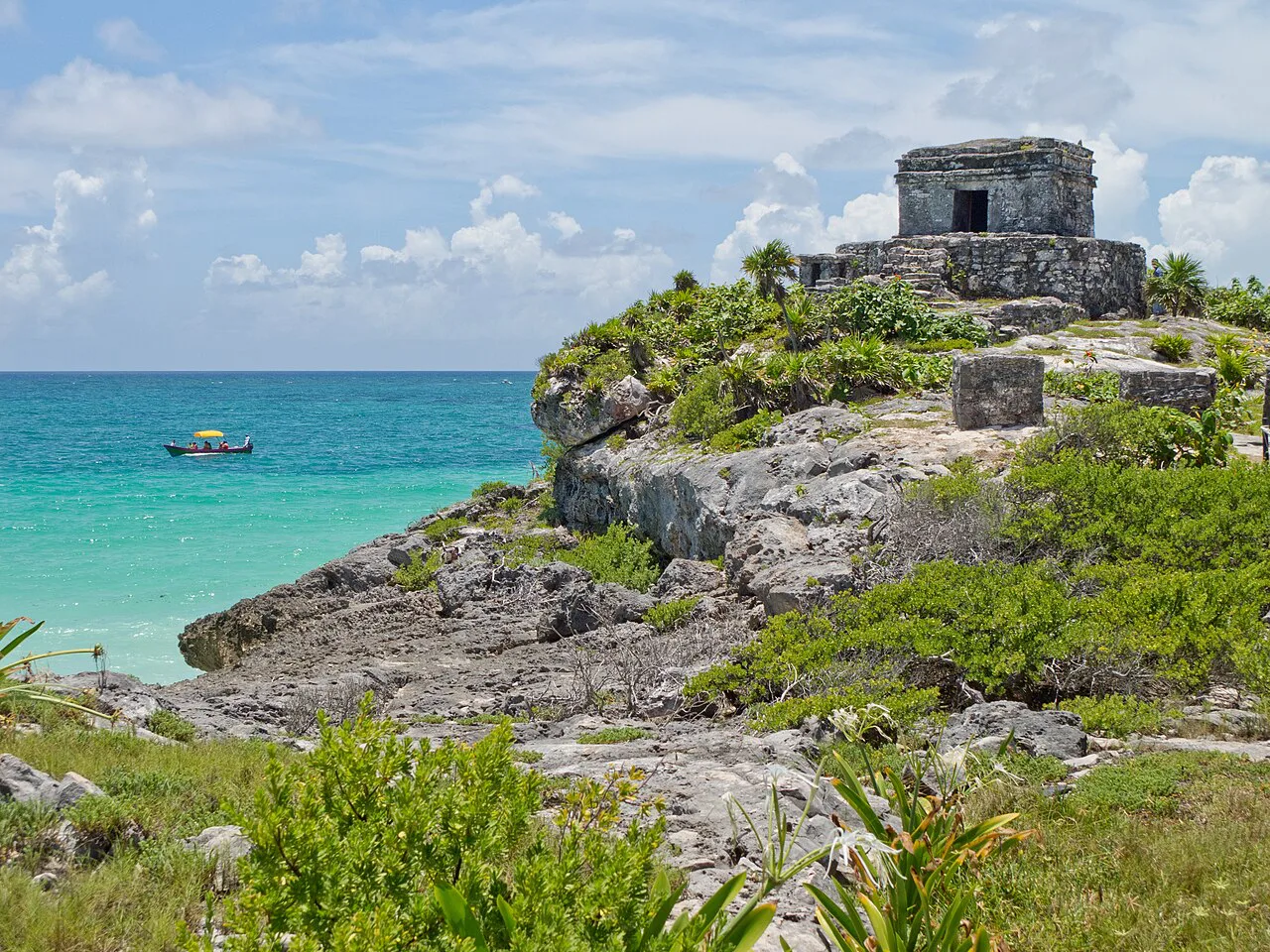
The Tulum ruins: the closest stop and the busiest by mid-morning
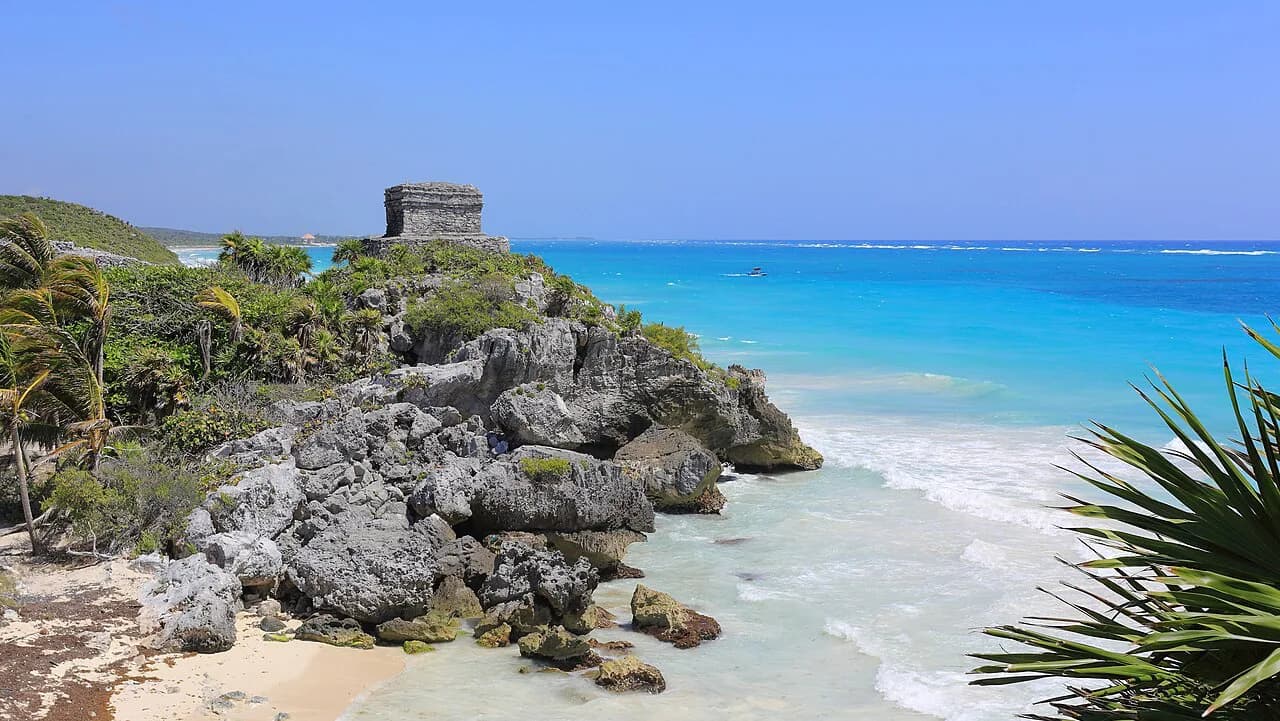
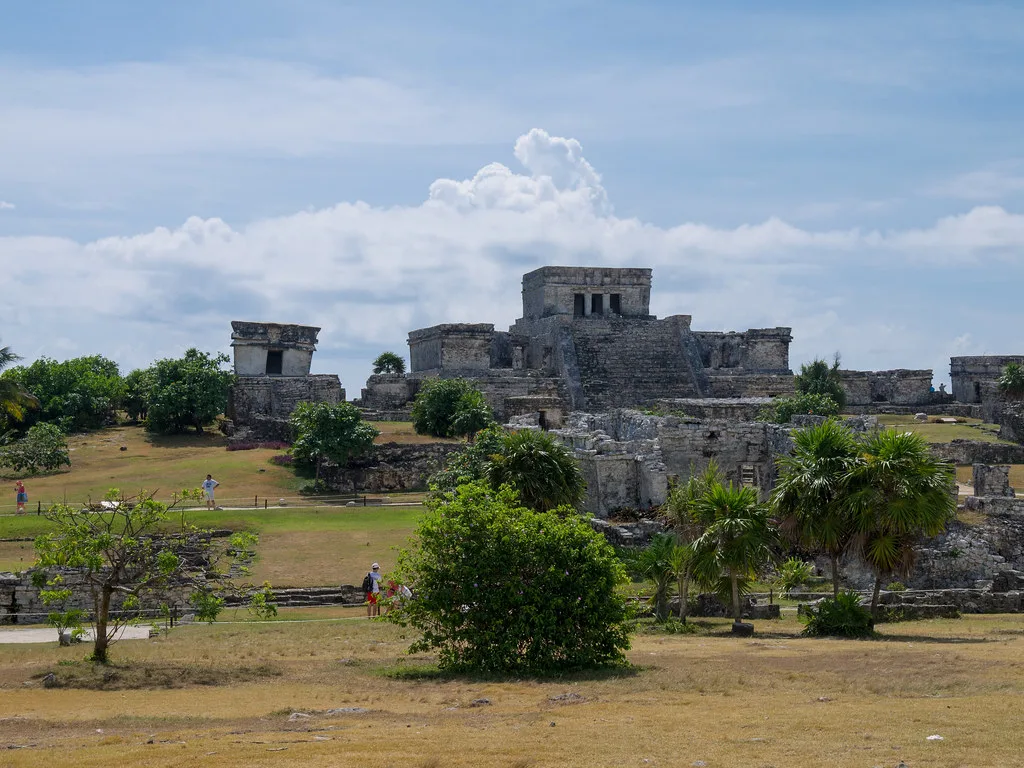
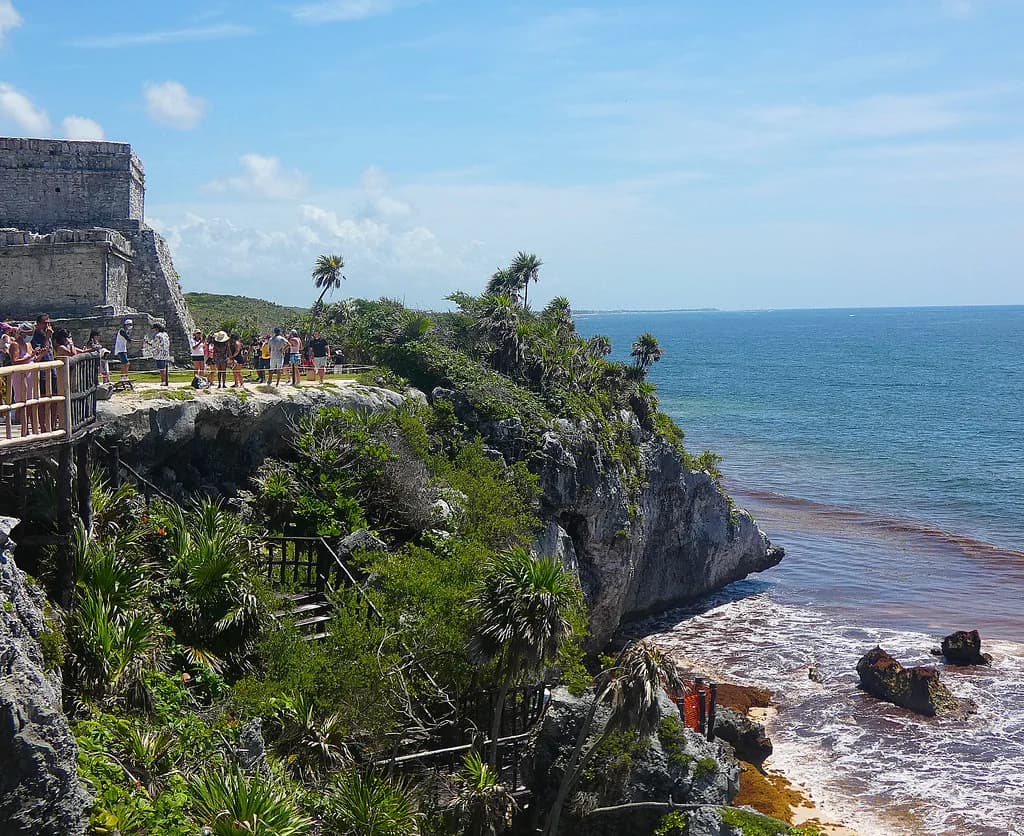
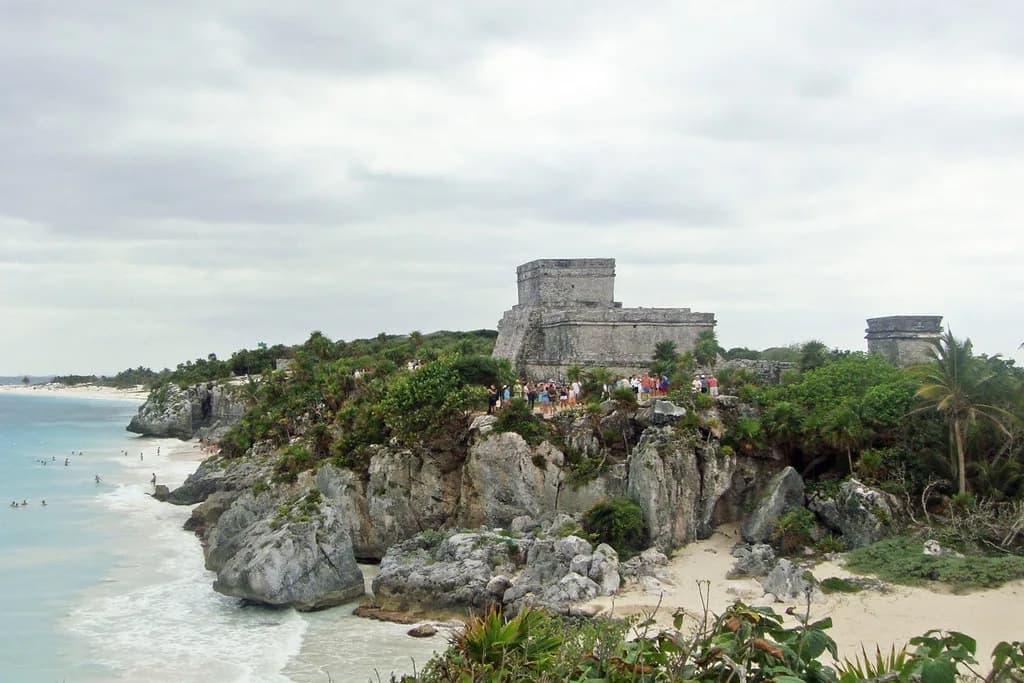
The ruins stand on a cliff above the Caribbean Sea and can be seen in one to two hours depending on how thoroughly you read the signage. Tour buses typically arrive around 9:30 AM, so a visit that starts at the 8:00 AM opening is a different experience from one at ten. Sundays draw extra crowds because Mexican residents get free entry to many historical sites that day.
Skip the guided option if you like to read: signage around the buildings covers the history, and a guide is not required. Wear loose clothing and carry a refillable water bottle, because the site is spread out and mostly unshaded. Plastic bottles are not allowed in and are confiscated at the gate.
Pair the ruins with the beaches below them rather than treating the visit as a standalone stop. The bracelet you buy at the gate also covers day access to Playa Santa Fe, Playa Pescadores, Playa Paraiso and Playa Las Palmas, and walking down from the ruins saves separate beach entry and parking charges. For a wider menu of add-ons, see the Tulum tours options.
Tulum ruins tickets, parking and the beach bracelet
Ticket costs come in stages. The INAH archaeological entry was 95 pesos per person, paid in cash and issued as a receipt; a separate CONAP protected-area fee of 60 pesos bought the bracelet, and that one could be paid by card. Parking added 100 pesos, cash only, at the official lot on the right as you drive down the ruins road.
Bringing a dedicated camera rather than a phone triggers another small fee at the entrance. Buy tickets only at the booths at the ruins, since the site sells nothing legitimate elsewhere. Peso prices change, so treat these figures as a budgeting reference rather than a quote.
There are toilets inside the ruins area, which matters if you plan to continue to the beach afterward on the same bracelet. Budget the fees in cash where the source says cash and keep small bills for the parking window.
Laguna de Kaan Luum: the lagoon with a cenote in the middle
Kaan Luum is a large, clear lagoon with a deep cenote at its center, reached by a wooden boardwalk through jungle, and it works well as a relaxed half day. You cannot swim in the central cenote itself, but swings, hammocks, paddleboards and a viewing tower keep the visit busy. A shower is required before you enter the water.
Entry was 300 pesos, with food and drinks sold on site and restrooms nearby. Mornings run quieter: a 9:00 AM arrival found only a few dozen people, and the visit stretched to three or four hours. The lagoon does not tend to get packed, so it is a reasonable pick when you want water without a cenote crowd.
Cenotes near Tulum: swimming stops versus dive days
Cenotes split into two kinds of outing. Swimming cenotes make easy half-day add-ons to the ruins or the lagoon, and tours often combine a cenote dip with the archaeological zone. Deeper cavern diving is a different commitment that takes a full morning or afternoon with a guide and gear.
For a diving day, El Pit and Dos Ojos deliver two contrasting experiences, one a deep shaft and the other a pair of open basins. A trip with The Cenote Guy ran 160 US dollars and included transport from Tulum, a guide, full gear, weights, lights, tanks and snacks. For swimming-only options, browse the Cenotes Near Tulum.
Cobá: the Maya ruins nearest Tulum and the natural pairing
Cobá is the closest major ruins site to Tulum and the standard second half of a ruins-focused day. Tour companies sell a combined Tulum and Cobá outing, which makes sense because the Tulum site is compact and leaves time for a second stop. Cobá's scale is larger and the day runs longer than a Tulum-only morning.
Do not stack Cobá on top of Chichén Itzá or Bacalar, since each of those already consumes a day with travel. If you have only one ruins day, weigh the cliff-top setting at Tulum against the bigger site at Cobá and pick one. The ruins near Tulum comparison lays out the choices.
Chichén Itzá as a long day from Tulum
Chichén Itzá is the headline ruin of the Yucatán Peninsula and the reason many travelers take a full-day tour from the coast. It appears on Tulum day-trip lists precisely because it is famous, not because it is close, so plan on a long day with early departure and limited time at any other stop.
Treat a Chichén Itzá day as a whole-day commitment and skip the idea of adding a swim or a town stroll at the end. Organized excursions handle transport and timing, which is the practical reason most people choose them over driving. If you want the ruins close to town instead, see the ruins near Tulum guide.
Muyil and the other ruins within easy reach
Muyil belongs to the shorter list of ruins that can be reached within a half day of Tulum. Tour roundups group it with Cobá and Chichén Itzá as the main archaeological options for a day out, and it is a sensible choice when you have already seen the cliff-top site and want something quieter.
Keep expectations about facilities modest and carry what you need: water, sun protection and cash for a gate fee. Hours and entry charges for the smaller sites are worth confirming before you set out.
Bacalar: the Laguna de los Siete Colores
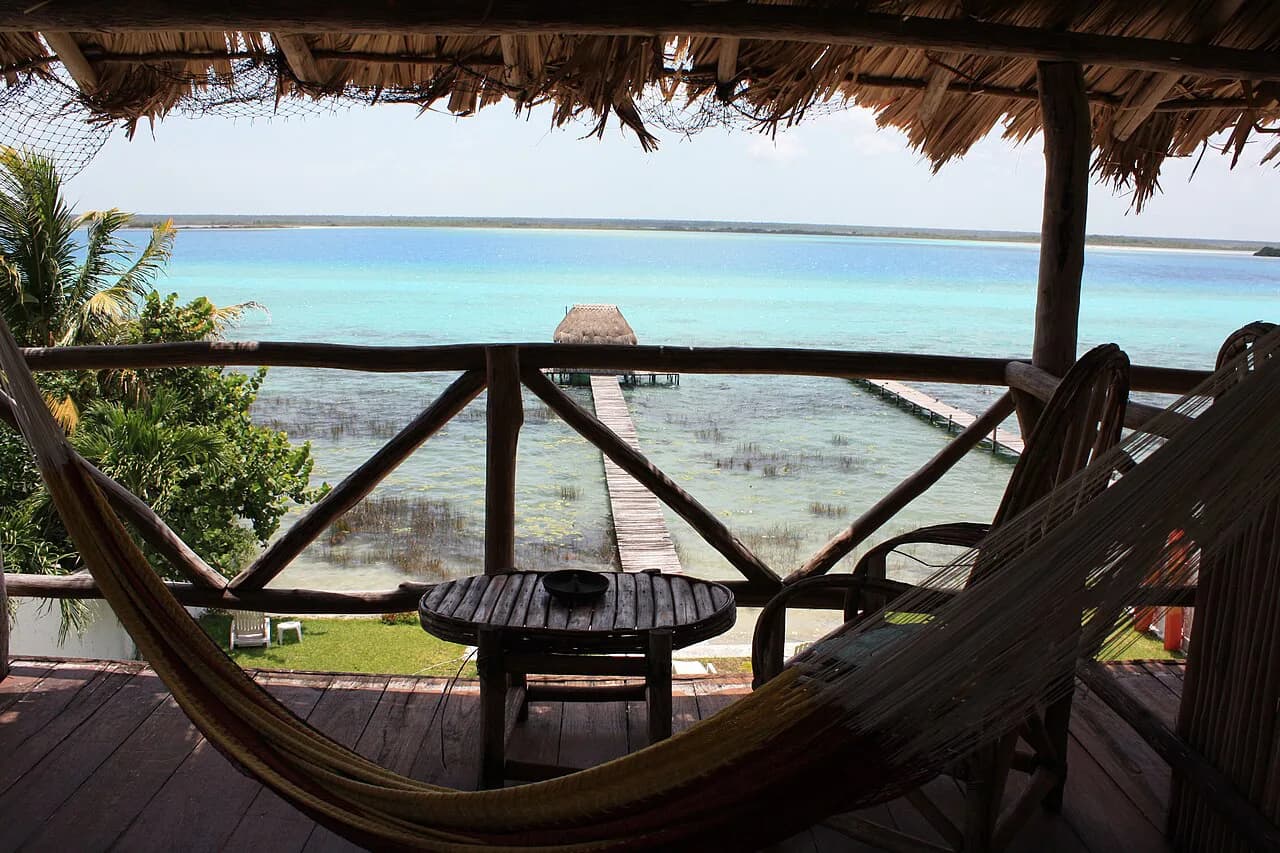
Bacalar's lagoon, known for its bands of blue, is one of the furthest options on a Tulum day-trip list and is regularly described as a full-day destination. The appeal is the water and the slow pace, so it works best as a standalone outing rather than a stop tacked onto a ruins run.
If you are weighing Bacalar against the coast options, ask whether you want a long day in a vehicle for lagoon scenery or a shorter day at Kaan Luum. Travelers planning from the coast often compare notes on which towns and ruins justify the drive, and Bacalar tends to come up for its water rather than its ruins.
Valladolid as an overnight-style day
Valladolid is the colonial town that appears alongside Bacalar and Chichén Itzá in the standard menu of Tulum day trips. Its draw is the town itself, which is why it works better when you can stay into the evening than as a rushed stop. Pairing it with a nearby ruin is the usual compromise.
If a long day on the road is unappealing, treat Valladolid as a base for a night rather than a day trip, and use the saved driving time for the ruins and cenotes between Tulum and the town. The Tulum tours page covers organized options that bundle town and ruins.
Akumal and Cozumel days
Akumal, north along the coast, is a beach-and-turtle stop that tour companies pair with the Tulum ruins and cenotes on a single outing. It suits travelers who want water time without the longer haul to Bacalar. Expect the day to run long once transfers are included.
Cozumel is an island day that requires crossing by ferry, so it eats most of a day on transport alone. It shows up on traveler lists of Tulum- and Playa-area excursions, and guides can be arranged at the destinations themselves. Choose it only if the island is the point of the day.
Short-stay travelers often get more from a half-day ruins and cenote combination than from a ferry crossing. If you are staying north of Tulum, tours run from Cancún and the Riviera Maya to much of the same ground.
Getting there: bus, colectivo, private tour or rental car
Organized tours remove the logistics problem and typically include transport from Tulum, which is why they dominate the longer routes like Chichén Itzá and the dive cenotes. The dive trip to El Pit and Dos Ojos, for example, included transport from Tulum along with guide and gear. That convenience is the trade-off against a fixed schedule.
A rental car gives you the most timing freedom, especially for the 8:00 AM ruins start, and the official parking lot at the ruins takes cash. Tours from Cancún and the Riviera Maya cover much of the same ground if you are staying farther north.
For closer targets, book the tour or drive yourself, and confirm the meeting point and departure time with the operator when you reserve. Schedules and pickup points vary by season, so verify before the morning you travel.
What to wear and carry: heat, shade, water and cash
The Yucatán sun is intense and the ruins offer very little shade, so light cotton clothing, a wide-brimmed hat, sunglasses and sunscreen are baseline gear. Bring a refillable bottle, since plastic is confiscated at the Tulum ruins gate, and pack a swimsuit if the day includes a cenote, the lagoon or a beach.
Carry more cash than you think you need. The INAH ticket and ruins parking are cash-only, the Kaan Luum entry is paid at the gate, and smaller sites may not take cards. Keep small bills separate for parking and bracelet windows.
Matching a day trip to how long you have
With one free day, take the Tulum ruins early and follow with a beach on the same bracelet, or swap the beach for the lagoon. With two days, add Cobá or a cenote swim. Three or more days opens Chichén Itzá, Bacalar or an overnight in Valladolid.
Heat-sensitive travelers should keep afternoons light and put the walking at the ruins first thing in the morning. If you are combining Tulum with a stay farther north, the Cancún day-trip guide covers the northern end of the same coast.
Which Tulum day trip fits your schedule?
Book the Tulum ruins for first thing in the morning with cash for the INAH ticket and parking, then decide between the beach bracelet, Laguna de Kaan Luum or a cenote swim based on how much driving you can stand. Save Cobá, Chichén Itzá, Bacalar and Valladolid for full days, and only pair them when a tour handles the transport.
Confirm gate fees and tour meeting points before you set out, since peso prices and schedules change. Then commit to one solid day rather than squeezing three stops into a single loop.
Explore more Tulum guides
- Cenotes Near Tulum
- Ruins Near Tulum
- The Tulum Lagoon
- Tulum Tours
Frequently Asked Questions
How much does a day trip from Tulum cost?
It depends on the stop: gate fees at the Tulum ruins, lagoon entry and any dive or tour price are charged separately, and organized tours bundle transport and activities into one price. Confirm current fees and tour rates with the operator or at the ticket booth before you commit.
Can you do Chichén Itzá and a cenote in one day from Tulum?
Both appear on Tulum day-trip lists, and combined tours typically link ruins with a cenote swim, but Chichén Itzá is a long haul from Tulum. Budget a full day and check the itinerary carefully so the cenote stop is not rushed.
Do you need a car to do day trips from Tulum?
No. Organized tours include transport to the sites they cover, and the Tulum ruins are the closest stop to town, so you can reach them without a vehicle. A rental car gives you the most control over timing, especially for an early start at the ruins.
Sources
Notes for your next Mexico trip
Optional updates when we add or correct a town guide.
You might also like
Continue reading
More guides you'll find useful