Things to Do in Monterrey: Mountains, Parks and the Old Town
Plan things to do in Monterrey around the mountains, Parque Fundidora, the Santa Lucía river walk, Macroplaza and Barrio Antiguo, plus canyon and cave day trips.
On this page
The mountains around Monterrey are the reason to come, and the city's walkable core of Macroplaza, Barrio Antiguo, Parque Fundidora and the Santa Lucía river walk fills a day on its own. Beyond that, Monterrey splits cleanly into mountains, caves and one full-day trip south to Santiago and Cola de Caballo, and grouping your days that way saves you from crisscrossing a sprawling city. If you are still weighing whether the city earns a slot in your trip, read Is Monterrey Worth Visiting? A Straight Answer for First-Timers.
Downtown Monterrey, Barrio Antiguo and Fundidora sit close enough to link on foot, while Chipinque, La Huasteca and the Grutas de García each need a car or a booked tour. This guide covers what to see in each area, how the pieces connect, and how to build a one-, two- or three-day plan around them, with Shopping in Monterrey covering the central streets and malls if that is on your list.
How the sights fit together
Think of Monterrey in four layers. The historic core around Macroplaza and Barrio Antiguo is compact and walkable, Parque Fundidora anchors the eastern side of downtown, and the Santa Lucía river walk threads between the two. That whole band covers the city sights.
The second layer is the mountain parks. Chipinque is the most accessible part of the mountainous Parque Nacional Cumbres that rises behind the city, and Parque Ecológico La Huasteca sits in a canyon of sheer walls west of the center, where the drive itself is the spectacle.
The third layer is the Grutas de García, a cave system in the surrounding mountains, and the fourth is the trip south to Santiago, a Pueblo Mágico, with the Cola de Caballo waterfall beyond it. Keep the walkable core separate from the car days and you will spend less time in traffic.
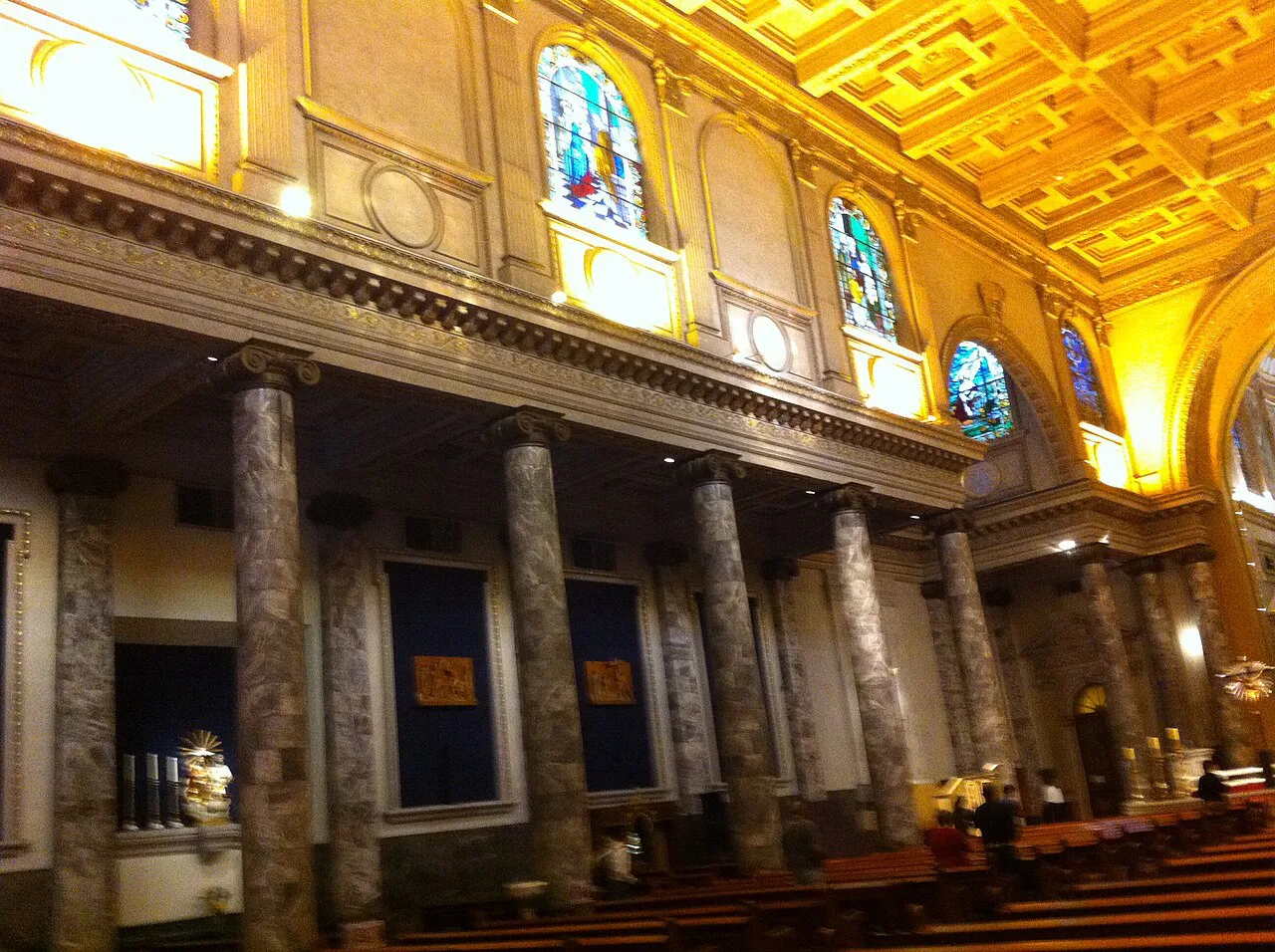
Macroplaza and downtown Monterrey
Macroplaza is the big central square and the natural starting point for a morning on foot. The Zona Rosa entertainment district and the Barrio Antiguo old town sit nearby, and the monumental Basílica de Guadalupe gives the old-town edge a landmark.
Treat downtown as a half-day rather than a destination in itself. The city's draw is the landscape around it, so a quick loop of the plaza and the surrounding streets is enough before you head for the river walk or the hills.
Barrio Antiguo: the old-town blocks
Barrio Antiguo is the most picturesque neighborhood in the center, with blocks of bars, restaurants, cafés and boutiques. It sits within walking distance of the river walk, Macroplaza and downtown, which makes it the best place to base yourself for a short trip built around the city sights.
Walk the old-town blocks once in daylight to get your bearings, then use the neighborhood as your launch point for the rest of the day. If shopping is on your list, the same central streets and nearby malls give you a place to start.
Parque Fundidora and the Museum of Steel
Parque Fundidora is the old industrial park turned public space, and its Museum of Steel, old steel mill and gallery are what remain of the former works. The park also holds a skating rink, a raceway and a theme park, so it works as a couple of hours or a longer block depending on who is with you.
Pair Fundidora with the Museum of Steel on the same visit rather than treating the park as a separate outing, since the mill and museum tell the story of the site in one place. If you want more of the city's museums, contemporary art, music and design collections are covered in museums in Monterrey, a dedicated guide to the city's museum offerings.
The Santa Lucía river walk
The Santa Lucía river walk is the pedestrian link between downtown and Fundidora, and it gives you a car-free way to move between the two. Use it as your route rather than your destination: start at the Barrio Antiguo end, walk east toward the park, and you cover both on one leg.
The walk plus Fundidora is a comfortable half-day, and it pairs naturally with Macroplaza before or after. Set that as your walking day and save the mountain parks for a separate block.
Cerro de la Silla and the city view
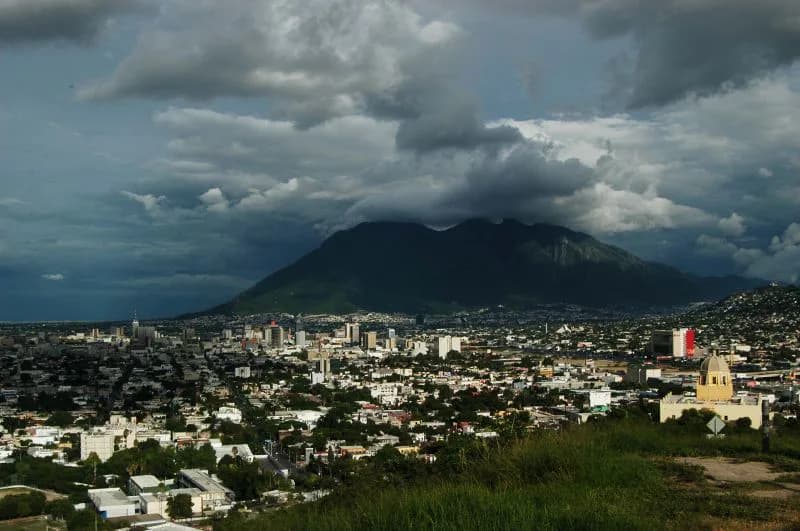
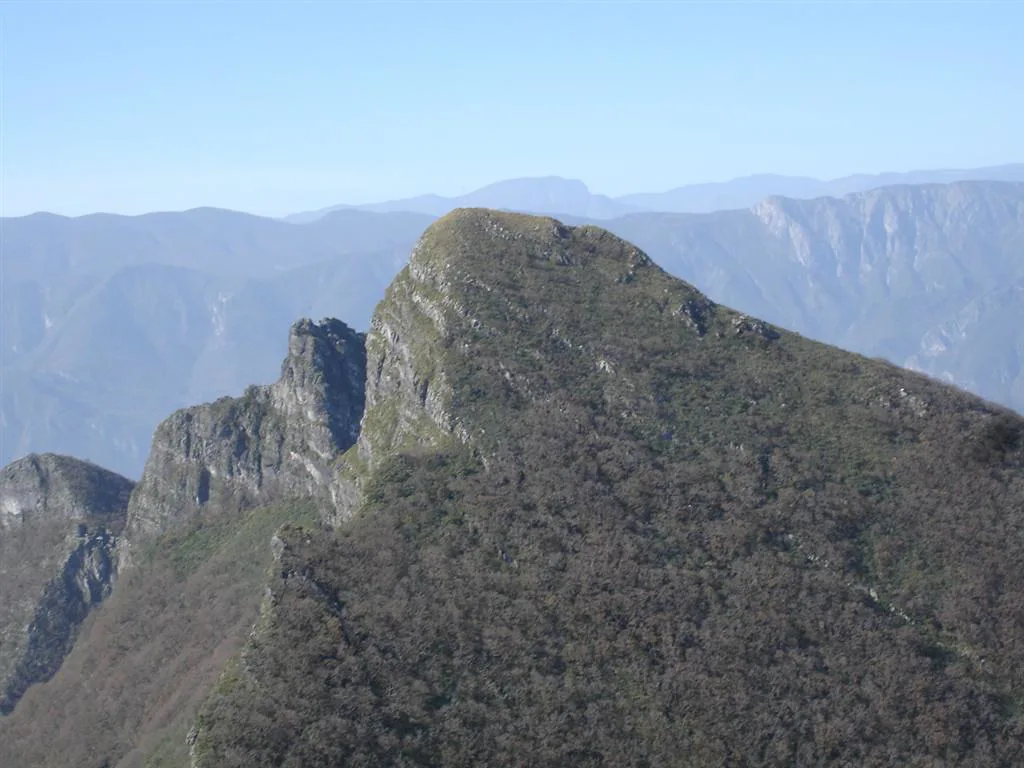
Cerro de la Silla is the jagged mountain that serves as Monterrey's icon, visible from much of the city and framing the Sierra Madre Oriental backdrop. Hikers do set out to climb its four peaks, so the mountain is a real objective rather than just a skyline feature, and it demands a proper block of time.
If a summit push is not your plan, look for the mountain from the central streets and plazas and put your available time into Chipinque instead, which is the easier mountain fix.
Chipinque ecological park
Chipinque is the most accessible part of the mountainous Parque Nacional Cumbres, the range that wraps the city. It is the mountain outing to pick when you want the landscape without committing a full day to a distant trailhead.
Plan Chipinque as a half-day and go early, since the park sits at altitude and the sun hits harder up there than downtown. A car or a booked tour is the practical way in.
Parque Ecológico La Huasteca
La Huasteca is the canyon drive, with sheer, jagged mountain walls rising on both sides of the road through the park. Even without much walking, the drive itself justifies the trip, and the city's tourism board has focused its promotion on the mountains, with trails being developed in the park.
Treat La Huasteca as its own half-day with a vehicle. Check trail conditions and hours with the park directly before you go, and bring sun protection for the exposed canyon roads.
Grutas de García: the cave system
The Grutas de García are a cave system in the mountains outside the city, formed between 50 and 60 million years ago. They are a distinctly different outing from the parks: underground, guided, and best planned as a half-day with transport arranged in advance.
Because the caves sit in the surrounding mountains rather than in town, a car or a booked tour is the practical choice. Ask the operator what the visit includes and how long the round trip runs when you book.
Day trip to Santiago and Cola de Caballo
Santiago is a Pueblo Mágico south of Monterrey, and Cola de Caballo, the waterfall beyond it, is the day trip that pairs with it. This is a full-day commitment, not a city sight, so give it its own slot rather than squeezing it between downtown stops.
Arrange transport before the day itself, since both sit outside the walkable core. A car gives you the most flexibility, and a tour is the alternative if you would rather not drive.
Getting to Monterrey and getting around
Monterrey is the largest city in northern Mexico and is easily reached. Buses run to it from across Mexico and from the United States, it sits a couple of hours from the US border, and direct flights connect it with most mid-sized and major airports in Mexico and the United States, including a roughly ninety-minute hop from Dallas.
On the ground, the split is simple: Macroplaza, Barrio Antiguo, Fundidora and the river walk work on foot, while Chipinque, La Huasteca and the Grutas de García want a car or a tour. If you are skipping the rental, build your days around the walking core and book tours for the mountains and caves.
One, two or three days in Monterrey
With one day, do the walkable core: Macroplaza in the morning, Barrio Antiguo for lunch, then the Santa Lucía river walk east to Parque Fundidora and the Museum of Steel. That gives you the city's historic center and its industrial-park anchor without a car.
With two days, add one mountain block, either Chipinque or La Huasteca, and go early for the heat and sun. With three, keep the walking day, add one mountain park, and give the third day to the Grutas de García, Santiago and Cola de Caballo, or a second mountain park. If you are comparing coastal alternatives before you commit, the cliff divers and fort in this guide to things to do in Acapulco cover a very different kind of city break.
Heat, sun and practical notes
Summers in Monterrey can get very hot, and most visitors prefer autumn and spring for that reason. Whenever you go, build the walking core into the cooler morning hours and keep the afternoon for museums, the river walk or a shaded plaza.
In the mountain parks, altitude and exposure matter more than the city forecast suggests. Carry water, wear sun protection, and start early so you are off exposed roads and trails before the strongest sun.
Which Monterrey day should you book first?
Book the walkable core first: Macroplaza, Barrio Antiguo, the Santa Lucía river walk and Parque Fundidora make the most efficient day and need no car. Add a mountain park second, and treat Santiago, Cola de Caballo and the Grutas de García as full-day commitments for a longer trip.
If you are still deciding whether the city fits your itinerary at all, weigh the mountains against the downtown honestly before you commit days to it.
Explore more Monterrey guides
- Best Restaurants in Monterrey
- Museums in Monterrey
- Shopping in Monterrey
- Is Monterrey Worth Visiting? A Straight Answer for First-Timers
Frequently Asked Questions
Are the Monterrey sights walkable, or do I need a car?
The historic core is walkable: Macroplaza, Barrio Antiguo, the Santa Lucía river walk and Parque Fundidora sit close together and link on foot. Chipinque, Parque Ecológico La Huasteca and the Grutas de García sit in the mountains outside the center and call for a car or a booked tour.
How much time should I give the mountain parks?
Treat each one as a half-day. Chipinque is the most accessible part of Parque Nacional Cumbres, La Huasteca is a canyon drive, and the Grutas de García are a cave visit in the surrounding mountains. Plan one per block rather than trying to combine them.
Sources
Notes for your next Mexico trip
Optional updates when we add or correct a town guide.
You might also like
Continue reading
More guides you'll find useful