Mayan Ruins in Mexico: Which Sites to Visit and How to Plan
Plan Mexico's Mayan ruins with confidence: Chichén Itzá, Tulum, Cobá, Ek Balam, Uxmal and the Puuc route, with what each site is like and how to reach it.
On this page
Two or three Maya sites is the realistic target for a one-week Yucatán trip. Chichén Itzá is the one everyone names, Tulum is the one with the sea view, and Ek Balam, Cobá and Uxmal reward travelers willing to trade a shorter drive for thinner crowds. This guide sorts the main sites by what you actually get on the ground, then covers transport, tickets, heat and the trade-offs that decide which ones you keep.
Most travelers base themselves in Cancún, Playa del Carmen, Tulum or Valladolid, and each base changes which ruins are an easy half day and which are a full-day haul. Renting a car puts the Puuc sites around Uxmal within reach on your own schedule, while organized day tours handle the driving to Chichén Itzá and Cobá.
Which Mayan ruins in Mexico can you realistically fit into one trip
Treat the sites as three clusters rather than one list. The northern Yucatán cluster holds Chichén Itzá, Ek Balam and Valladolid; the Caribbean coast has Tulum and Cobá; and the Puuc Hills south of Mérida hold Uxmal and Kabah. Choosing one or two sites from two clusters gives you range without spending every day on the road.
If you have only three days for ruins, the sensible pairing is Chichén Itzá plus either Ek Balam or the Tulum and Cobá coast day. A week gives you room for a Puuc day out of Mérida as well, which is where the architecture differs most from the famous northern sites. Uxmal is the clearest example of Puuc style, with smooth limestone walls topped by intricate mosaic friezes, and its satellite sites include Kabáh.
Families and travelers who want variety in one outing often combine a ruin with a nearby cenote, since several of the coast and northern sites sit close to swim stops. That pairing is worth planning deliberately rather than assuming your tour includes it, because the entry fees for ruins and cenotes are separate at most sites.
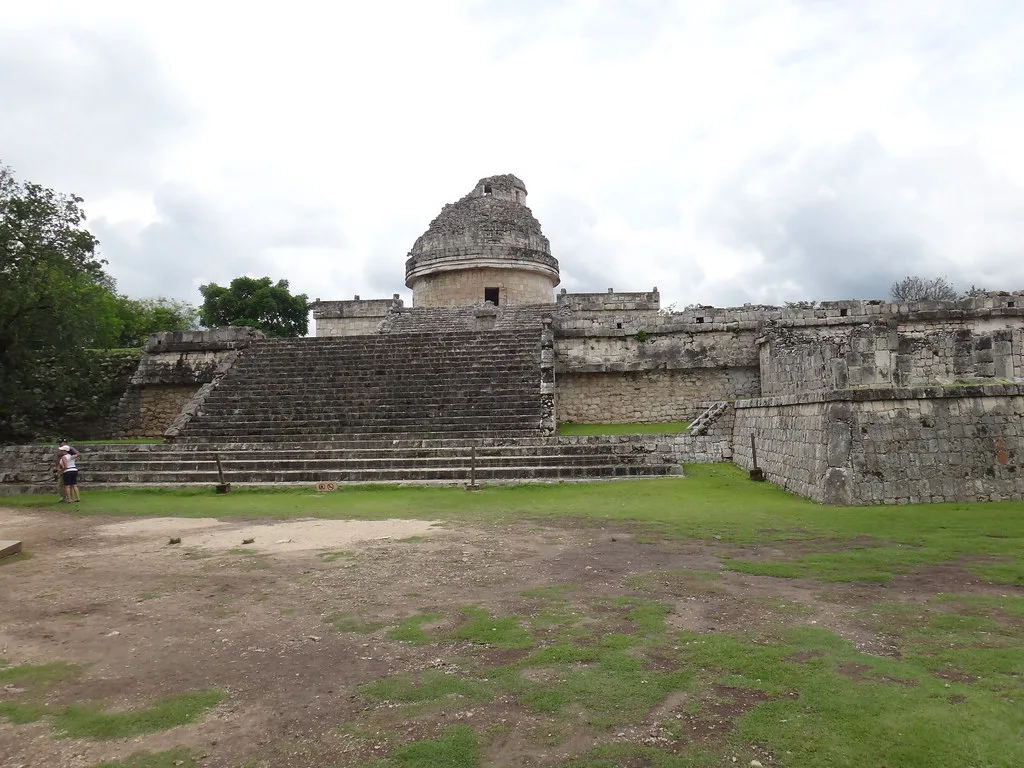
Chichén Itzá: the big pyramid, the crowds and why arrival time matters
Chichén Itzá is the flagship site, built around the restored pyramid of Kukulcán, also called El Castillo, along with a ball court, the Cenote Sagrado and a group of columns. The whole archaeological zone covers at least 5 square kilometers, so budget a couple of hours of walking even if you move briskly. It is a UNESCO World Heritage Site, and a 2024 tour operator describes it as one of the New Seven Wonders of the World.
What were the biggest Mayan cities? The most powerful and populous Classic-period city-states were Tikal, Calakmul, Copán, Yaxchilán and Palenque, all in jungle areas of the southern Maya lowlands. Tikal and Calakmul in particular competed for control of trade routes in the central lowlands, and Calakmul today is one of the largest Maya cities, though much of it remains under dense jungle.
What is Yucatán, Mexico famous for? The Yucatán is known for its Maya archaeological sites, including Chichén Itzá, Uxmal, Ek Balam and Cobá, as well as the Puuc architecture of the hills south of Mérida and the colonial city of Valladolid. Travelers base in Cancún, Playa del Carmen, Tulum, Valladolid or Mérida to reach them, and often pair a ruin with a cenote swim.
Arrival time is the single biggest lever on your visit. One traveler who reached the site at 8 a.m. had the Kukulcán pyramid nearly to themselves and watched the tour buses and souvenir stalls fill the grounds by the time they left around 10 a.m. Midday is when the guides and buses concentrate, so an early start buys you quiet photos and cooler walking.
The site sits near the small town of Piste, roughly 45 kilometers east of Valladolid, which makes Valladolid the natural overnight base if you want that early arrival without a pre-dawn drive from the coast. In 2017, entry was quoted at 240 pesos with a 30-peso parking fee, but fees change, so confirm the current ticket price when you book.
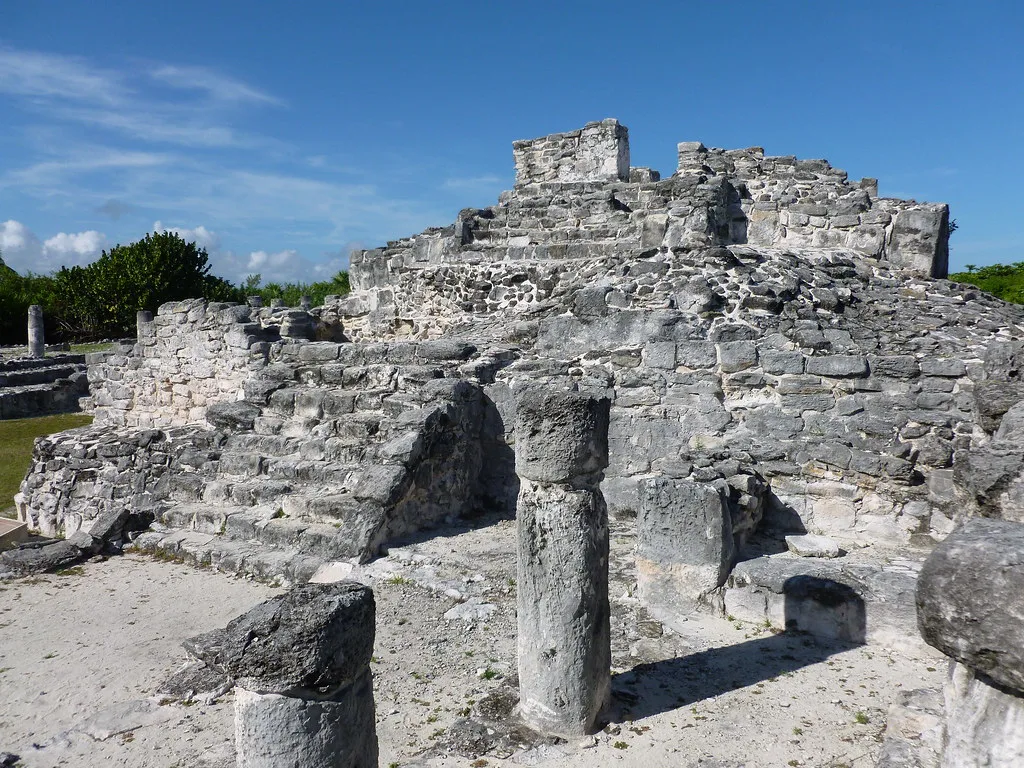
Tulum ruins: the clifftop setting and what the site itself offers
Tulum's draw is location: the ruins sit above the Caribbean with their own stretch of white sand below, which makes it the most photogenic site on the coast. The structures themselves are modest compared with Chichén Itzá or Uxmal, and the crowds drawn by that setting can dilute the experience. Go for the view and the compact walk, not for monumental architecture.
Because Tulum sits on the Riviera Maya corridor, it pairs easily with a beach afternoon or a cenote stop rather than eating a whole day. A half-day tour from the coast hotels is the low-effort option, and organized excursions list Tulum separately from Chichén Itzá and Cobá so you can pick the combination that suits you.
Cobá: the tallest pyramid and what has changed about climbing
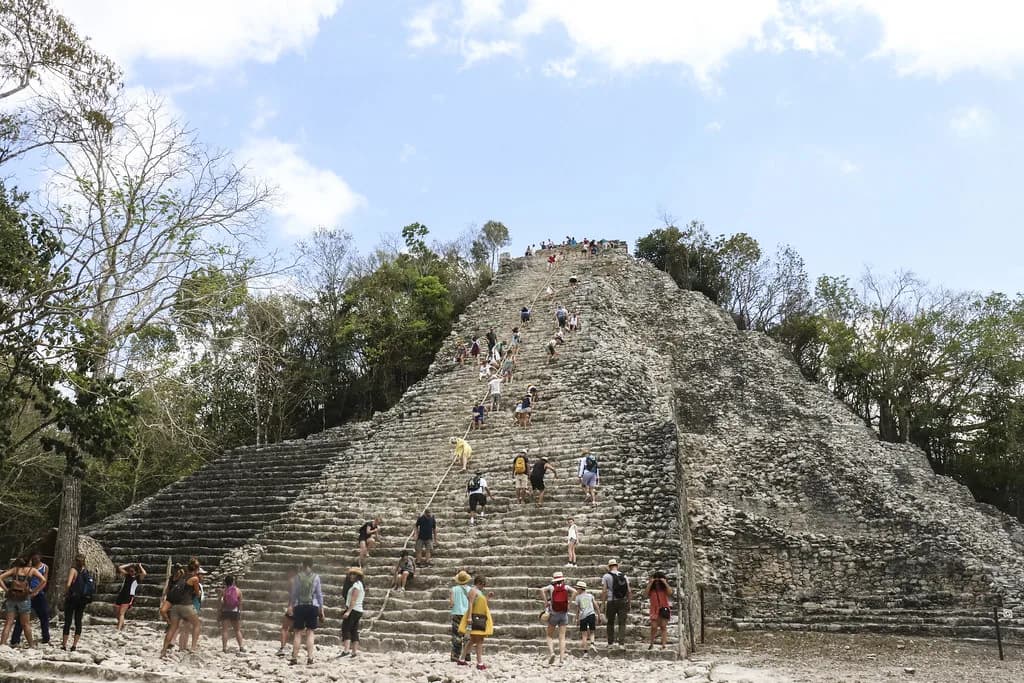
Cobá spreads through jungle around Ixmoja, the tallest temple pyramid in the group, and the scale of the site is part of the appeal. The ruins are often sold as a full-day outing or a shorter express version, and many itineraries pair Cobá with a cenote swim. The city is about a thousand years old and covers enough ground that you should plan on walking or renting a bike on site.
Climbing at Cobá has changed over the years, so do not book on the assumption you will scale Ixmoja. Ask the operator directly what access is allowed the week you travel, and choose the site for its jungle setting and scale rather than for a summit view.
Ek Balam: the Acropolis, the stucco details and the quieter visit
Ek Balam sits about 30 kilometers from Valladolid, close enough to combine with a Rio Lagartos or Las Coloradas run. The site covers 12 square kilometers with 45 buildings, and the Acropolis rises around 30 meters. Its Chenes-style tomb holds remarkably intact stucco work, which is the detail that justifies the detour.
The trade-off here is scale versus quiet. Ek Balam draws a fraction of Chichén Itzá's visitors, so you can take your time with the carvings and the view from the top of the Acropolis rather than shuffling along in a group. In 2017, entry was listed at 218 pesos, and you should check the current fee before you set out.
Uxmal and the Puuc route: Uxmal, Kabah and doing both in a day
Uxmal is the architectural high point of the Puuc Hills, roughly 80 kilometers south of Mérida, with the rounded Pyramid of the Magician, also called the Casa de Adivino, rising almost 40 meters. The site covers about 150 acres and every major building carries Puuc decoration. In 2017, the evening light-and-sound show cost 92 pesos and told its story in Spanish with no translation, which is worth knowing before you commit an evening to it.
Kabah lies about 20 kilometers from Uxmal, so the two make a natural single day. Kabah is known for a palace covered in stone masks of the long-nosed rain god Chaac, and the Arch of Kabah stands across the road among unrestored mounds. In 2017, entry to Kabah was 50 pesos, a modest add-on to the Uxmal ticket.
Plan the Puuc day around shade and heat, because much of both sites is open ground. Kabah is compact and quick; Uxmal takes longer and has more to see, so start at Uxmal in the morning and finish at Kabah on the way back toward Mérida. This is one of the few ruin days where a rental car clearly beats a tour.
How the sites compare on setting, structures, climbing and crowds
On setting, Tulum wins for the sea, Palenque for jungle scenery, and Uxmal for open Puuc landscape. On structures, Chichén Itzá and Uxmal carry the monument count, while Tulum and Kohunlich are smaller sites with strong atmosphere. If you want a climb, treat it as the exception: Ek Balam's Acropolis was climbable and gave a wide view in 2017, and Cobá's rules have changed, so verify before you plan around a summit.
On crowds, the pattern is simple: the sites closest to Cancún and the cruise ports fill first, and the inland sites stay quiet. Chichén Itzá gets the tour buses by mid-morning, Tulum's setting draws steady traffic, and Kabah and Kohunlich can feel nearly empty. Match your tolerance for people against your tolerance for driving time.
Mexico's Maya sites are distinct from the central Mexican archaeological zones, which belong to different cultures and different building styles. If your trip also covers Mexico City, the pre-Hispanic sites of Teotihuacan and the great pyramid of Cholula are separate stops with separate logistics, and they should be planned as their own day rather than folded into a Yucatán itinerary. The Aztec Ruins guide covers a different set of sites again.
Getting to each site: rental car, tour bus, ADO bus and day tours from Cancún, Playa del Carmen and Tulum
Self-driving is the most flexible option for the Puuc route and for reaching Ek Balam early. A rental car made every Maya site on one 2017 Yucatán circuit easy to reach, and it lets you set your own arrival time at Chichén Itzá. The costs to weigh are tolls, fuel and parking, plus the fact that you cannot both drive and nap on the way back.
From the coast, organized day tours remove the driving and usually bundle transport with entry and a guide. In 2024, Cancun Adventures listed a Tulum ruins tour, a Cobá-and-cenote tour and a Chichén Itzá tour as separate products with their own durations and minimum ages, so compare what each one actually includes before you book. ADO buses serve the main towns and make sense if you are basing in Valladolid or Mérida, where you can pick up a local tour or colectivo for the last stretch.
Base-town choice drives the rest. Cancún and Playa del Carmen put Chichén Itzá, Tulum and Cobá within day-trip range; Tulum shortens the coast runs; Valladolid puts Chichén Itzá and Ek Balam close; and Mérida is the launch point for Uxmal and Kabah. Pick the base that matches the sites you care about most rather than trying to cover all of them from one hotel.
What tickets and tours include, and how peso prices work
Ruin tickets are usually quoted per person in pesos, with parking charged separately where you drive. Tour prices are usually quoted per person in US dollars and may or may not include the archaeological zone entry, so read the inclusion list rather than the headline price. The 2017 figures cited above (240 pesos at Chichén Itzá, 218 at Ek Balam, 50 at Kabah, 92 for the Uxmal show) are historical and should be treated as a rough sense of scale, not a budget line.
Bring cash in pesos for entry windows, parking and cenote fees. Card acceptance at small ticket booths varies, and a peso buffer keeps a cheap add-on like Kabah from becoming a detour back to an ATM. Many sites sell tickets at the gate, but group tours often prepay, so check which line you are joining.
Ruins beyond the Yucatán: Palenque, Calakmul and Kohunlich
Palenque is the southern standout, set in dense jungle with impressive structures, and it demands real route planning rather than a casual stop. It is not a day trip from Cancún; you fly or bus into Chiapas and build the visit into a southern loop. Travelers who make the effort tend to rank it among the most atmospheric sites in Mexico.
Calakmul is one of the largest Maya cities, but most of it remains under jungle canopy, with pyramids pushing through the trees. That makes it a different kind of visit: fewer restored plazas, more sense of a city swallowed by forest. It sits in a biosphere reserve, so plan the drive and your day length conservatively.
Kohunlich is the sleeper. It is close in size to Tulum and feels like a set of ruins placed in a lush park, with the Temple of the Masks carrying huge stucco faces dating to around 500 A.D. It sits in southern Quintana Roo near the Belize border, which makes it a natural stop on a Chetumal or Bacalar route rather than a Cancún day trip.
Practical points: heat, shade, walking distances and cash for fees
Most sites are open ground with limited shade, and heat is the factor that most often shortens a visit. One traveler cut a Kabah exploration short because of the heat, and heat is a fair reason to start early or split a day into two shorter outings. Carry water, wear a hat and treat midday as a rest period rather than a sightseeing window.
Walking distances matter more than they look on a map. Chichén Itzá covers at least 5 square kilometers and Uxmal about 150 acres, so comfortable shoes and a realistic time budget do more for your day than any single tip. Bring small peso notes for parking, cenote entry and drinks at the gate.
Which ruin day should you book first?
Book Chichén Itzá first and lock in an early arrival, because timing shapes that visit more than anything else. Then pick your second site by base town: Ek Balam if you are near Valladolid, the Tulum and Cobá pair if you are on the coast, or Uxmal and Kabah if Mérida is on your route. If your trip also includes central Mexico, keep the pyramids in Mexico separate from the Maya sites and plan them as their own day.
Before you go, confirm current entry fees and tour inclusions directly with the site or operator, since the peso figures here reflect the years cited. Carry cash, start early, and leave one afternoon unscheduled for heat and traffic.
Explore more Mexico guides
- Aztec Ruins
- Great Pyramid of Cholula
- Pyramids in Mexico
- Riviera Maya
- Yucatán Peninsula
Frequently Asked Questions
What were the biggest Mayan cities?
The most powerful and populous Classic-period city-states were Tikal, Calakmul, Copán, Yaxchilán and Palenque, all in jungle areas of the southern Maya lowlands. Tikal and Calakmul in particular competed for control of trade routes in the central lowlands, and Calakmul today is one of the largest Maya cities, though much of it remains under dense jungle.
What is Yucatán, Mexico famous for?
The Yucatán is known for its Maya archaeological sites, including Chichén Itzá, Uxmal, Ek Balam and Cobá, as well as the Puuc architecture of the hills south of Mérida and the colonial city of Valladolid. Travelers base in Cancún, Playa del Carmen, Tulum, Valladolid or Mérida to reach them, and often pair a ruin with a cenote swim.
Sources
Notes for your next Mexico trip
Optional updates when we add or correct a town guide.
You might also like
Continue reading
More guides you'll find useful