Mexico Destinations Compared: Beach, City, Ruins or Colonial Town
Compare Mexico destinations by trip style: Cancún and Cabo beaches, Mexico City and Oaxaca culture, Tulum ruins, and Mérida or Valladolid bases.
On this page
Choose Mexico by trip type first: a Caribbean beach base at Cancún or Playa del Carmen, a Pacific beach town at Puerto Vallarta or Sayulita, a big city with museums and markets in Mexico City or Oaxaca, ruins at Teotihuacán or Chichén Itzá, or a colonial base such as Valladolid. Each choice sets your transport, your day trips and how much walking you do. For the Caribbean pair, see Cancún vs Playa del Carmen; for the Pacific, compare Puerto Vallarta and Cancún; for city logistics, read our getting-around guide for Mexico City.
The pairing matters as much as the place. A Yucatán Peninsula trip links Cancún, Playa del Carmen, Tulum and Valladolid by bus; a central Mexico trip links Mexico City with Oaxaca; a Pacific trip links Puerto Vallarta with Sayulita or Cabo San Lucas. The sections below compare each group on what you see, how you get between them and what each base gives you for day trips.
What kind of trip each destination suits
Beach trips split into two coasts. The Caribbean side gives you Cancún, Playa del Carmen, Tulum, Isla Mujeres, Holbox, Bacalar and Cozumel, with white sand and clear water as the main draw. The Pacific side gives you Cabo San Lucas, Puerto Vallarta and Sayulita, where the water and the town layout feel different from the Caribbean. For the Cabo side, our Cabo San Lucas vs San José del Cabo guide covers the two towns of Los Cabos.
City trips center on Mexico City and Oaxaca City, both described as vibrant, bustling places with strong food and culture, while Mérida appears as a city with colonial character. Tequila is a small town built around its namesake drink, and San Miguel de Allende is a colonial town in Guanajuato. If you want ruins, the big names are Chichén Itzá, Teotihuacán, Palenque and the Tulum ruins, each with a nearby town to base in.
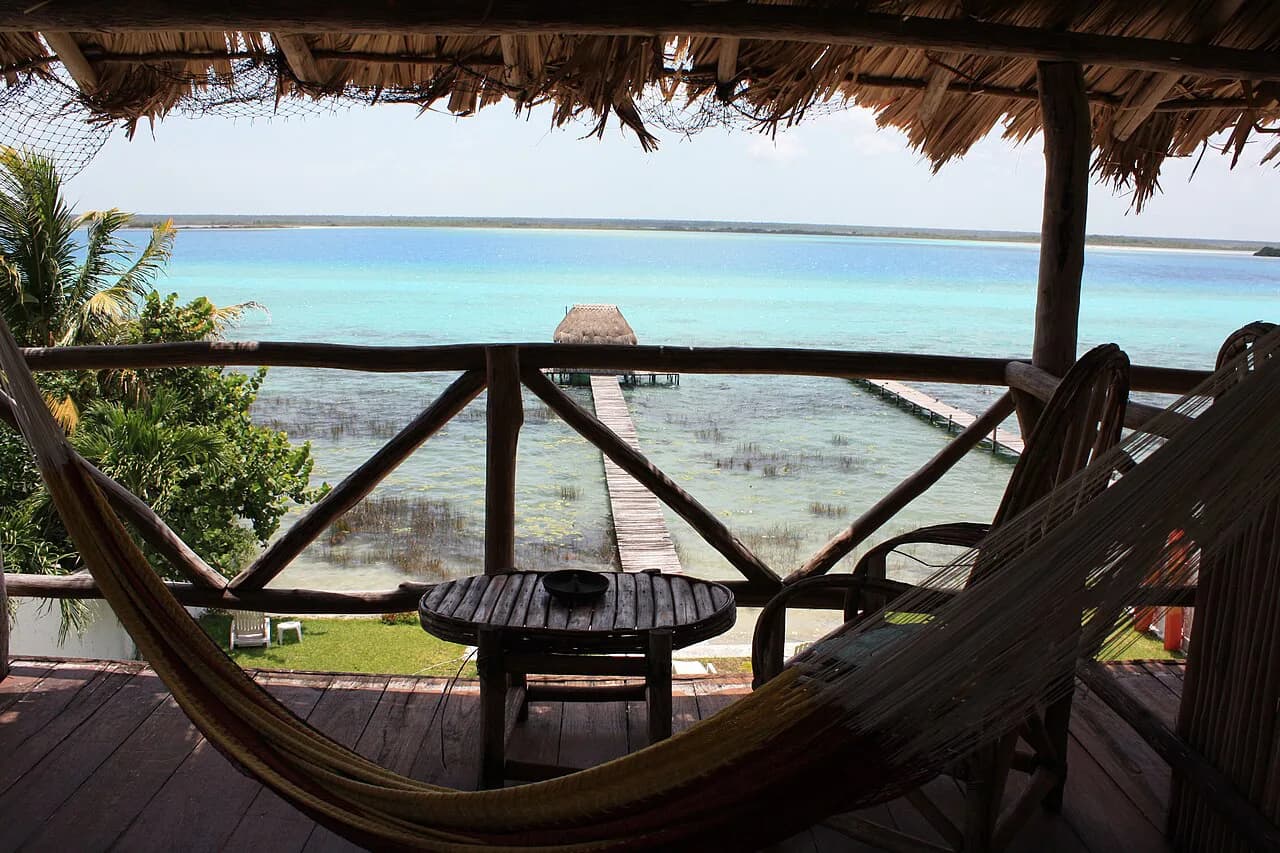
Islands and lagoon towns are their own category. Isla Mujeres sits off Cancún and is reached by ferry, Holbox is a separate island escape, and Bacalar is a lagoon destination in Quintana Roo. These work as add-ons to a mainland base rather than as a first stop on a short trip, because ferry and transfer time cuts into the days you have.
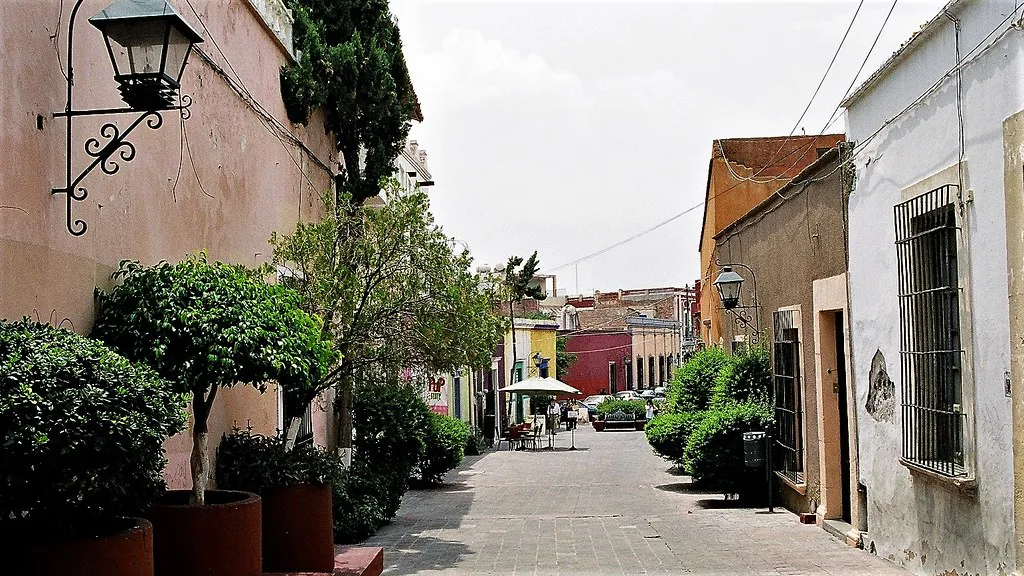
Beach and resort destinations compared: Cancún, Cabo, Puerto Vallarta, Playa del Carmen, Tulum, Sayulita, Isla Mujeres, Holbox, Bacalar and Cozumel
Cancún is the easiest beach entry point: Cancún International Airport (CUN) receives direct flights from dozens of major cities in North America and Europe and sits about 15 kilometers southwest of the hotel zone. From there, taxis, shared shuttles and rental cars reach the hotels. Cancún also works as a base for day trips to Isla Mujeres, Chichén Itzá, the Tulum ruins and nearby cenotes such as Dos Ojos and Ik Kil. To weigh it against Tulum first, see Cancún vs Tulum.
Playa del Carmen sits south of Cancún on the same coast and pairs beaches with easy day trips, which makes it a good middle base between Cancún and Tulum. Tulum combines the clifftop Tulum ruins with cenote country, so a stay there trades city conveniences for ruins and swimming holes within reach. Cozumel is reached by ferry and is known for the reef offshore, while Isla Mujeres is a shorter ferry hop from Cancún with Punta Sur at the island's eastern tip.
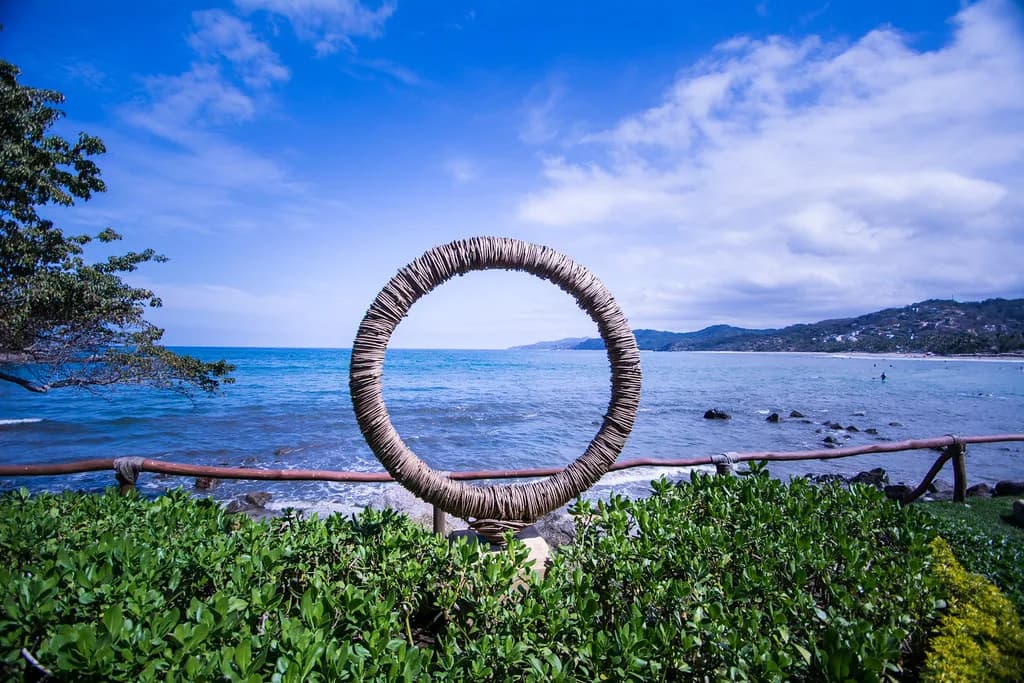
On the Pacific side, Cabo San Lucas occupies the southern tip of the Baja California peninsula in Baja California Sur, with calm, clear water and the Arch rock formation offshore. Puerto Vallarta mixes culture with its beaches, and Sayulita, north of Puerto Vallarta in Nayarit, is a relaxed surf town where you can walk the streets and eat well. Cabo and Puerto Vallarta differ most in setting: desert coastline versus a green, walkable beach city.
Holbox and Bacalar suit travelers who want water without a resort strip. Both appear among Mexico's quieter beach destinations, and both reward a slower pace over a packed itinerary. If you are weighing a big resort town against a small one, compare the transfer time from the nearest airport before you book, since that is what eats into a short trip.
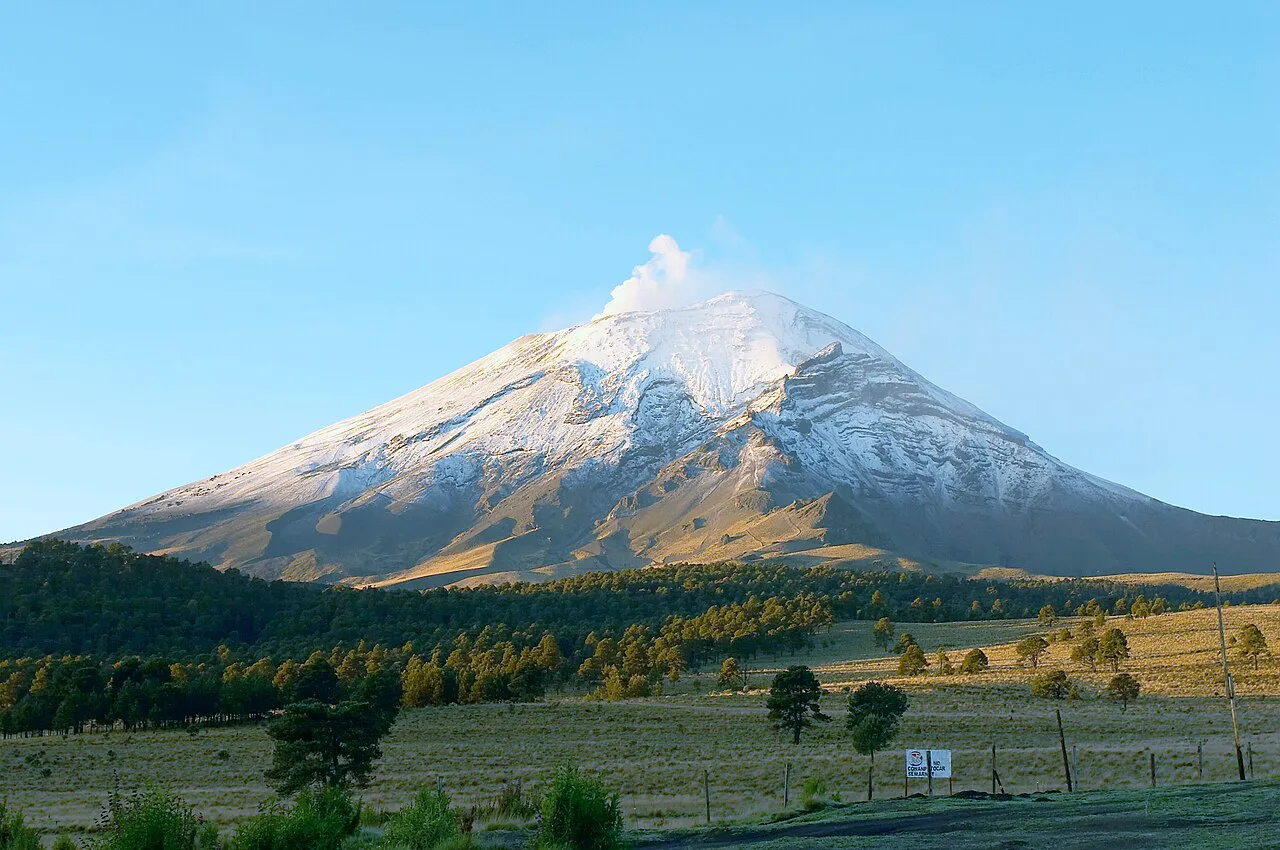
Big cities compared: Mexico City, Oaxaca City, Mérida and Guadalajara
Mexico City is the biggest and most layered option, with museums and food as the main draws and neighborhoods such as Coyoacán and the Zócalo as anchors for a day of walking. Oaxaca City is smaller and centered on culture, cuisine and tradition, with markets and a compact center that is easier to cover on foot. Pick Mexico City for volume and variety, Oaxaca for a slower, food-led trip.
Mérida sits in the Yucatán Peninsula and combines colonial architecture with access to ruins and cenotes, which makes it a useful city base rather than a standalone stop. Guadalajara and nearby Tequila pair urban food with a day trip into agave country. If your trip is city-focused, a week covers two cities without feeling rushed.
Ruins and archaeological sites compared: Chichén Itzá, the Tulum ruins, Teotihuacán and Palenque
Chichén Itzá is the Yucatán's headline ruin, and Valladolid is the colonial town closest to it for an overnight base. The Tulum ruins sit on the cliff above the sea, so you can pair them with a beach afternoon rather than a full day. Teotihuacán, with the Pyramid of the Sun, works as a day trip from Mexico City, and Palenque sits in Chiapas near San Cristobal de las Casas for travelers heading south.
The trade-off at the major sites is crowds and tour buses, which build through the middle of the day. Arriving at opening time is the standard fix, and staying overnight in Valladolid rather than day-tripping from Cancún buys you an earlier start. Check ticket windows and site hours on the official listing before you commit to a day.
Hotel zone versus downtown in Cancún and Playa del Carmen
Cancún's hotel zone runs along the Caribbean and holds most of the resorts, with direct beach access and pools on site; downtown Cancún is where local restaurants and everyday services cluster, a taxi ride from the sand. Playa del Carmen is more compact, with the beach within walking distance of much of the town center. If you want to walk to dinner, Playa is easier; if you want a resort bubble, Cancún's hotel zone delivers it.
The downtown choice affects your day trips too. Staying downtown in Cancún means longer rides to the hotel-zone beaches but easier access to the bus terminal for Chichén Itzá and Valladolid. Staying in the hotel zone reverses that. Decide which you will do more of before you book.
Getting around and between destinations
Long-distance buses are the workhorse for Yucatán travel: Cancún, Playa del Carmen, Tulum and Valladolid are linked by comfortable coach services. Rental cars suit the Pacific coast and ruins-hopping, but parking in Mexico City and Oaxaca is a hassle. Domestic flights make sense for long jumps such as Cancún to Mexico City or Mérida.
Ferries connect Cancún with Isla Mujeres and Playa del Carmen with Cozumel; buy tickets at the terminal and check the current schedule there rather than relying on an old printout. Within cities, the Metro covers Mexico City, while taxis and ride-hailing fill the gaps elsewhere. Carry pesos for colectivos, cenote entries and small taquerías, since card acceptance drops outside the resorts.
Which destinations combine well in one trip
The Yucatán Peninsula is the easiest region to chain: Cancún, Playa del Carmen, Tulum, Valladolid, Chichén Itzá and Mérida all sit on one bus network, with Isla Mujeres and Holbox as island add-ons. Central Mexico pairs Mexico City with Teotihuacán and Oaxaca, though the Mexico City to Oaxaca leg is a long drive or a short flight. The Pacific coast links Puerto Vallarta, Sayulita and Cabo San Lucas, but Cabo is far enough north in Baja that it usually gets its own trip.
Three regions in one trip is one too many for most travelers. Pick one region plus a city, and add islands only if you have ten days or more. This keeps transfers short and leaves room for the ruins, markets and beaches that made you choose Mexico in the first place.
How to choose with one week versus two
With one week, pick one region and one base: Cancún or Playa del Carmen for the Caribbean, Puerto Vallarta for the Pacific, or Mexico City for culture with a Teotihuacán day trip. A second base costs you a travel half-day, which is a big slice of seven days. With two weeks, you can add a second region or a ruin-focused loop such as Mexico City, Oaxaca and Palenque, or Cancún, Valladolid and Mérida.
Write the itinerary as a list of nights, not a list of places. Two nights in a place with a long transfer on either side is a wasted stop; three nights is the minimum for a base you actually want to explore. Group ruins near a single overnight town so you are not backtracking.
Matching the destination to the traveler
Families tend to do best at Cancún or Playa del Carmen, where resorts handle meals and the beach is at the door, and where day trips to cenotes and Isla Mujeres are short. Couples often prefer Sayulita, Holbox or Bacalar for a quieter pace, or Oaxaca for food and markets. Culture-focused travelers should build the trip around Mexico City, Oaxaca and Mérida, with ruins as day trips.
On a budget, favor buses over flights, eat at markets and taquerías, and choose a mainland base over an island. Walking a city center costs little, which suits Mexico City and Oaxaca better than a resort zone. Peso prices for entries and transport change, so confirm at the ticket window or terminal on the day.
Common planning mistakes
The most common error is overpacking the itinerary: four cities in seven days leaves you in transit more than in the place you came to see. The second is picking a base far from your day trips, such as staying in Cancún's hotel zone when your ruins and cenote days leave from Valladolid or Tulum. The third is booking beach time without checking access, since some stretches in Cancún are reached through the hotel zone rather than from downtown.
A last practical point: choose pesos over dollars for everyday spending, and keep small bills for colectivos and cenote entries. Confirm ferry times and ruin hours at the source closest to you on the day rather than from a photo of a sign posted years ago.
Which Mexico destination fits your trip?
If you want a beach trip with easy flights and day trips, start with Cancún or Playa del Carmen. If you want food, museums and markets, choose Mexico City or Oaxaca. If ruins are the reason for the trip, base in Valladolid for Chichén Itzá or Mexico City for Teotihuacán, and add a colonial town such as Mérida or San Miguel de Allende only if the calendar allows a third stop.
Build the trip around one region and one or two bases, then add islands or ruins as day trips rather than as separate stops. That single decision solves most of the itinerary problems in this guide before you book a single bus ticket.
Explore more Mexico guides
- Cabo San Lucas vs San Jose del Cabo
- Cabo vs Cancún
- Cabo vs Puerto Vallarta
- Cancún vs Playa del Carmen
- Cancún vs Tulum
- Los Cabos vs Cancún
- Puerto Vallarta vs Cancun
Sources
Notes for your next Mexico trip
Optional updates when we add or correct a town guide.
You might also like
Continue reading
More guides you'll find useful