Pueblos Mágicos: What the Designation Means and Where to Go
Pueblos Mágicos is a Mexican government tourism designation for towns with history, crafts and scenery. Learn what it covers and which towns fit your route.
On this page
A Pueblo Mágico is a town the Mexican government has named for its symbols, legends, history and local attractions, and the label is a tourism program rather than a ranking of beauty. That matters when you read a "best Pueblos Mágicos" list: the towns on it hold a federal designation, and the order usually reflects the writer's taste. This guide explains what the designation covers, why published counts differ, and which designated towns fit routes US travelers already book.
You will not find ticket prices, opening hours or bus timetables here, because those change and belong on each town's own page. What you get instead is a decision framework: town or city, day trip or overnight, and which towns sit close enough to a major destination to slot into a trip you have already planned.
What a Pueblo Mágico Actually Is
The Secretaría de Turismo, Mexico's federal tourism ministry, describes a Pueblo Mágico as a place with symbols and legends, a town with history that in many cases has been the setting for events of national importance. The ministry frames the program as a way to revalue towns that already live in the national imagination and to offer visitors alternatives beyond the big resorts. Nothing in that definition says one designated town outranks another.
The program promotes visiting small towns and rural areas where visitors may see indigenous crafts, landscapes and other attractions. Treat the label as a signal that a place has a documented tourism offer, not as a promise that it will charm you personally. A town with a famous craft tradition may still have one plaza and two hours' worth of things to do.
Who Runs the Program and What the Label Does Not Cover
The designation comes from the federal tourism ministry, which maintains the program and publishes the roster of designated towns. It is a promotional and planning tool for national and foreign visitors, not a quality score, a hotel rating or a conservation status. A town can hold the label and still have uneven sidewalks, limited English and a single ATM.
What does Pueblo Mágico mean in English? It translates as "Magic Town." The Mexican tourism ministry uses it for towns it has designated under a federal program because of their symbols, legends, history and local attractions, including crafts and landscapes. It is a tourism label, not a quality score.
Is a Pueblo Mágico different from a regular Mexican town? The designation means the town has been recognized under the federal tourism program and promoted to national and foreign visitors. In practice, you will often find a compact historic center, a craft tradition or a striking setting, but the label says nothing about hotel quality, English spoken or ease of transport.
How many Pueblos Mágicos are there? Counts differ by source and date. A December 2020 Secretaría de Turismo page presents 132, while the Pueblos Mágicos guide site presents 177.
Because the label is promotional, it tells you little about logistics. It does not tell you whether an ADO bus stops there, whether colectivos run from the nearest city, or whether the craft market opens on Sundays. Read the label as a reason to consider a town, then plan transport and timing from the town's own information.
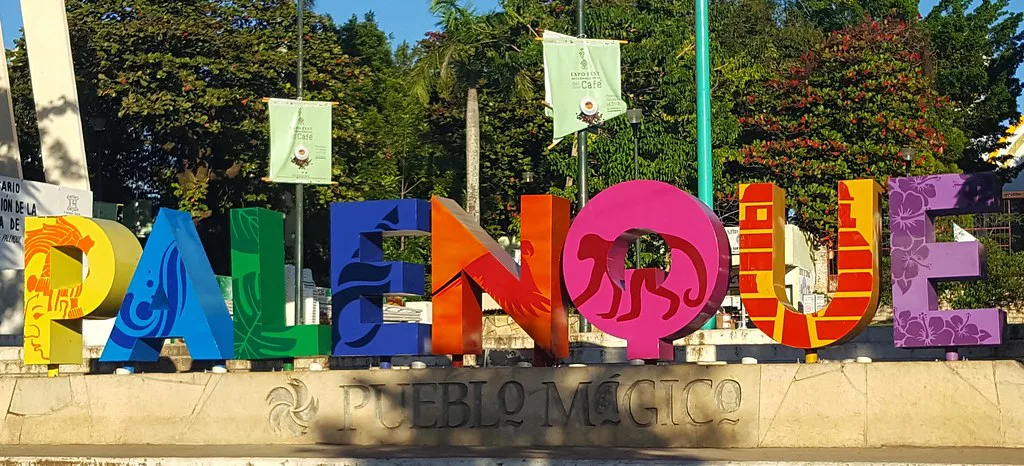
How Many Pueblos Mágicos There Are, and Why the Counts Differ
Counts differ by source and date. The Secretaría de Turismo page presents 132 Pueblos Mágicos in alphabetical order, from Aculco in the State of Mexico to Zozocolco de Hidalgo in Veracruz, in a post dated December 2020. The Pueblos Mágicos guide site presents 177. Both figures are real; they reflect different publication dates and a roster that grows as towns are added.
So when a blog post or a listicle quotes a total, check when it was written before you treat the number as current. The practical takeaway is simpler than the count: the roster is long enough that nearly every route through central or southern Mexico passes within reach of at least one designated town. Use a list to spot candidates near your route, not to audit the program.
Town or City? How a Pueblo Mágico Visit Differs
Mexico City, Oaxaca and Mérida give you museums, markets and a dense grid of streets to fill several days. A Pueblo Mágico usually gives you a compact center you can walk end to end in an afternoon, with the surrounding landscape doing much of the work. The trade-off is depth: fewer sights, but a slower pace and lower noise. For a wider set of candidate towns, see the guide to the Best Towns in Mexico.
That compactness is why so many designated towns work as a half-day add-on rather than a destination in themselves. If you want a base for a week, a city usually serves you better; if you want one memorable day between two cities, the town wins. Decide which of those two trips you are actually taking before you book anything.
Pueblos Mágicos on the Routes You Are Already Planning
Around Mexico City, the designation covers Tepotzotlán, El Oro, Malinalco, Villa del Carbón, Tepoztlán, Tlayacapan and Huasca de Ocampo, all named in a roundup of designated towns reachable as day trips from the capital. The same list is a useful reminder that "near Mexico City" covers a wide arc. Pick by direction, not by fame.
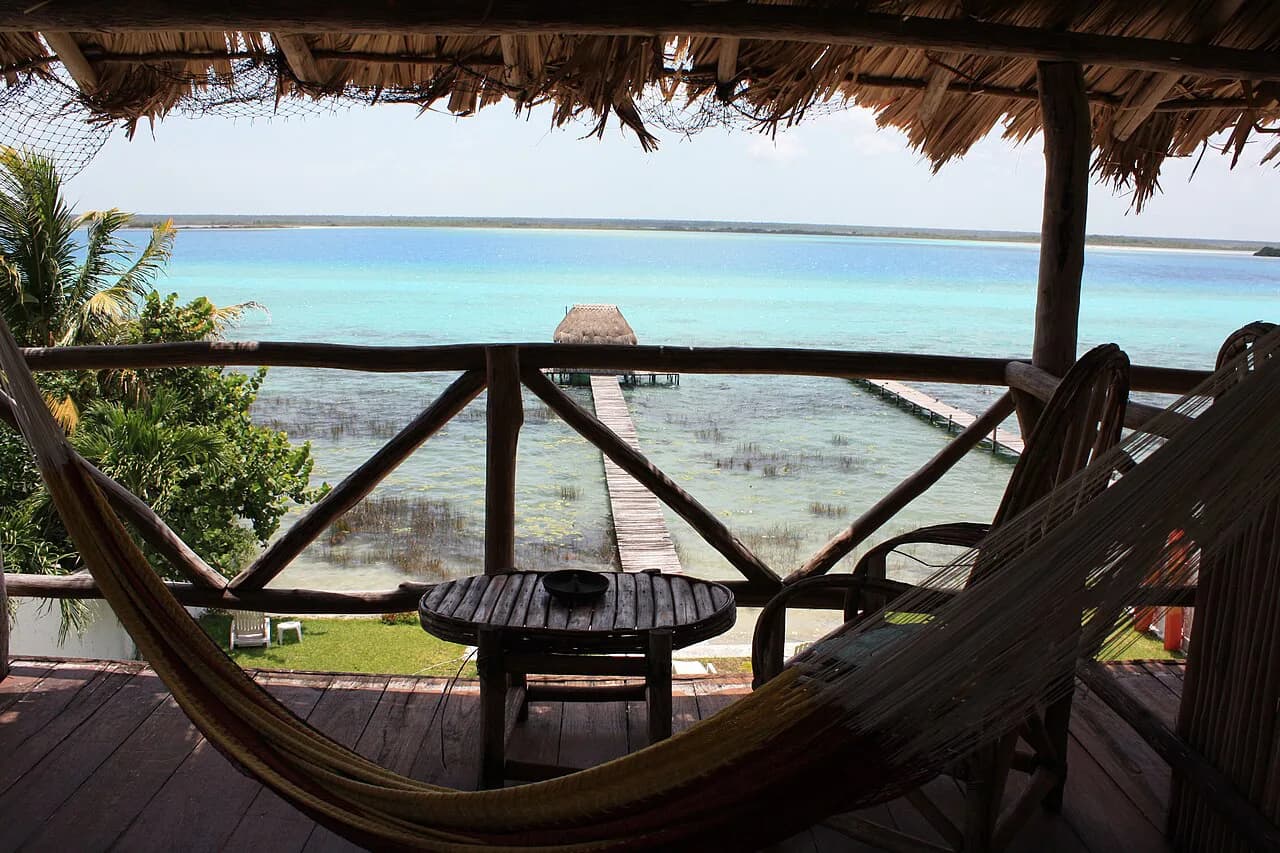
The federal roster names towns travelers may already know from larger destinations. Cholula appears in Puebla, San Pedro Tlaquepaque and Tequila in Jalisco, Izamal and Valladolid in Yucatán, Bacalar, Tulum and Isla Mujeres in Quintana Roo, Sayulita in Nayarit, Mitla as San Pablo Villa de Mitla in Oaxaca, and San Juan Teotihuacán y San Martín de las Pirámides in the State of Mexico.
Several of those entries are not separate stops at all. Tlaquepaque is a district of Guadalajara, and Cholula adjoins Puebla, so you can fold them into a city day without adding a hotel night. Others, like Izamal or Bacalar, need their own block of time.
Towns Worth Building a Day Around
In the State of Mexico, Tepotzotlán and El Oro pair with Malinalco on the edges of the capital's orbit, while Villa del Carbón sits northwest. Each appears on the day-trip roundup, which is the honest way to read them: candidates for a day out of Mexico City rather than multi-night stays in their own right.
Huasca de Ocampo in Hidalgo also appears in that roundup and rewards more than a rushed afternoon because the appeal is the setting as much as the streets. If you are building a loop north or west of the capital, weigh it against a straight run back to the city.
In Oaxaca, Mitla carries the designation alongside the well-known archaeological site. If crafts are your interest, Oaxaca's markets and workshops are where the traditions come alive; the Alebrijes guide covers the painted wood figures and where the craft fits into a trip. For the site itself, our guide to the Mitla ruins explains how to fit the ruins into the day. Plan the visit around substance, not a quick photo in the plaza.
Puebla's designated towns include Cholula, Atlixco, Chignahuapan, Cuetzalan del Progreso, Huauchinango, Pahuatlán, Tetela de Ocampo, Tlatlauquitepec and Zacatlán de las Manzanas. If ceramics are the draw, the Talavera pottery guide explains the glazed tradition Puebla is known for. Zacatlán appears on the roster under its full name, Zacatlán de las Manzanas.
Day Trip or Overnight: A Decision Rule
Ask one question first: is the town the point of the day, or the pause in the middle of it? If the town is the point, arrive early and stay late, and consider a night so you see the plaza after the day visitors leave. If it is a pause, keep the visit short and put your energy into the thing you came for.
The second question is how much of the appeal lies outside the center. Towns whose draw is landscape, crafts workshops or nearby ruins justify an overnight; towns where the historic core is the whole story can be done in a morning. A third practical test: does the town sit on a route you are already driving or riding, or does it require a dedicated detour in both directions? A detour on both ends usually argues for staying the night.
Getting There Without a Car
ADO buses and colectivos connect many designated towns to the nearest city, and organized tours cover the popular day-trip names. The federal roster and the guide site tell you which towns hold the label but not which bus runs where, so confirm the specific route with the operator or at the city bus terminal. For buses, taxis and ride-hailing, start with the guide to getting around Mexico and work outward from your base city.
A common plan is to pair a designated town with a larger destination on the same leg. Tlaquepaque works this way from Guadalajara, Cholula from Puebla, and Valladolid from Mérida or the Yucatán's archaeological circuit. Building the town into the transfer day saves a separate round trip, and you arrive with your bags rather than on a day tour.
If ruins are the reason you are heading out, the guide to Mayan ruins in Mexico covers the sites that anchor the Yucatán and Quintana Roo legs, including Chichén Itzá, which sits within reach of Valladolid. Pair a ruin morning with a town afternoon and you get two different kinds of stop out of one day of driving.
Checking Costs and Hours Before You Go
Entrance fees, cenote charges, parking and tour prices vary by town and change with the season, so confirm them at the site or with the operator rather than relying on an old post. The Pueblos Mágicos guide site organizes towns by state and lists attractions, activities, restaurants and tours, which makes it a reasonable first stop for what a place offers.
For hours, check the town's own tourism page or call ahead the day before, especially for small museums and craft workshops that keep short schedules. Carry pesos for markets, colectivos and small entry fees, since card acceptance in small towns is uneven.
Matching the List to Your Interests
If crafts drive your trips, pick towns where a specific tradition is the reason to go. The guide to Mexican folk art explains how those traditions differ, which helps you choose a town on substance rather than on a photograph.
For food and market travel, the appeal of a designated town is usually the regional cooking around it rather than a single restaurant. For ruins and colonial streets, look at the towns that sit on an archaeological route, where the designation is a bonus rather than the reason to go. For landscapes, pick towns whose draw is the country around them and plan to spend the night.
Pick Your Pueblo Mágico by Route, Not by Ranking
Start with the leg of your trip you have already booked, find the designated town on that route, then decide whether it deserves a day or a night. Tlaquepaque, Cholula and Valladolid are easy folds into city days; Tepotzotlán, Malinalco and Huasca de Ocampo are day trips that reward an early start. Mitla, Izamal and Bacalar sit on longer southern routes where the town is part of the journey rather than a detour.
Leave the "best of" order out of it. The designation tells you a town has a documented tourism offer under a federal program, and your own interests decide the rest. Check the specific town's page for hours and fees before you commit a day to it.
Explore more Mexico guides
- Alebrijes
- Best Towns in Mexico
- Mexican Folk Art
- Otomí Embroidery and Tenango Textiles
- Talavera Pottery
- Taxco Silver
Frequently Asked Questions
What does Pueblo Mágico mean in English?
It translates as "Magic Town." The Mexican tourism ministry uses it for towns it has designated under a federal program because of their symbols, legends, history and local attractions, including crafts and landscapes. It is a tourism label, not a quality score.
Is a Pueblo Mágico different from a regular Mexican town?
The designation means the town has been recognized under the federal tourism program and promoted to national and foreign visitors. In practice, you will often find a compact historic center, a craft tradition or a striking setting, but the label says nothing about hotel quality, English spoken or ease of transport.
How many Pueblos Mágicos are there?
Counts differ by source and date. A December 2020 Secretaría de Turismo page presents 132, while the Pueblos Mágicos guide site presents 177. The roster changes as towns are added, so check the date on whichever list you are reading before you rely on the total.
Can I visit a Pueblo Mágico as a day trip from Mexico City?
Yes. Tepotzotlán, El Oro, Malinalco, Villa del Carbón, Tepoztlán, Tlayacapan and Huasca de Ocampo are all named as designated towns reachable as day trips from the capital. Pick by direction and by how much of the appeal lies outside the town center.
Sources
Notes for your next Mexico trip
Optional updates when we add or correct a town guide.
You might also like

Continue reading
More guides you'll find useful