Traditional Mexican Food: Dishes to Order Across Mexico
A visitor's guide to traditional Mexican food, from cochinita pibil and sopa de lima to mole, pozole, and tortas ahogadas, with where each dish fits in a day.
On this page
Order cochinita pibil, sopa de lima, mole, pozole and a torta ahogada and you have covered most of the country's table in one trip. Traditional Mexican food is a corn-and-chile cuisine that changes sharply by region, so the useful question is not which single dish to try but which dishes belong to the places you are visiting. This guide sorts them by when you eat them and by where they come from, so you can plan meals around the town you are in.
The backbone is maize, chiles and beans, with meat, dairy, rice and other ingredients layered in over centuries, as outlined in this overview of Mexican cuisine. That means a breakfast of chilaquiles, a mid-afternoon comida of mole, and a late street snack of salbutes are all the same tradition at different hours.
What counts as traditional Mexican food
Corn, chiles and beans form the base, and corn is treated before it is ground through nixtamalization, the process that turns maize into masa for tortillas, sopes and tamales. Recipes vary enormously from state to state, which is why a dish you love in Puebla may not appear at all in Yucatán. Treat any nationwide list as a starting point and expect the local version to differ.
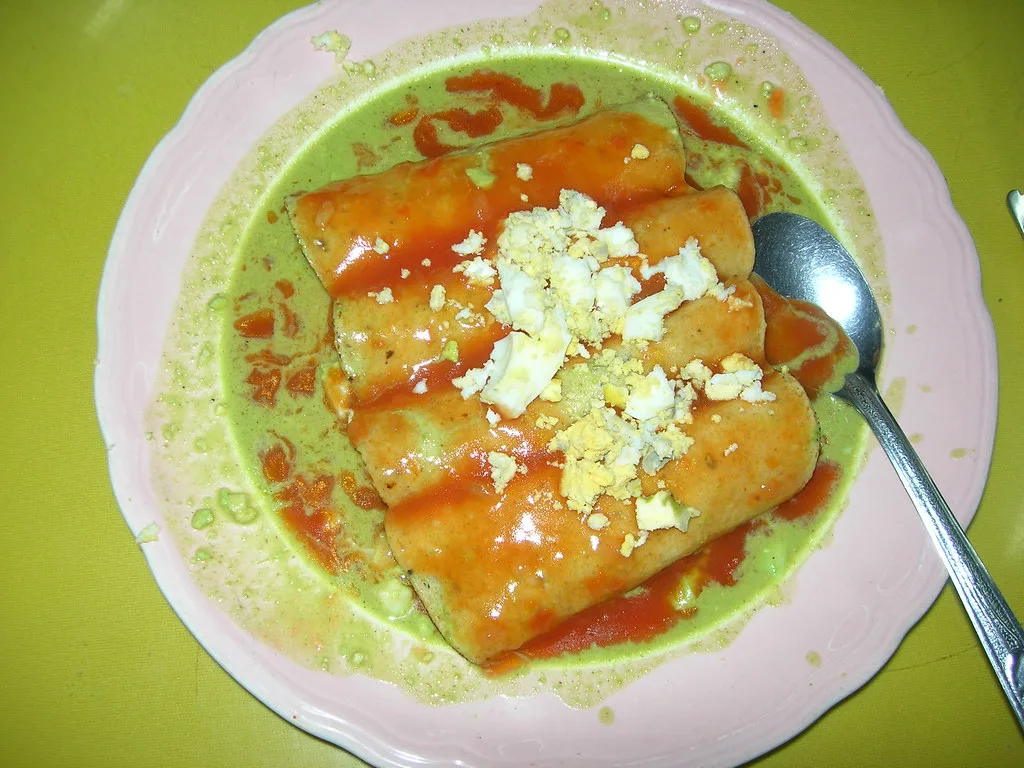
Breakfast dishes: chilaquiles, huevos motuleños and tecolota
Chilaquiles are fried corn tortilla strips tossed in red or green salsa and topped with crema, cheese, onion and sometimes avocado, and they appear on breakfast menus across the country. Huevos motuleños comes from Motul in Yucatán and stacks tortillas with black beans, cheese, fried eggs and tomato sauce; versions in Valladolid add peas, ham and fried plantains. If you want a deeper menu of morning plates, the guide to Mexican breakfast covers the range, including green chilaquiles and huevos rancheros.
What is the national dish of Mexico? There is no single dish that stands in for the whole country. Traditional Mexican cuisine as a whole was given UNESCO Intangible Cultural Heritage status in 2010, alongside French gastronomy, and the dishes people name as core — pozole, mole, tamales, tacos — shift by region.
How many meals do people eat in a day in Mexico? The main eating pattern is a lighter breakfast, a substantial comida in the early afternoon between roughly 2pm and 4pm, and a later dinner from about 8pm to 10pm. Snacks and street food fill the gaps, which is why antojitos matter as much as sit-down meals.
The tecolota takes chilaquiles further by stuffing them into a bolillo roll with refried beans, cheese, crema, cilantro and red onion, which makes it a filling single-handed breakfast. Order one when you plan a long walking morning and want to skip a sit-down meal.
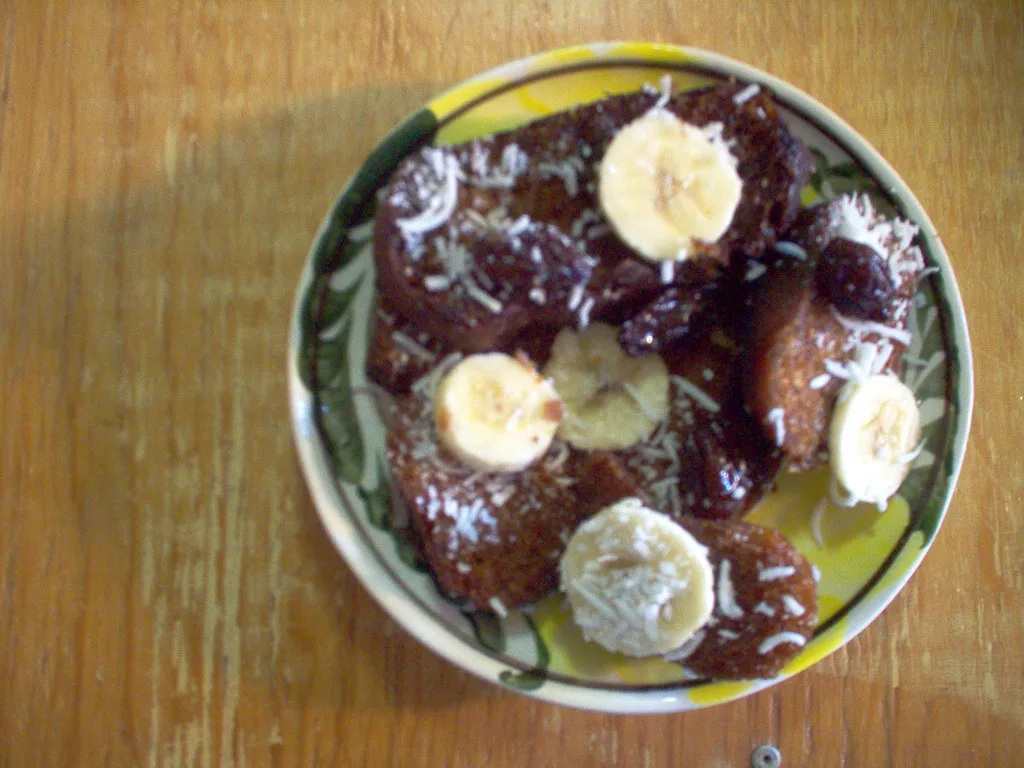
Street food and antojitos: tacos, salbutes, panuchos, tlacoyos and sopes
Tacos are the most familiar entry point, and Mexico City's version is al pastor: pork marinated and cooked on a vertical spit, often served with pineapple. The details of the meat, the tortilla and the garnish are worth knowing before you order, and the tacos al pastor guide explains what to expect.
In Yucatán the street snacks to know are salbutes and panuchos, both larger than a standard taco and built on a thicker tortilla. A salbute uses a puffy deep-fried tortilla with a crisp, slightly chewy texture, while a panucho is stuffed with a thin layer of black bean paste before frying, which makes it firmer. Choose the salbute for crunch and the panucho if you want the bean layer to carry the topping.
Elsewhere the masa snacks multiply: tlacoyos are oval masa cakes with a filling, gorditas are thick and split for stuffing, huaraches are long and flat, and sopes are griddled with a raised rim that holds beans, salsa, cheese and meat. In Oaxaca the oversized tortilla called a tlayuda is a meal in itself, and the tlayuda guide walks through how it is built and eaten.
Tortas and cemitas: the sandwich, the torta ahogada and the Puebla cemita
The torta is the everyday Mexican sandwich, made on a crusty bolillo roll and stuffed with marinated meat or anything else at hand. Guadalajara's torta ahogada drowns fried pork in a tomato and vinegar-based sauce, so expect a messy, wet sandwich rather than a dry one. Puebla's cemita is a different construction entirely and belongs on a day you are eating your way through that city.
Soups and stews: pozole, menudo, sopa de lima and birria
Pozole is a hominy and pork soup with deep roots, and it changes across the country: a red, thicker broth in Mexico City and a clearer version in Oaxaca. Menudo, built on beef tripe and hominy, is another hearty stew in the same family. Both are substantial enough to be the main meal, so order one at comida rather than as a starter.
Sopa de lima is Yucatán's light lime-and-chicken soup, made with shredded chicken, onion, tomato, tortilla chips and the region's sweet lime. Recipes range from quite tangy to mild, so it works as a first course before a heavier pork dish.
Birria is the dish of Jalisco, a spicy meat stew traditionally made with goat and increasingly with beef. Carnitas, meanwhile, is pork slow-braised in its own fat until tender and then crisped.
Mole: mole poblano and the Oaxacan moles
Mole is a slow-cooked sauce ground from chiles, spices, seeds, fruit and nuts, and mole poblano is the Puebla version credited with dozens of ingredients. It is not a chocolate sauce despite its dark color, so go in expecting a savory, layered flavor. Oaxaca makes its own family of moles, which is reason enough to eat mole more than once on a trip.
Chiles rellenos, rajas con queso and chiles en nogada
Chile relleno is a roasted poblano pepper filled with cheese or meat, covered in batter and fried, then served with rice, beans and salsa. Rajas con queso takes roasted poblano strips, onion and corn and creams them together as a starter or taco filling. Both are Puebla dishes and both are good tests of a kitchen's balance of heat and richness.
Chiles en nogada stuffs a poblano with picadillo and covers it in a walnut-based cream sauce and pomegranate seeds, served at room temperature. It is the elegant, seasonal counterpart to the fried chile relleno, and the chiles en nogada guide covers its preparation and timing.
Yucatán specialties: cochinita pibil, papadzules, relleno negro and longaniza
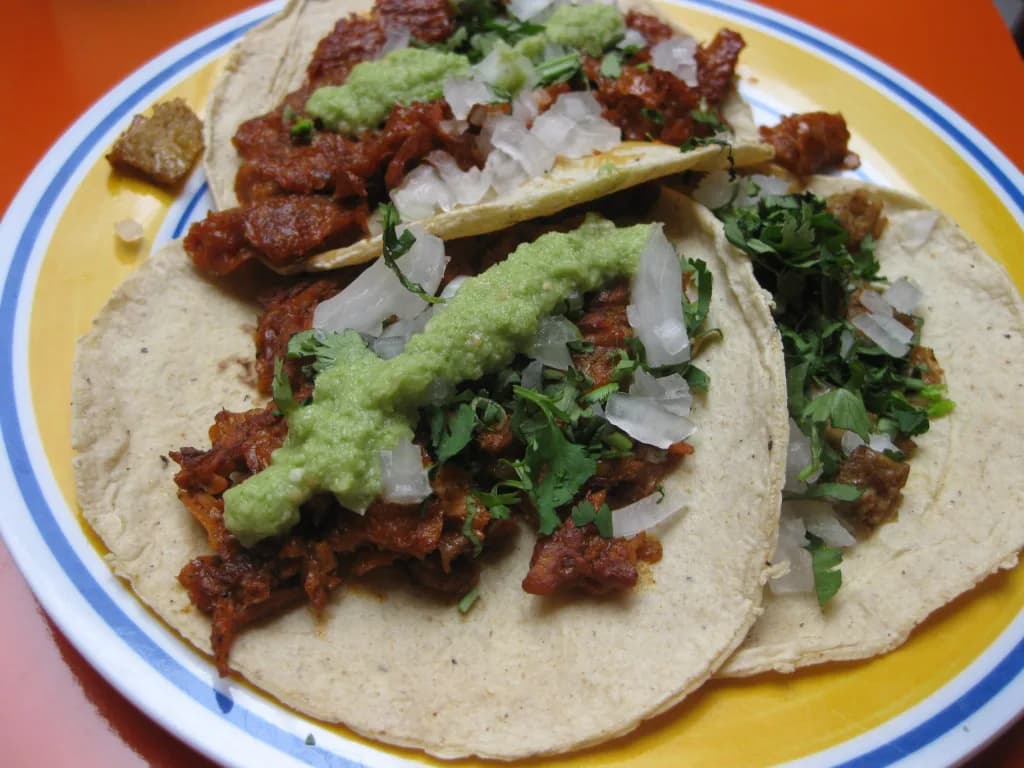
Cochinita pibil is the Yucatán pork dish, marinated in sour orange juice and annatto seeds and cooked slowly, traditionally buried underground. It arrives as tacos on double hand-made tortillas, and the test is tenderness: if the pork is not juicy, look for a better spot.
Beyond the famous pork, look for the region's smoked sausage, longaniza de Valladolid, which is worth seeking out in that city itself. Pollo pibil gives you the same marinade and technique applied to chicken.
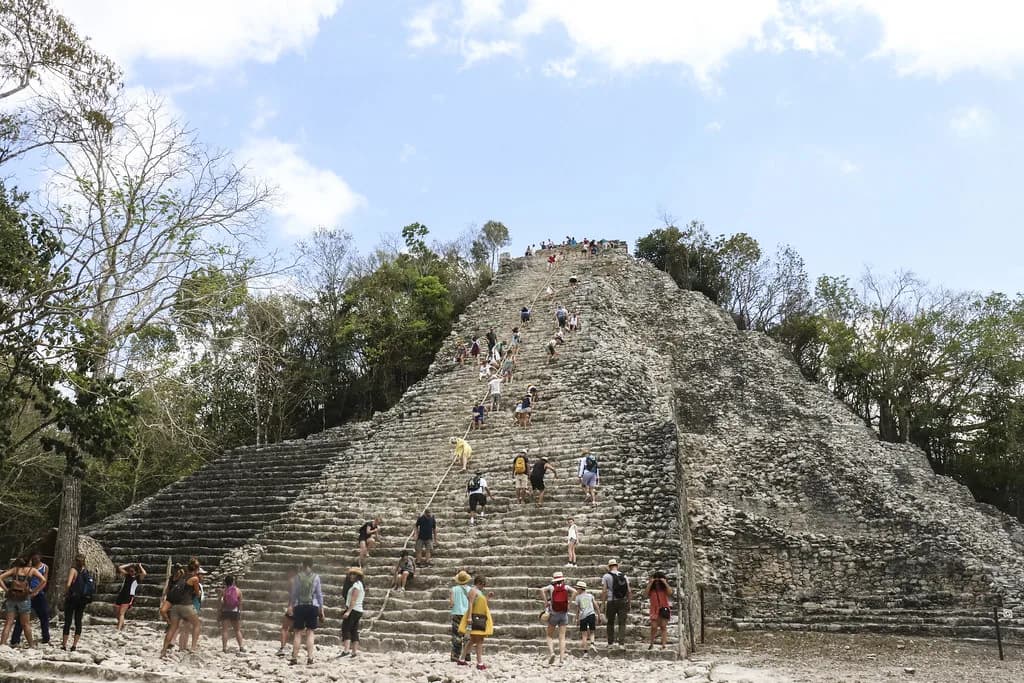
Farther south, the Mayan ruins are the reason many visitors pass through these towns, and the guide to Mayan ruins in Mexico pairs archaeological sites with the regional food stops around them.
Seafood and coastal dishes: mariscos and ceviche
On the coast, mariscos means seafood, and ceviche is the most common way to meet it: raw fish or shrimp cured in citrus juice with jalapeño, cucumber and a chilled tomato-based broth. Aguachile is a sharper, chile-forward relative. Order either as a light lunch and save the heavier stew for later.
Corn on the cob and in a cup: elotes and esquites
Elotes is corn on the cob dressed with mayonnaise, lime juice, fresh cheese and chile powder, and esquites is the same idea with kernels shaved off the cob and served in a cup with mayonnaise, lime, white cheese and chile. Look for them on the street rather than in restaurants; in Mexico City, the stalls around Coyoacán are a good place to try them. Some vendors finish both with Tajin, the chile-and-lime seasoning.
Sweet endings and drinks: conchas, marquesitas and agua de chaya
Conchas are the familiar Mexican sweet bread, a shell-topped roll sold in bakeries and coffee shops, and the easiest sweet to pick up in the morning. For something made to order, the marquesita is a thin, rolled, crunchy waffle filled with caramel, jam, fruit or Nutella, and you choose the fillings. It is a street food that shows up at evening stalls in parks, plazas and sidewalks across the Yucatán Peninsula, so plan it as a walk-and-eat dessert rather than a restaurant course.
Agua de chaya is a Yucatán drink made from the local chaya leaf, and it is the everyday alternative to a soft drink with a plate of cochinita. If you want a broader list of sweets to finish a meal, the guide to Mexican desserts covers the wider field, from tres leches cake to Mexican wedding cookies.
How a Mexican eating day is timed: breakfast, comida and a late dinner
Meal timing catches first-time visitors off guard: lunch, or comida, is typically eaten between 2pm and 4pm, and dinner runs from about 8pm to 10pm, with many places staying open until midnight. A café outside a fine-dining room may not open much before 9am. Build your day around that rhythm: a light breakfast, a big comida, and a late, smaller dinner.
Most food is eaten with your hands, and if it is not, you will usually be given tortillas or totopos to scoop with. That is part of the culture rather than a shortcut, so do not wait for a fork.
Is Mexican food always spicy, and how to order it milder
No. Many dishes are not spicy at all, and salsa is usually served on the side so you control the heat. Ask for it sin salsa, or put a small amount on your plate first and taste before adding more. Salsas that look mild can still contain serrano or jalapeño chiles, so treat the first bite as a test.
Dishes by region: a quick cross-reference to the town guides
Match the dish to the destination. In Yucatán, build meals around cochinita pibil, sopa de lima, panuchos, salbutes, papadzules, relleno negro and longaniza de Valladolid, and use the region's town guides for Mérida, Valladolid, Cancún, Tulum and Cozumel to slot those into a day. In Puebla, aim for mole poblano, chile relleno, rajas con queso and cemitas; in Oaxaca, the moles and the tlayuda; in Guadalajara, the torta ahogada; in Mexico City, al pastor and chilaquiles.
Pick two dishes per city and eat them there
The most useful plan is not a list of every dish but two or three that belong to each place on your route: cochinita and sopa de lima in Yucatán, mole and a cemita in Puebla, a torta ahogada in Guadalajara, al pastor in Mexico City. That keeps you eating locally and saves room for the snacks that only show up at certain hours.
Then build the day around comida at 2pm and a late dinner, keep salsa on the side until you taste it, and treat street stalls as part of the meal plan rather than an afterthought.
Explore more Mexico guides
- Chiles en Nogada
- Mexican Breakfast
- Mexican Desserts
- Mexican Hot Chocolate
- Mexican Street Food
- Oaxacan Food
- Tacos al Pastor
- Tlayuda: Oaxaca's Oversized Tortilla, Explained
Frequently Asked Questions
What is the national dish of Mexico?
There is no single dish that stands in for the whole country. Traditional Mexican cuisine as a whole was given UNESCO Intangible Cultural Heritage status in 2010, alongside French gastronomy, and the dishes people name as core — pozole, mole, tamales, tacos — shift by region. Pick the dish of the state you are visiting instead of chasing one national answer.
How many meals do people eat in a day in Mexico?
The main eating pattern is a lighter breakfast, a substantial comida in the early afternoon between roughly 2pm and 4pm, and a later dinner from about 8pm to 10pm. Snacks and street food fill the gaps, which is why antojitos matter as much as sit-down meals.
Sources
Notes for your next Mexico trip
Optional updates when we add or correct a town guide.
You might also like


Continue reading
More guides you'll find useful