Tijuana Downtown: What to See in the Centro
Plan a visit to downtown Tijuana: CECUT and the Museum of the Californias, Avenida Revolución, the history museum, and how the Centro compares to Playas de Tijuana.
On this page
Downtown Tijuana rewards half a day on foot: the Centro Cultural Tijuana complex, the city history museum and Avenida Revolución sit close enough to walk between, and the border is the arrival point for most US day-trippers. This guide covers what each stop actually holds, how the Centro is laid out, and how it differs from the beach district five miles west.
What counts as downtown Tijuana
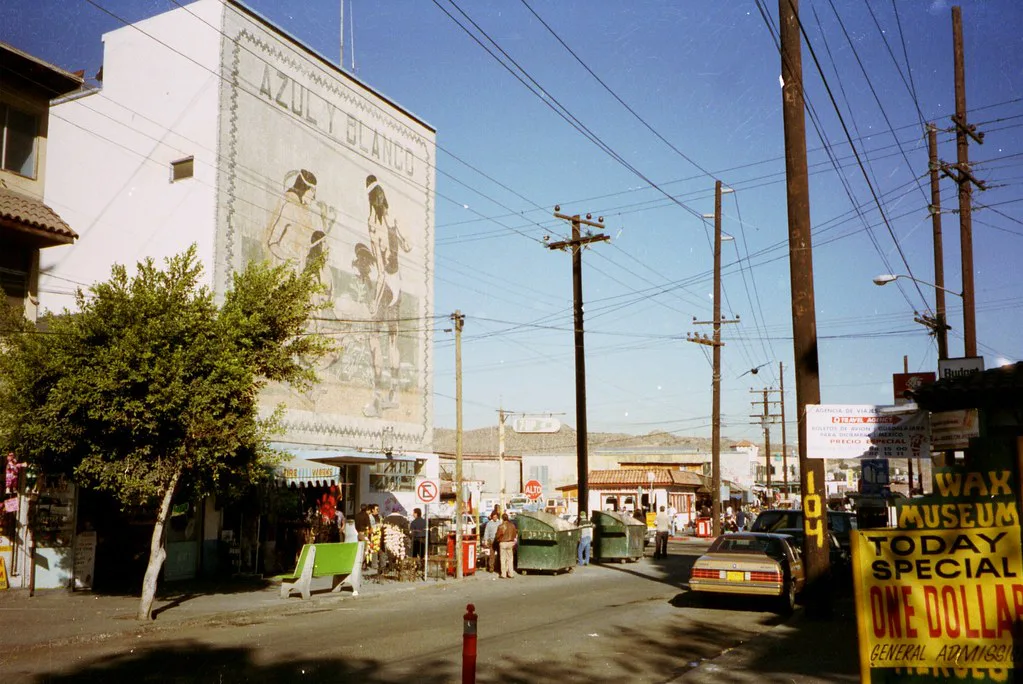
Downtown Tijuana means the Centro: the compact grid around Avenida Revolución, the avenue that cuts straight through the middle of the city. Tijuana is the largest urban area in northwestern Mexico, with about 1.2 million residents, but the tourist core is small enough to cover on a single walk.
Three other districts come up when you plan a day here, and each is a different trip. La Sexta and the downtown blocks hold the bars and clubs, Agua Caliente has the casino and racetrack, and Playas de Tijuana is the Pacific beach district five miles from downtown. If you are weighing how a city's core compares across Mexico, our guide to Cancun downtown shows the same decision in a very different setting.
How the Centro is laid out and how long it needs
Treat the Centro as a loop rather than a checklist. Start at the CECUT complex, walk Avenida Revolución for its cafés, shops and street life, then add the Museo de Historia de Tijuana before heading back toward the border.
A half day covers the cultural stops and a stroll down Revolución without rushing. Give it a full day if you want to eat a proper meal downtown and still reach Playas de Tijuana, since the beach is a separate trip rather than a walk from the Centro.
Centro Cultural Tijuana: the sphere, the exhibitions and the IMAX theater
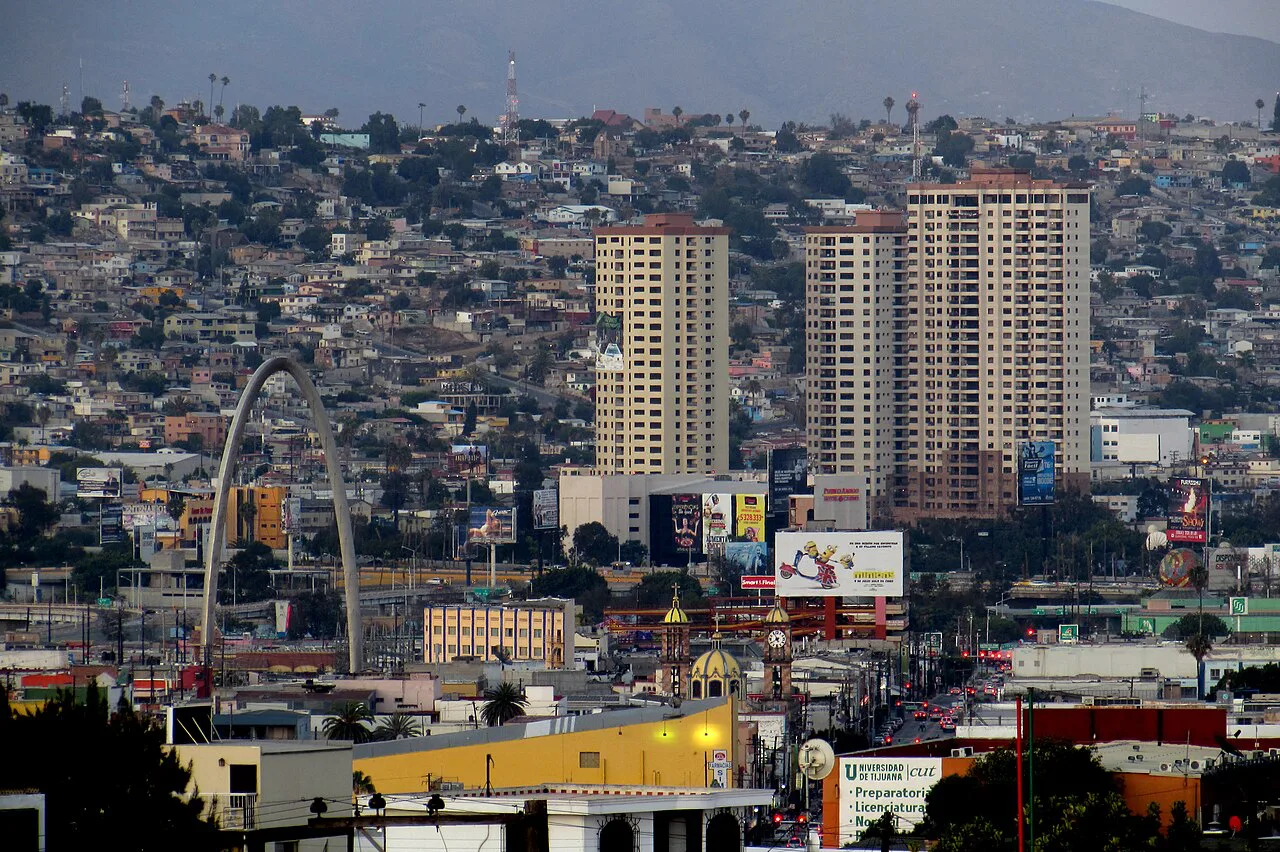
CECUT, the Centro Cultural Tijuana, is the region's main cultural venue and the spot worth building the day around. Its signature building is a large sphere, and inside the complex you find showrooms, contemporary art exhibitions and an interactive IMAX theater.
The complex also holds a botanical garden, an aquarium, an open-air amphitheater called the Moon Forum and a gallery known as The Cube, so a single stop can fill a couple of hours depending on what is open that day. CECUT draws more than a million visitors a year, which tells you how central it is to the city's cultural life.
Plan CECUT as your first stop of the morning, when you have the most energy for exhibitions, and keep the walking portion of the day for afterward. If you want to compare it with the city's other collections before you commit the time, our guide to Tijuana museums covers what each one holds.
Museo de las Californias inside CECUT: what the collection covers
Inside the CECUT complex, the Museo de las Californias traces the peninsula from prehistoric times through the arrival of the Spanish missions. The collection uses historical artifacts, detailed miniatures and replicas of ancient ships to tell that story.
It is the stop for the region's deeper past, including the legacy of the first native settlers, while the rest of downtown leans toward the modern city. Because it sits in the same complex as CECUT, you can pair the two without another trip across town.
Museo de Historia de Tijuana: the city's growth and Avenida Revolución
The Museo de Historia de Tijuana rounds out the cultural circuit with a look at how a small border town became a commercial power. Its displays cover urban photographs and residents' stories, and part of the story follows the evolution of Avenida Revolución.
Visit it after CECUT if you want the modern city's context, since the Tijuana you walk through outside is the subject here rather than the peninsula's older history. Budget less time for it than for CECUT and the Museum of the Californias combined.
Avenida Revolución: cafés, shops, photo stops and the painted donkeys
Avenida Revolución is the city's tourist strip, and it is honest about that: cafés, bars, casinos and karaoke spots line an avenue built for visitors, with food smells drifting from the street stands and shops. Walk it for the atmosphere and stop where something looks good rather than treating it as a sight list.
The zebra-painted donkeys along the promenade are the classic photo stop on the avenue. They are a street spectacle rather than a formal attraction, so treat a picture as part of the walk down Revolución and nothing more.
Walking downtown: connecting CECUT, Avenida Revolución and the history museum
The three main stops work as one walk: CECUT and the Museum of the Californias share a complex, Avenida Revolución cuts through the center, and the Museo de Historia de Tijuana adds the city's own story. Build the route around those three and use Revolución as the connecting spine.
Wear shoes for pavement rather than trails, and carry water, since the walking is entirely urban. A walking tour video of the Zona Centro shows how compact the blocks are and what the crossing from the San Diego border looks like on foot.
If you want to include a church in the same loop, the Tijuana cathedral, the Catedral de Nuestra Señora de Guadalupe, is downtown's main religious landmark and fits naturally into a Centro walk.
Downtown versus Playas de Tijuana: culture and streets against the Pacific beach
Choose downtown if you want museums, an avenue to wander, and a day that stays on pavement. Choose Playas de Tijuana if you want the Pacific, since the beach sits about five miles from downtown and holds restaurants and cafés along the shoreline.
The two do not combine easily on a short visit. A half day in the Centro plus the trip west to the water is a full day, and that is before you factor in a look at the bullring in the Playas area.
Where downtown Tijuana meets the beach: distance and what is out there
The beach is the point where Tijuana meets the sea, one of the city's most popular gathering spots. Its shoreline is used for fishing and surfing on the Pacific, and kayaks can be rented there for trips further out.
The Playas area also holds a bullfight arena, with bullfights described as scheduled on most Sundays during the summer. Confirm the schedule on the ground rather than planning a trip around it, and check current details before you go.
How to get to downtown Tijuana from the San Diego border crossing on foot
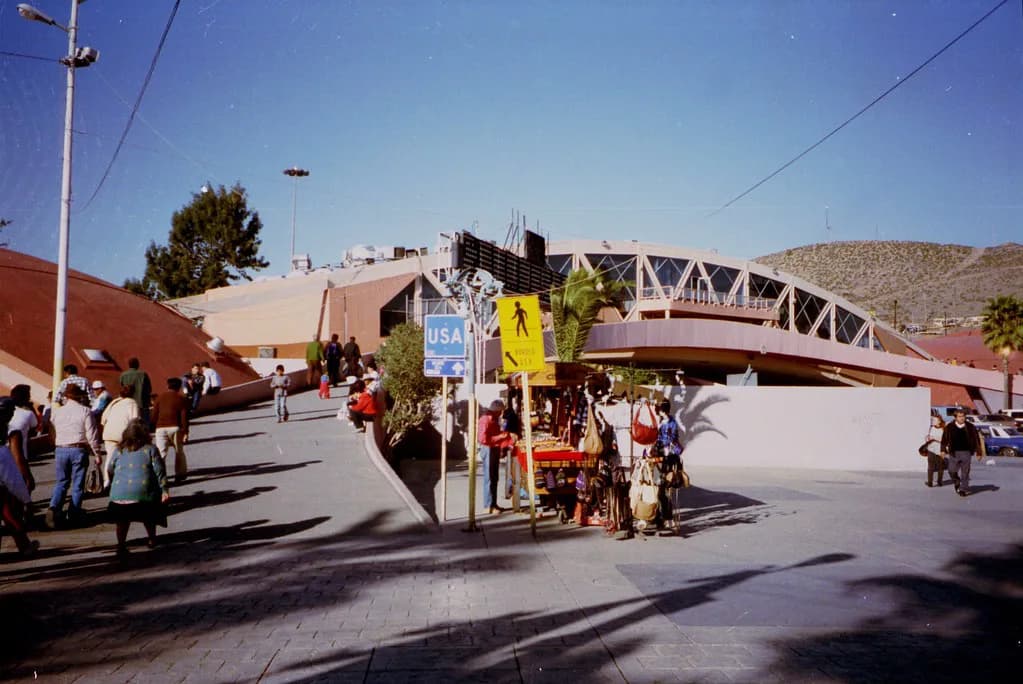
San Diego is the US city closest to Tijuana, and the standard arrival for a day trip is to cross the border on foot and continue into the Centro. A recorded walk from the San Diego border crossing into downtown shows the route and the street-level approach to the center.
Travelers arriving by air land at Tijuana's airport and continue into the Centro by road. Border entry rules and passport requirements are handled by the respective governments, so check the current requirements with the US and Mexican authorities before you cross.
Getting around downtown and onward
Once you are in the Centro, the sights are close enough to walk, so save taxis for the runs out to Playas de Tijuana or Agua Caliente. If you plan several stops in one day, ask the driver to wait or arrange a return time rather than relying on hailing another car at the beach.
If your visit lands on an evening when lucha libre is on, the Auditorio Municipal Fausto Gutiérrez Moreno is a very different kind of night out from the museums, and our Tijuana lucha libre guide explains what to expect.
What a downtown Tijuana visit includes
A realistic downtown day runs: CECUT and the Museum of the Californias in the morning, Avenida Revolución over lunch, the Museo de Historia de Tijuana in the afternoon, and the walk back to the border. That sequence keeps the indoor stops together and leaves the street time for when the avenue is liveliest.
If CECUT's aquarium, botanical garden and galleries are the draw, give the complex most of your time and treat Revolución as a short final loop. To add a downtown church to the same walk, see our guide to Tijuana churches.
Practical points: cash, sun and heat
Bring Mexican pesos in small notes for street stands and small establishments along Revolución, and keep some cash on hand for taxis back toward the border. Downtown walking is exposed, so plan the outdoor stretch of the day for the cooler hours.
Which downtown stops deserve your day?
Build the day around CECUT and the Museum of the Californias, add the Museo de Historia de Tijuana for the city's own story, and use Avenida Revolución as the connective walk. If the tide pulls you west, make Playas de Tijuana a separate half day rather than squeezing it in.
Explore more Tijuana guides
- Tijuana Cathedral
- Tijuana Churches
- Tijuana Lucha Libre
- Tijuana Walking Tour
Frequently Asked Questions
What is the most famous street in Tijuana?
Avenida Revolución is the avenue most visitors know: it cuts straight through the center of the city and carries the cafés, bars, casinos, karaoke spots and shops that give downtown its tourist character. It is also where you find the zebra-painted donkeys that make the classic Tijuana photo.
Do you need a passport to go to Tijuana from the United States?
Border entry rules are set by the US and Mexican governments, so check the current passport and entry requirements with the relevant authorities before your trip. Tijuana's downtown is reached on foot from the San Diego border crossing, which is the usual route for a day visit.
Is downtown Tijuana the same as Tijuana Centro?
Yes. Downtown means the Centro, the grid of streets around Avenida Revolución that holds CECUT, the Museum of the Californias and the Museo de Historia de Tijuana. Playas de Tijuana and Agua Caliente are separate districts with their own reasons to visit.
Sources
Notes for your next Mexico trip
Optional updates when we add or correct a town guide.
You might also like
Continue reading
More guides you'll find useful