Things to Do in Guanajuato: 14 Picks for a Colorful Colonial City
Plan Guanajuato around the car-free historic center, El Pipila views, the mummy museum, callejonadas and tunnel roads, with a workable order for each day.
On this page
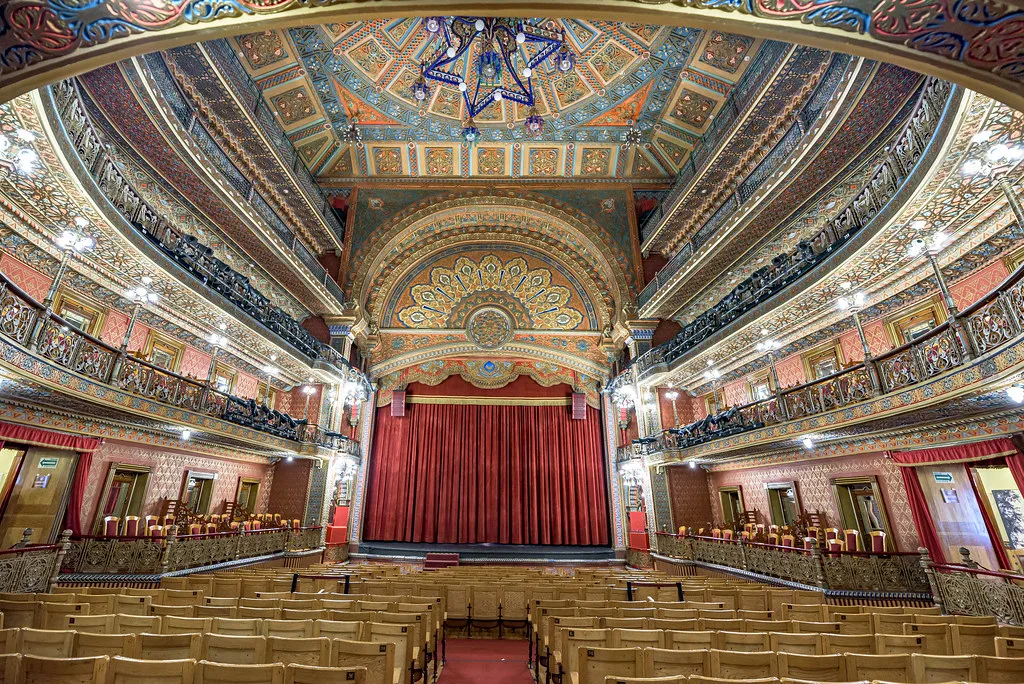
Start with the Centro Histórico on foot: Guanajuato's historic core is largely car-free because most traffic crosses the city through tunnels cut into the mountains, which makes a slow wander from Plaza de la Paz past the Basílica to Teatro Juárez the single best use of a first morning. This guide orders the city's main things to do by area, from the Pipila viewpoint and the narrow callejones to the mummy museum, the Diego Rivera house museum and the food you should be looking for. Keep the Guanajuato Map handy for orienting the plazas and tunnel mouths as you go.
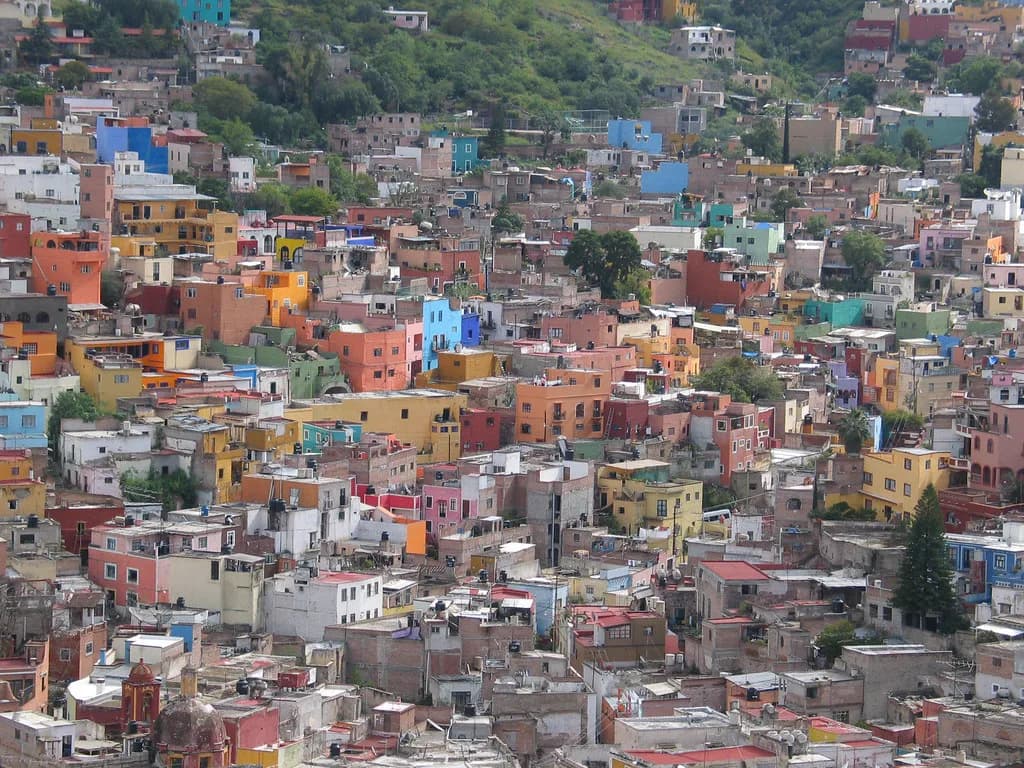
Guanajuato climbs a narrow ravine, so streets, staircases and tunnel roads stack on top of each other and a ten-minute walk can mean a serious climb. Treat the tunnels as the traffic artery, the upper streets as pedestrian ground, and plan each day around one hill rather than crisscrossing the city.
Walk the car-free Centro Histórico first
Begin at Plaza de la Paz, also called Plaza Mayor, where the Basílica de Nuestra Señora de Guanajuato anchors the square. Keep walking past the church to Teatro Juárez, the landmark where evening groups gather, and use the plazas in between as rest stops rather than destinations. The Guanajuato Map shows how the centro's squares and streets fit together, so you can trace the route before you set out.
The center is made of leafy plazas and colorful alleyways, so give yourself two or three unhurried hours and let the lanes pull you uphill. The reward for wandering without a route is finding small shops, courtyards and outdoor tables you would never have marked on a map; use a plaza or a church tower as your landmark to reorient.
Get the layout: valley, tunnels and two levels of street
Guanajuato grew as a mining settlement in a tight ravine, and after repeated flash floods the colonial authority built a dam upstream in 1823 and opened the first tunnel, El Cuajín. More tunnels followed over the next century; planners later paved and widened them so carriages could pass in the dry season, and today most serve as the main artery for buses, deliveries, parking and pedestrians.
Stone staircases connect the tunnel level to the street level at frequent intervals, which is what makes the separation of traffic work. In practice you will walk the upper streets, drop into a tunnel to cross under a hill or catch a bus, and climb back up a staircase on the other side; figure out which tunnel mouth sits nearest your base and the city shrinks fast.
Ride or climb to the Monumento al Pipila for the city view
The best-known viewpoint is the mirador beside the Monumento al Pipila, a giant statue of a local Indigenous miner who led a revolt, with the whole Centro Histórico spread out below. Late afternoon is when the steps fill with people eating and drinking, and street stalls sell tacos and micheladas, so arrive an hour before sunset if you want a spot at the railing.
Hiking up takes about 15 minutes and is steep in places; the alternative is the funicular, caught right behind Teatro Juárez, which reaches the top station beside the monument in a few minutes. The funicular runs from 8 AM to 9:50 PM with tickets at 30 pesos one way and 60 pesos round trip, as reported in 2022, so confirm the current fare and hours at the ticket window before you count on it.
Walk the callejones, including the Callejón del Beso
Guanajuato's callejones are narrow alleyways that climb the hillsides, and the most famous is the Callejón del Beso, the Alley of the Kiss, where balconies on opposite sides nearly touch. Local storytelling ties the name to a pair of star-crossed lovers whose families kept them apart, and couples still line up to kiss on the steps.
Aim to walk the lanes in the morning, when the stairways are shaded and the popular corners are quiet, and wear shoes with grip for the cobblestones and steep gradients. If a lane dead-ends at a staircase, follow it anyway; the upper streets connect back to the center through the plazas more often than the map suggests.
Join a callejonada at night near Teatro Juárez
In the evening, crowds of young people in period dress sell tickets around Teatro Juárez and the Basílica for the callejonada, a paid walking show in which costumed guides play traditional songs, crack jokes and lead the group through dimly lit alleyways. The format mixes music and comedy and leans on group energy, so it suits travelers who want an hour or two of performance rather than a quiet stroll.
Buy from the sellers you meet at the departure point and ask where the walk ends before you set off, then keep some cash on hand for tips and a drink along the way. Nights in the center are cool at this altitude, so bring a layer even if the afternoon was warm.
Decide on the Museo de las Momias
The Museo de las Momias displays naturally preserved bodies, many with hair and clothing intact, discovered in an above-ground crypt decades after a period when families who could not pay a burial fee had their relatives moved to a separate chamber. The exhibits are real, and visitors commonly describe the experience as both eye-opening and disturbing.
This is the stop to skip without guilt if preserved human remains are not for you, and it is not a good fit for young children or anyone sensitive to that subject. If you go, budget an hour and treat it as a museum visit rather than a horror attraction; check the entrance fee at the ticket desk.
Visit the Diego Rivera house museum
The Diego Rivera house museum occupies the painter's birthplace and gives the city's art story a specific address, which makes it a natural pairing with a morning in the center. It is a compact stop, so combine it with the churches and plazas around rather than building a day around it.
Check the day's opening hours before you walk over, since small house museums in Mexico often close one day a week, and ask about admission when you arrive. Look for the museum on your route back down from the hillside lanes so the detour costs you no extra climb.
Churches and plazas: Basílica, Jardín de la Unión and the small squares
The Basílica de Nuestra Señora de Guanajuato faces Plaza de la Paz, and a short walk away sits the Jardín de la Unión, a shaded garden with a vintage bandstand that makes a good meeting point. Smaller squares such as Plaza de los Ángeles, Plaza de San Roque and Plaza del Baratillo are ringed with colonial houses painted in vivid colors and are where the city feels most lived-in.
Use the Jardín de la Unión as your evening anchor: it is central, shaded by day and busy at night, and the surrounding streets hold several of the best restaurants in Guanajuato for a sit-down dinner after a long walking day. Duck into the churches as you pass rather than scheduling them, and keep a small amount of cash for the stands around the plazas.
Stop at the university and its architecture faculty staircase
The Universidad de Guanajuato gives the city its student energy, and the faculty of architecture has a grand staircase entrance that reads almost like a cathedral facade. It is a quick photo stop on the walk between the center and the hillside lanes, not a sight that needs its own hour.
Students shape the city's rhythm, from the callejonada crowds to the cantinas that now draw mixed and younger groups rather than the men-only clientele of the past. Plan your center time for late afternoon if you want to see that energy build before the evening tours start.
Eat like the city: enchiladas mineras, gorditas and a guacamaya
Guanajuato has dishes you will not find the same way elsewhere, and the ones to seek out are enchiladas mineras, a local style of enchilada, and the guacamaya, a snack built to be eaten standing up. Street stands turn out fresh gorditas and tacos, while bistros and gastronomic bars tuck into side streets and plaza corners for a longer meal.
Breakfast at the stands is the cheapest and most local start to a day, and it puts you in the center before the tour groups arrive. Carry small bills, since change is the usual bottleneck at a busy stand, and save the sit-down meal for after the Pipila climb.
Shop the Guanajuato market for souvenirs
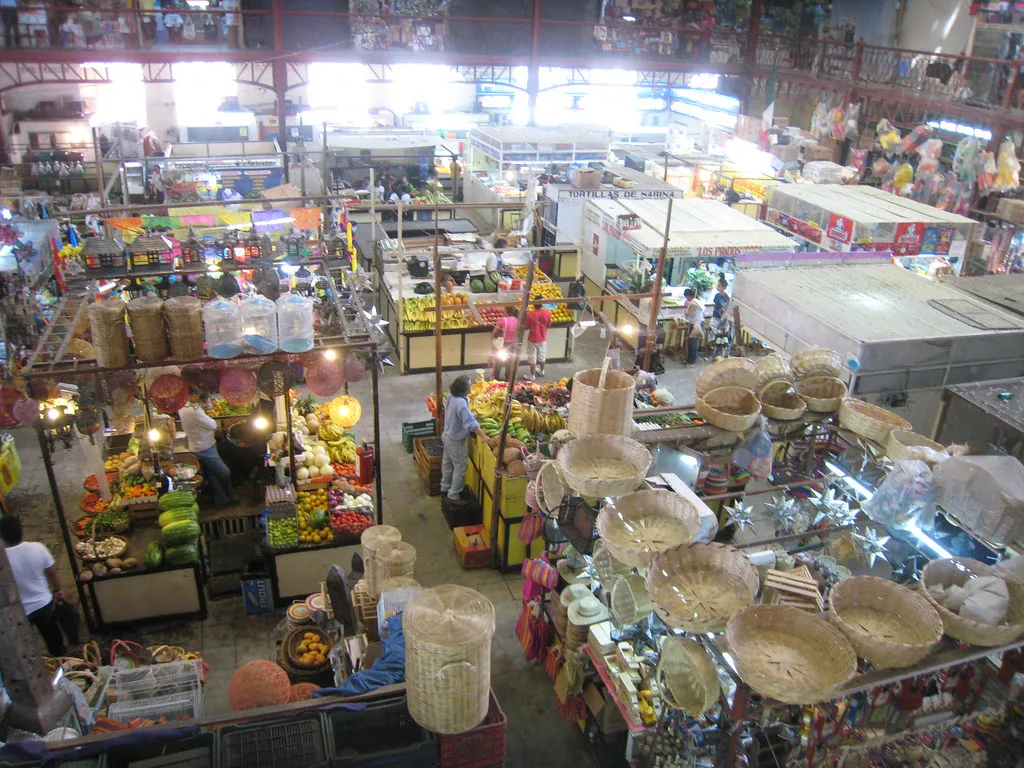
The Guanajuato market is the practical place to buy souvenirs and local foodstuffs, and it doubles as a cheap lunch stop when you want something quick between sights. Go early in the day for the calmest browsing and the best selection of prepared food. See the Guanajuato Markets guide for the market layout before you go.
Set a budget before you walk in, compare prices at two or three stalls before committing, and remember that many vendors prefer cash. Ceramics and textiles are bulky, so think about suitcase space before you fall for something large.
Day trips: Cristo Rey del Cubilete, the mines or San Miguel de Allende
Three realistic add-ons fit around a Guanajuato stay: a bus to Cristo Rey del Cubilete, a visit to the mining sites that gave the city its shape, and a day in neighboring San Miguel de Allende. All three are reachable without a car, but each eats most of a day, so pick one rather than stacking them.
For the Cristo Rey trip, ask at the bus station about departure times and the return schedule before you leave, and carry cash for the fare. A mine visit is the better choice on a short trip because it keeps you in town and explains the tunnels and ravine you have been walking through.
How much time Guanajuato needs and how to order the day
Two full days cover the essentials: day one for the Centro Histórico walk, the churches and plazas, and the Pipila viewpoint or funicular at sunset; day two for the mummy museum, the Rivera house, the market and a callejonada in the evening. Add a third day if you want a day trip or a slower food day.
Keep each day on one side of the ravine to avoid wasted climbs, and put the steepest sight, the Pipila monument, at the end of the afternoon when you are already high in the city. Evenings are for the center, where the plazas and tour departures cluster within a few minutes of each other.
Getting around: walking, buses, tunnels and the funicular
Walking is the default in the center, and the tunnel network carries the buses and delivery traffic you would otherwise dodge on the street. Use the tunnels to cross under hills and to find bus stops, then take a staircase back up to the level of the plazas and churches.
For the Pipila climb, the funicular behind Teatro Juárez is the shortcut; in 2022 it was reported at 30 pesos one way and 60 pesos round trip with an 8 AM to 9:50 PM schedule, so check the fare at the window. Drivers should expect tight hairpin turns, steep hills and confusing tunnel entrances, so park once and walk rather than circling the center by car.
Build your Guanajuato day around the center and the view
The reliable plan is a morning walk through the car-free center, an afternoon in a museum or the market, and the Pipila viewpoint or funicular at sunset for the city spread out below. Add a callejonada on one night and leave the mummy museum for travelers who genuinely want it. If your trip continues toward the coast, compare these things to do in Acapulco before booking the next leg.
Confirm the funicular fare, museum opening days and bus times locally when you arrive, since these change and no schedule here is a guarantee. Then let the alleys fill the gaps between the fixed stops.
Explore more Guanajuato guides
- Best Restaurants in Guanajuato
- Guanajuato Food
- Guanajuato Map
- Guanajuato Markets
Frequently Asked Questions
Is Guanajuato better than San Miguel de Allende?
They offer different experiences. Guanajuato is a dense ravine city of tunnels, staircases and student energy, while San Miguel de Allende is a short day trip away if you want to compare. Pick Guanajuato for the maze and the viewpoints, and add San Miguel only if you have a spare day.
What are some interesting facts about Guanajuato?
It grew rapidly as a mining settlement after the La Cata silver mine opened in the 1720s, and its tunnel network began in 1823 with El Cuajín as flood control before becoming the city's traffic artery. It is also Diego Rivera's hometown and a university city, which shapes its crowds and nightlife.
Did Guanajuato have Aztecs?
The city's documented story here starts with a mid-sixteenth-century mining settlement and its later colonial growth, along with the tunnels and dam that followed. For pre-Hispanic history in the region, ask at the museums in the center rather than assuming an Aztec origin for the city.
Sources
Notes for your next Mexico trip
Optional updates when we add or correct a town guide.
You might also like
Continue reading
More guides you'll find useful