Uxmal: What to See at the Ruins and How to Get There
Uxmal is a UNESCO-listed Maya site south of Mérida with the Pyramid of the Magician, Nunnery Quadrangle and Governor's Palace. Here is how to plan the trip.
On this page
Uxmal is worth a half day if you are basing yourself in Mérida, and it is a hard day trip from the Riviera Maya. The site sits south of Mérida in the municipality of Santa Elena, Yucatán, and holds some of the most photographed Terminal Classic architecture in Mexico, including the Pyramid of the Magician and the long facade of the Governor's Palace. This guide covers what stands at the ruins, how the site is laid out, how long to allow, and how to get there by car or bus.
What Uxmal is and why it is on the UNESCO list
Uxmal was an important Maya city that flourished between the 6th and 10th centuries CE, and it is listed by UNESCO as a World Heritage Site. The name comes from Oxmal, meaning three times built, a nod to the rebuilding that shaped the site you walk through today. Its buildings date from roughly 700 to 1000, and the layout reveals a knowledge of astronomy, with façades covered in sculptures of Chaac, the rain god.
The city shared power with Chichén Itzá for a stretch, and construction appears to have stopped around 1200. Uxmal is often described as the best preserved of the Maya sites, and it holds outstanding examples of Terminal Classic architecture. Treat that reputation as the claim it is and judge for yourself as you walk the quadrangles and plazas.
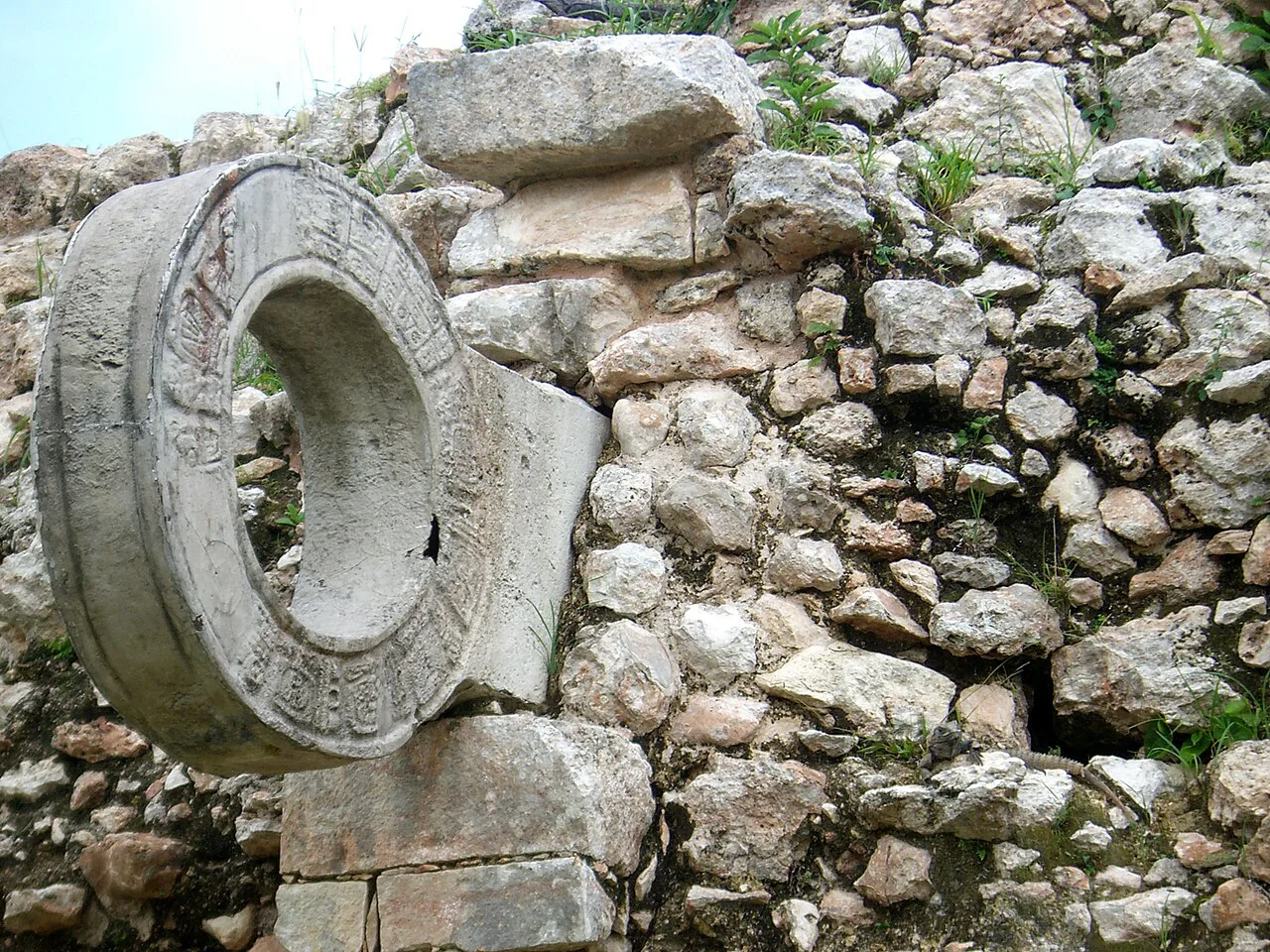
The buildings to see, in walking order
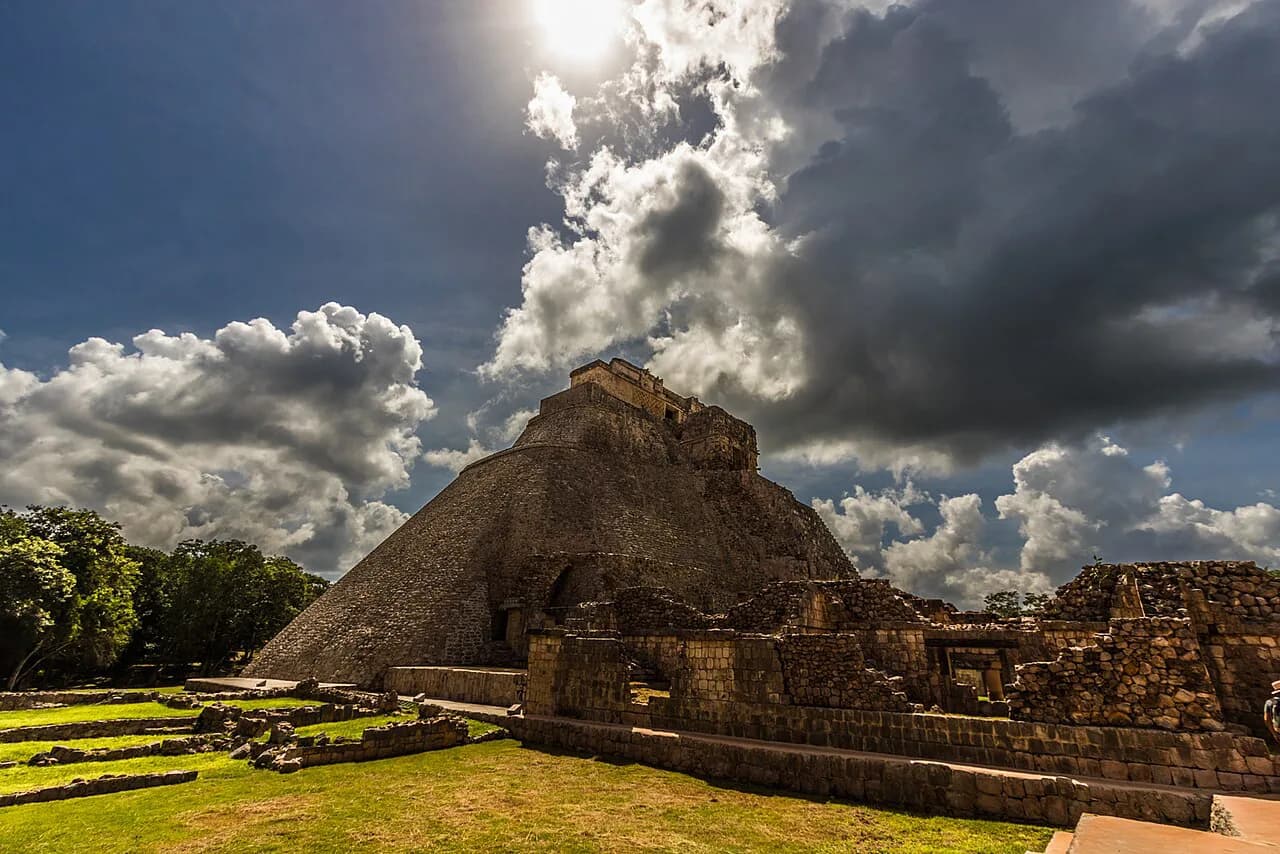
The Pyramid of the Magician is the icon of Uxmal and the first structure most visitors head for. The Spaniards called it the Pyramid of the Soothsayer, and it dominates the ceremonial center. Start here while the light is low and the tour groups have not yet arrived.
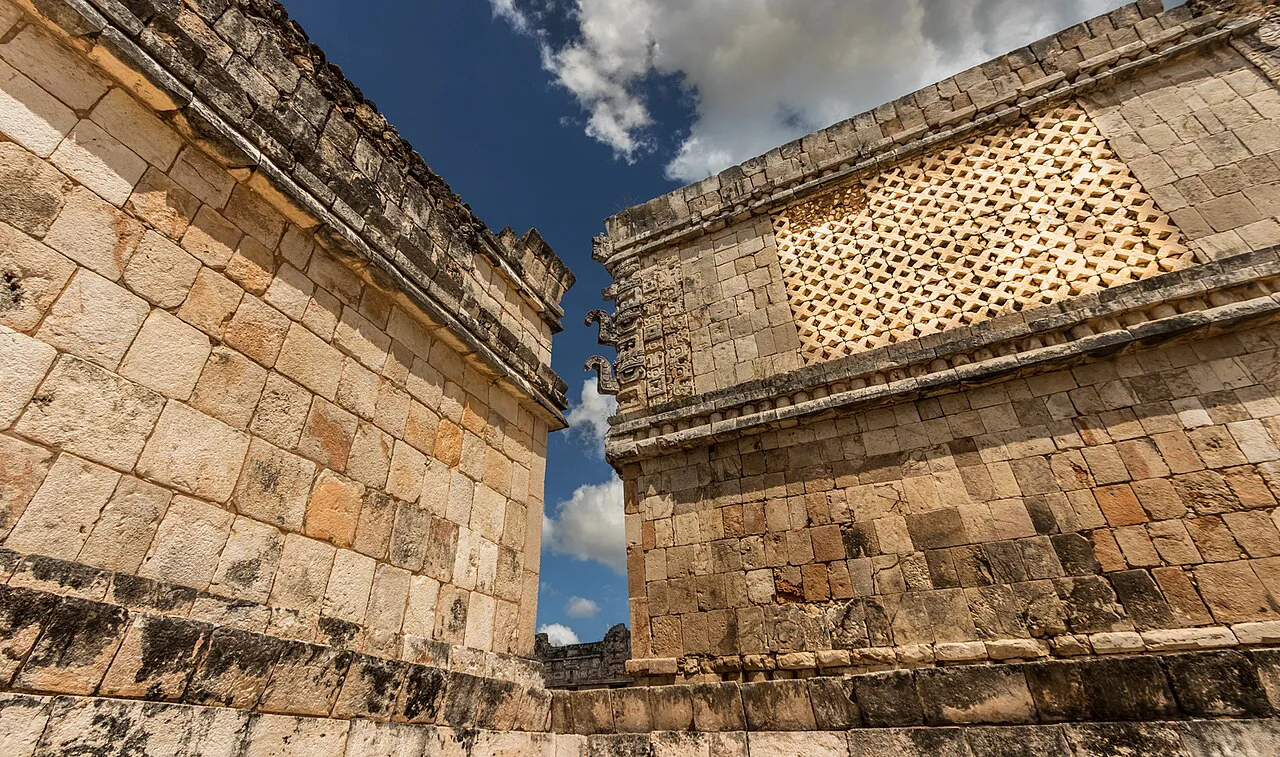
The Nunnery Quadrangle takes its name from a 16th-century comparison to a convent. Four palaces on different levels surround a courtyard, and the stonework on the upper façades is the densest carving at the site. Walk the four sides rather than cutting across the courtyard; the reliefs reward a slow pass.
The Governor's Palace has one of the longest facades in Pre-Columbian Mesoamerica, and a corner detail shows the intricate relief work up close. Nearby, the Ball Game court was built in the late 9th century and used for ceremonial games. The Great Temple, also called the Great Pyramid, gives you a raised view back over the site on a clear day.
How the site is laid out and how long a visit takes
Uxmal spreads across open plazas linked by unpaved paths, with the Pyramid of the Magician, the Nunnery Quadrangle and the Governor's Palace forming the spine of a natural route. Allow three to four hours to see the main structures without rushing. Because the site is compact compared with Chichén Itzá, you can see the headline buildings in a morning and still have the afternoon for a nearby ruin.
Iguanas are everywhere at Uxmal, and their camouflage means you will walk close to them without noticing until they bolt. Watch your footing on the stone edges and keep an eye on the path rather than only the façades.
Getting there from Mérida by car or bus
From Mérida, take Highway 180 to Muna and then on to Uxmal; it is a fast, modern highway, and the drive takes about one hour. A rental car gives you the most flexibility, since you can stop at Kabah on the way back and set your own departure time. Fill the tank in Mérida and carry cash for any site fees.
Buses run from Mérida to Uxmal, and in 2020 the fare was around 60 to 80 Mexican pesos, a figure worth rechecking at the terminal before you rely on it. The catch is the return schedule: you go when the bus goes, and that shapes how long you get at the ruins. If you take the bus, plan your walking order around the departure time rather than the other way round.
Getting there from Cancún and Valladolid
From Cancún, Uxmal is about a four-hour drive, which makes it a long day out and a poor fit for a Riviera Maya base. The sensible plan is to stay a night in Mérida or Valladolid and approach the ruins from there. If you are already in Mérida, use the city as your base and treat Uxmal as a morning outing. If you have a spare afternoon once you are back, our guide to things to do in Merida fills it well.
That distance is also why Uxmal feels less crowded than Chichén Itzá. It sits too far from the Riviera Maya for most day-trippers, so the site gets far fewer visitors. The trade-off is a longer transfer, but you gain space at the Pyramid of the Magician and the Nunnery Quadrangle.
If you are building a Mérida itinerary around the ruins, spend the rest of the day on the city's own sights, from the Paseo de Montejo to the Plaza Grande, and read up on things to do in Merida before you book.
Tickets, hours and what to confirm before you go
Uxmal's entrance fee and opening hours are not fixed figures you should plan around from a third-party page. Check the official site's own ticket information before you set out, and bring cash in Mexican pesos in case the card reader is down. Buy your ticket on arrival unless you are on a guided tour that includes entry.
Some structures may be roped off for conservation, and climbing access can change without notice. Ask at the ticket window which buildings are open on the day you visit so you can plan your walking order around them.
Heat and shade: timing the visit around the sun
The Yucatán sun is the main obstacle at Uxmal, not the distance. A visitor who arrived around noon described searing heat with little shade available across the open plazas. Arrive at opening, when the light is softer and the stonework photographs better, and carry more water than you think you need.
The lack of shade is a scheduling detail, not a footnote. Plan your exposed walks, such as the open approach toward the Great Temple, for early morning, and save the shaded sides of the Nunnery Quadrangle for the hottest part of the day. A wide-brim hat and sunscreen matter more here than at sites with tree cover.
Pairing Uxmal with Kabah, Labná and Sayil
Uxmal is part of a cluster of ceremonial sites that includes Kabah, Labná and Sayil, and together they are considered a high point of Maya art and architecture. With a car you can link two or three of them in a single loop south of Mérida without adding much driving. Check each site's opening days before you set out, since not all of them run on the same schedule as Uxmal.
If you are staying in Mérida, other ruins and day trips fit the same pattern. Mayapán is a walled Maya city near the city, and Celestún gives you a completely different landscape on the Gulf coast. Pick one per day rather than trying to stack three.
For a change of scenery on another day, head north to the Malecón Tradicional in Progreso, Yucatán, where the coast is a short drive from Mérida and the pace is slower than the ruins.
Chichén Itzá or Uxmal: how the two compare
Chichén Itzá draws the tour buses and gets the lion's share of attention on the peninsula, and that is exactly why some travelers skip it. Uxmal offers a comparable set of major buildings, including a ball court, with far thinner crowds. Uxmal is a UNESCO World Heritage Site, so the comparison is about logistics and atmosphere, not quality. If you are weighing the two, our Chichén Itzá guide covers the crowds and timings on the other side.
Choose Uxmal if you are based in Mérida and want a half-day trip with breathing room. Choose Chichén Itzá if you are on the Riviera Maya and need a single big ruin within reach. There is no winner in the abstract; the right answer depends on where you are sleeping, and the same is true of the wider things to do in Merida when you weigh ruins against city sights.
Beyond the ruins: Mérida, the coast and the wetlands
A base in Mérida lets you mix ruins with city life, from the Plaza Grande to the Paseo de Montejo. If you are planning a Mérida city day, our guide to Things to Do in Mérida covers the plazas, markets and museums worth your time.
For another day out, Celestún Biosphere Reserve on the Gulf coast is a well-known stop for wildlife watching, and Progreso is the closer option if you want a beach afternoon. Neither replaces Uxmal; they simply give you a reason to extend your stay in Mérida.
If you want more ruins without the long drive from Mérida, Mayapán: A Walled Maya City Near Mérida sets out what stands at a shorter trip near the city, and Celestún gives you a completely different landscape on the Gulf coast. Pair one of those with a Mérida afternoon and you have a full day without leaving the state.
Which ruin trip to book from Mérida
Book Uxmal as a half-day morning trip from Mérida, with a car if you want to add Kabah or Sayil. If you are coming from Cancún or the Riviera Maya, sleep in Mérida first rather than attempting a four-hour drive each way. Confirm the current entry fee and opening hours before you go, and start early to stay ahead of the heat.
Explore more Merida guides
- Celestún
- Mayapán: A Walled Maya City Near Mérida
- Paseo de Montejo
- Progreso, Yucatán
Frequently Asked Questions
Should I go to Chichén Itzá or Uxmal?
It depends on where you are based. Uxmal sits south of Mérida and is about a one-hour drive from the city, while Chichén Itzá draws far more tour buses. If you want fewer crowds and a shorter trip from Mérida, Uxmal is the natural pick.
How long does Uxmal take?
Allow three to four hours to see the Pyramid of the Magician, the Nunnery Quadrangle, the Governor's Palace and the Great Temple without rushing. The site is compact enough to see the main buildings in a morning.
Can I visit Uxmal without a car?
Yes. Buses run from Mérida, though the return schedule controls how long you get at the ruins. A rental car gives you more flexibility to stop at nearby sites such as Kabah on the way back.
Sources
Notes for your next Mexico trip
Optional updates when we add or correct a town guide.
You might also like
Continue reading
More guides you'll find useful