Chichén Itzá: How to Visit, What to See and How Long It Takes
Plan a Chichén Itzá visit with what to see, how to get there from Cancún, Mérida or Valladolid, opening hours and how long to allow at the ruins.
On this page
Plan on a half day at Chichén Itzá itself, then add travel each way depending on where you sleep. The archaeological zone opens daily at 8:00 AM with last entry at 3:00 PM, so a Valladolid start lets you be inside before the big tour groups arrive from the coast. This guide covers what stands inside the zone, how climbing rules shape the visit, how to reach the site from each base, and how to order the walk so heat and crowds work against you as little as possible.
Two practical details decide how smooth the day goes: the core archaeological zone covers about 5 square kilometers, all of it walked on foot, and Yucatán state runs one hour behind Quintana Roo. Budget for sun, water and shade breaks, and set alarms in the local time of wherever you are staying rather than assuming your phone will sort it out for you.
What Chichén Itzá is and where it sits on the Yucatán Peninsula
Chichén Itzá is a Maya archaeological site in Yucatán state, in the middle of the northern Yucatán Peninsula roughly between Mérida and Cancún. Its coordinates put it close to Valladolid, which is the closest tourist city to the ruins, and within day-trip range of Izamal, Tulum and Playa del Carmen. UNESCO listed it as a World Heritage Site in 1988, and it was named one of the New Seven Wonders of the World in 2007.
The name translates as "at the mouth of the well of the Itza," a reference to the founders and to the cenotes that made a large permanent population possible on a peninsula with no rivers or lakes. Historians tie the city's rise to that water access, particularly the Xtoloc cenote. The zone you walk today is the civic and ceremonial core; residential architecture spreads well beyond it.
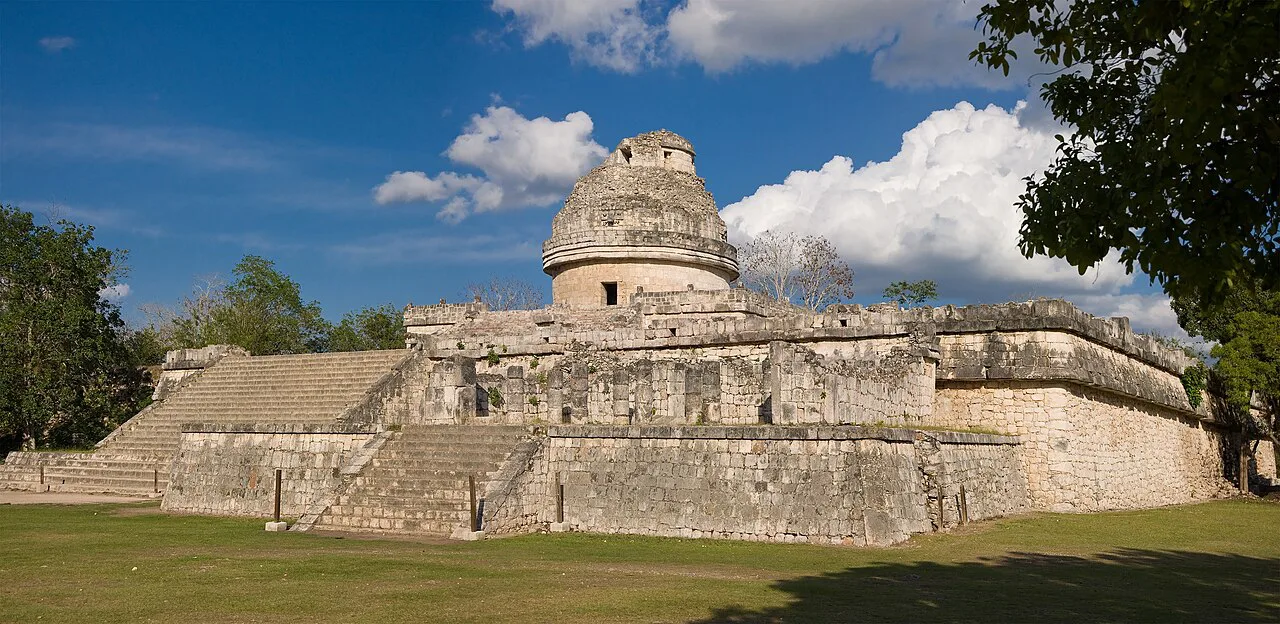
The main structures to see inside the archaeological zone
The headline monuments cluster within walking distance of each other: El Castillo at the center of the main plaza, the Gran Juego de Pelota, the Grupo de las Mil Columnas, the Cenote Sagrado and El Caracol. The Edificio de las Monjas and the Gran Museo de Chichén Itzá round out a full circuit. Archeological evidence puts the city's founding by the Itza Maya in the 5th century AD, with the most iconic monuments, El Castillo included, built during the Early Postclassic period around 900 to 1200 AD.
The site shows two architectural traditions side by side: Puuc-style buildings in the southern area known as Chichén Viejo, and structures with central Mexican influence that appeared after a cultural shift around 900 AD. That mix is the reason a walk here feels different from a single-style Maya site. Give the southern group its own slot rather than treating it as a footnote on the way out.
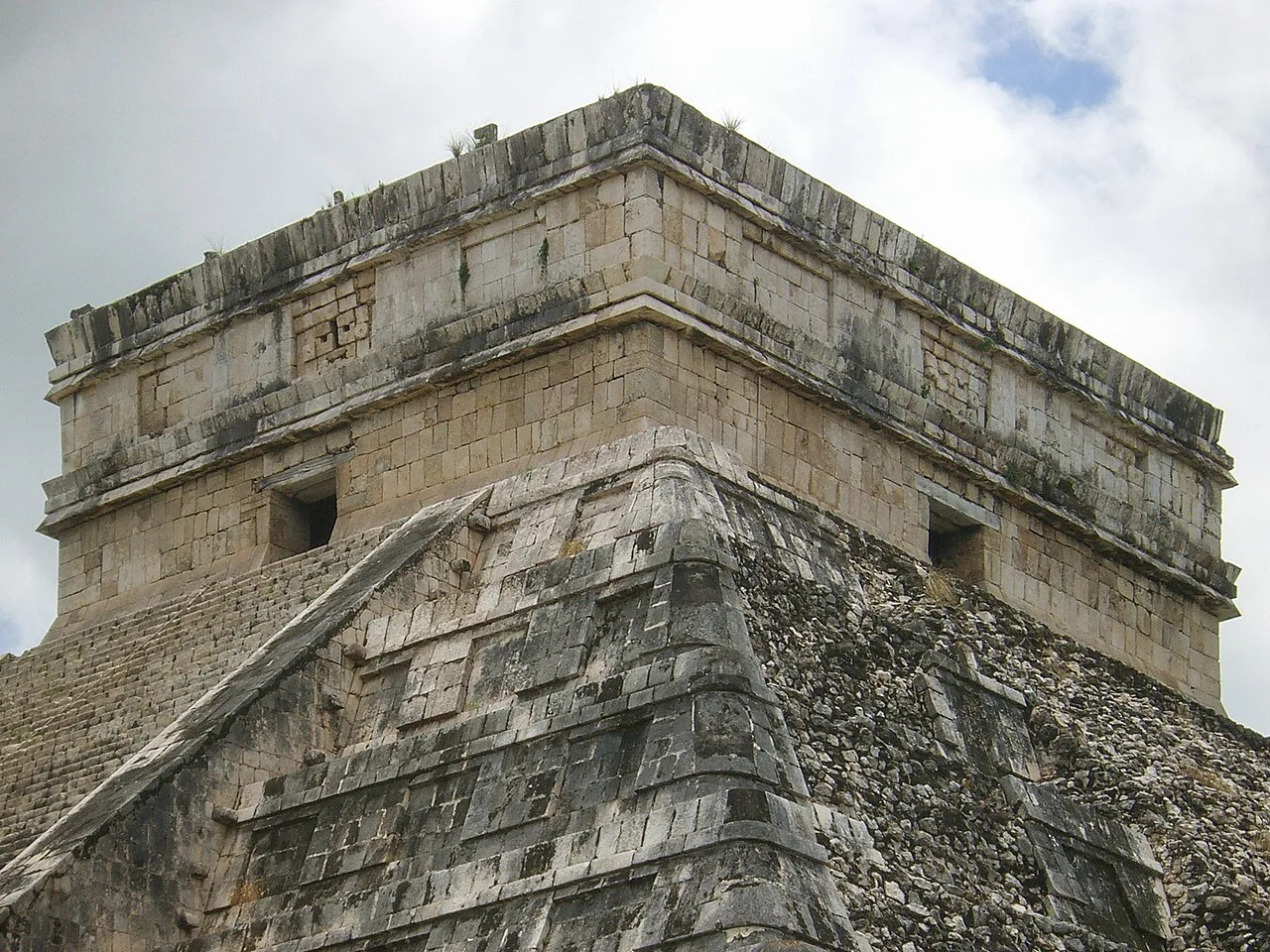
El Castillo (the Pyramid of Kukulcán): what you can and cannot do
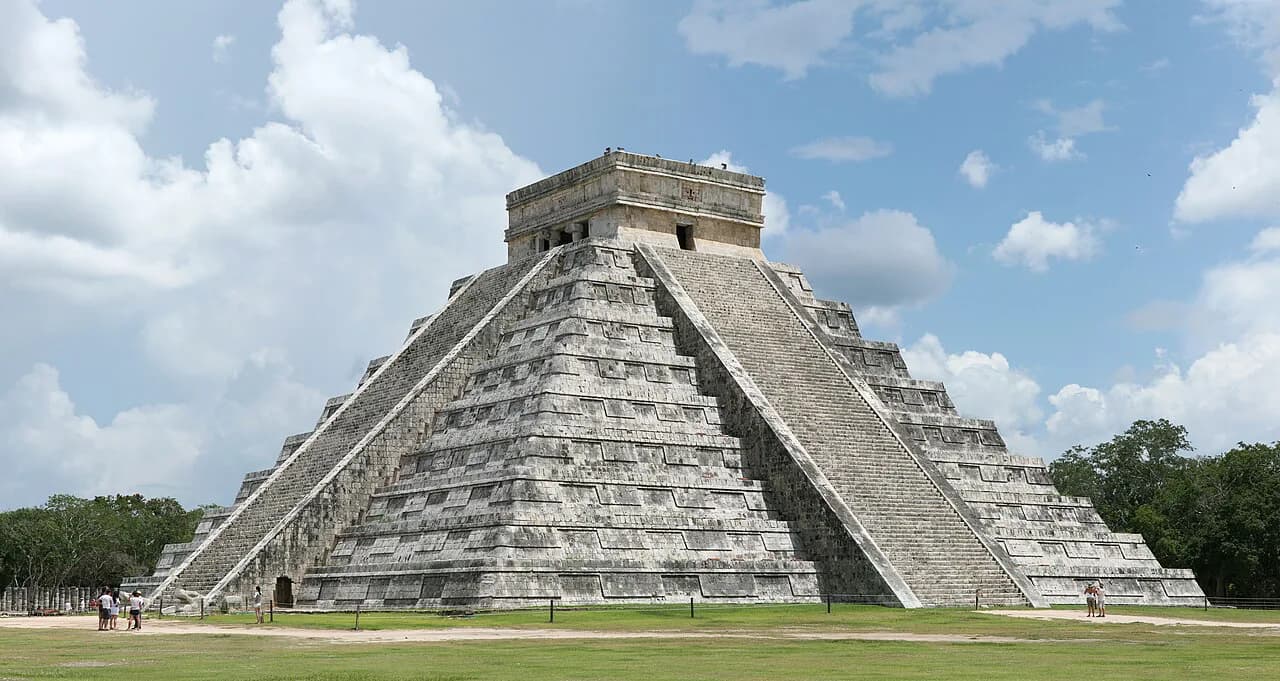
Climbing El Castillo is banned outright. INAH, Mexico's national institute of anthropology and history, enforces a permanent prohibition to protect the structure, so the pyramid is something you circle and photograph from ground level, not ascend. El Castillo rises about 79 feet (24 meters) above the plaza, which is tall enough that the best angles come from stepping back across the open plaza rather than crowding the base.
Without a climb, the pyramid rewards slow looking: the stairways, the carved serpent heads at the base of the northern staircase, and the way the whole structure sits in relation to the plaza. Walk a full loop before settling on photos, because the light and the crowds shift noticeably from side to side. This is also the single most congested point in the zone, so see it early if you arrive at opening.
The Gran Juego de Pelota, Grupo de las Mil Columnas and El Caracol
The Gran Juego de Pelota is the ball court, and the Grupo de las Mil Columnas is the forest of standing columns that reads as a colonnade even in ruins. Both sit close enough to El Castillo to combine in one loop. If you have seen other ball courts in Mexico, this one still earns its stop on scale alone, and it is a natural place to slow down once the plaza fills.
El Caracol is the observatory, a round structure whose form stands out from the squared-off buildings around it. Pair it with the Edificio de las Monjas in the same stretch of walking. For a contrast in scale and atmosphere, the Ball Court and stacked stonework at Ek Balam make a quieter companion site on another day, and that site is climbable where El Castillo is not.
Cenote Sagrado and the buildings of Chichén Viejo
The Cenote Sagrado is a natural sinkhole inside the zone and one of the reasons the city exists where it does. You view it rather than swim in it, so treat this stop as a fifteen-minute look and a breather rather than a swimming break. For an actual swim, plan a cenote stop outside the ruins on the same day; the cenote Ik Kil sits near Chichén Itzá in Tinúm Municipality and pairs naturally with a morning at the ruins.
Chichén Viejo holds the oldest structures, the southern group in Puuc style with finely cut stone and geometric facades. It is the part of the site most visitors skip when heat builds, and it is worth the extra walking if architecture interests you more than the headline photo. Decide before you enter whether you are doing the core loop only or the full zone, because that choice sets your total time.
Opening hours and last entry
The site opens daily at 8:00 AM and closes entry at 3:00 PM. Arriving at opening is the single most useful planning move: the plaza is emptiest then and the worst heat is still ahead. A 3:00 PM last entry does not mean a short visit, but it does rule out late-afternoon arrivals, so build the drive backward from that cutoff.
Entry tickets and what they cover
Admission is ticketed, and the site runs a separate evening sound and light show that is not part of the daytime entry. Confirm the current ticket price, what it includes and whether your ticket covers the show when you buy, since those details change. Buy through the official ticket channel rather than a reseller, and keep the ticket on your phone and on paper in case one fails.
How to get there from Cancún, Playa del Carmen and Tulum
From Cancún, Chichén Itzá is roughly 200 kilometers (124 miles) west, about 2.5 to 3 hours each way via the toll road, Highway 180D. The most common approach is a guided tour, but you can also rent a car or take a public bus from downtown Cancún. Driving yourself gives you the 8:00 AM arrival that tours rarely match.
From Playa del Carmen the distance is about 180 kilometers, roughly 2.5 hours, by tour, public bus or your own car. From Tulum it is about 2 hours, fastest via Highway 109 to Valladolid. Both coast bases mean a long day with early starts, so decide whether you want the ruins at opening or a later, hotter, busier arrival. If you are weighing which coast base suits your trip, our guide to the Tulum ruins covers the clifftop site.
How to get there from Mérida, Izamal and Valladolid
Valladolid is the closest tourist city, with a 30 to 40 minute drive on Highway 180 straight to the ruins, plus public transport from the city terminal. Mérida is about 1.5 hours away and Izamal about 1 hour via Highway 180D. If your priority is an uncrowded first hour at El Castillo, base yourself in Valladolid rather than on the coast.
Valladolid also works as a base for the surrounding sights, including Izamal, whose yellow convent complex makes an easy half-day add-on. Build the ruins into a two-night Valladolid stay and the driving stops dominating your trip.
Getting around the site on foot: distances and heat
Everything inside the zone is on foot, across roughly 5 square kilometers of core area, with little shade on the main plaza. Wear a hat, carry more water than feels necessary, and plan the exposed central plaza for early and the tree-lined southern group for later. There are no shortcuts between the far clusters, so the order you walk matters more than the pace.
How long a visit takes and how to order the day
Allow three to four hours inside the zone for the core monuments, and closer to five if you add Chichén Viejo and the site museum. Start at El Castillo the moment you enter, then the ball court and colonnade, then El Caracol and the Monjas, finishing at the Cenote Sagrado as the heat peaks. That order front-loads the icons and back-loads the walking.
Pair the ruins with a cenote on the way back for a swim and a meal, which turns a half day into a full one without adding another long drive. Cenote Suytun is a popular Valladolid-area stop, and Cenote Zaci in Valladolid itself is the easiest add-on if you want to stay in town.
Tours versus the ADO bus versus driving yourself
Tours handle the driving and often bundle a cenote and lunch, but they run on fixed schedules and rarely reach the gate at 8:00 AM, so you trade flexibility and early arrival for convenience. Public buses from Cancún, Playa del Carmen and Valladolid cost less and let you set your own hours, though you then manage the last stretch to the gate yourself. A rental car costs the most but gives you the opening-time arrival and the freedom to stop at cenotes on the way back.
The one-hour time difference between Quintana Roo and Yucatán
Yucatán state runs one hour behind Quintana Roo, so a tour pickup time quoted by a Cancún operator and the site's 3:00 PM last entry are not on the same clock. Independent travelers on the bus or in a car need to reset watches at the state line. Ask whether a quoted pickup time is Cancún time or site time before you set an alarm.
The sound and light show and the equinox serpent shadow
The evening sound and light show is a separate experience from the daytime ruins and is the reason some travelers stay overnight in Valladolid rather than day-tripping from the coast. Check the current schedule and whether the show runs in English or Spanish before you build an evening around it.
At the spring and fall equinoxes the setting sun throws seven triangular shadows down the northern staircase toward the carved serpent head, an effect visible for about a week before and after each equinox rather than only on the exact date. That window is the useful planning fact: pick an adjacent day for the same view with smaller crowds. The equinox dates shown for 2026 are March 20 and September 22.
Combining Chichén Itzá with Valladolid and nearby cenotes
The strongest one-day combination from Valladolid is an 8:00 AM arrival at the ruins, a cenote swim at midday, and an afternoon in the city. Cenote Xkeken near Valladolid, in the Dzitnup area, and Cenote Samulá sit close enough to pair on the same loop. For a different mood, Hacienda San Lorenzo Oxman or Hacienda Selva Maya near Chichén Itzá offer a cenote stop with facilities.
With a second day, add Ek Balam and its climbable ruins, or head north to Río Lagartos for the biosphere reserve and its flamingo-filled waterways. Both work as full-day outings from Valladolid and keep the ruins trip from collapsing into a single long bus ride.
Should Chichén Itzá be a day trip or an overnight?
Make it an overnight from Valladolid if you want the 8:00 AM opening without a punishing drive, and the day trip from Cancún or Tulum if your schedule only allows one long outing. Either way, the difference between a good visit and a frustrating one is arriving early, walking the core in a deliberate order, and leaving the southern group for when the sun is high.
Explore more Valladolid guides
- Cenote Ik Kil
- Cenote Oxman
- Cenote Saamal
- Cenote Samulá
- Cenote Suytun
- Cenote Xkeken
- Cenote Zaci
- Ek Balam
- Izamal, Mexico
- Rio Lagartos
Frequently Asked Questions
Is Chichén Itzá in Cozumel?
No. Chichén Itzá is in Yucatán state on the mainland, roughly between Mérida and Cancún. Cozumel is an island off the Quintana Roo coast and requires a ferry to reach the mainland before any drive to the ruins.
Why can't you climb Chichén Itzá anymore?
INAH enforces a permanent ban on climbing El Castillo to protect the structure. You can walk the full archaeological zone and photograph the pyramid from ground level, but not ascend it.
Is Chichén Itzá worth visiting from Cancún?
Yes, if you accept a long day. The drive is about 2.5 to 3 hours each way via Highway 180D, so an early start or an overnight in Valladolid makes the trip far more comfortable than a same-day round trip from the coast.
How old is Chichén Itzá?
Archaeological evidence places its founding by the Itza Maya in the 5th century AD, making the city well over 1,500 years old, with the most iconic monuments built between roughly 900 and 1200 AD.
Sources
Notes for your next Mexico trip
Optional updates when we add or correct a town guide.
You might also like
Continue reading
More guides you'll find useful