Cozumel: What to See, How to Get There and How Long You Need
Cozumel is a dive island and cruise port 19 km off Playa del Carmen. Plan San Miguel, the marine park fee, taxis, the ferry and how many days you need.
On this page
Cozumel is Mexico's largest inhabited island, roughly 48 kilometers long and 16 wide, sitting 19 kilometers off the mainland opposite Playa del Carmen. Almost everyone lives in one town, San Miguel, and that single fact shapes how you plan a trip: you base in town, then move outward by taxi, rental car or boat. This guide covers what the island is, where San Miguel puts you, how to arrive from Cancún or Playa del Carmen, what to see on land and underwater, and how many days the place supports.
Two economies share the island. One is diving, built on the reefs that run along the west and south coasts; the other is cruise ships, which brought a record 4.73 million passengers on 1,300 calls in 2025. The stayover island is noticeably calmer than the one a ship passenger sees, which is why timing your town days around the ship schedule pays off.
Where Cozumel sits and how the island is laid out
San Miguel holds 84,915 of the island's 88,626 residents at the 2020 census, so the rest of Cozumel is coast, reef and a handful of sites rather than a string of towns. The west side faces the mainland and carries the calm water, the town and most of the diving; the east side is the windward coast, with bigger surf. Get oriented before you book anything, because distances that look short on paper translate into taxi fares once you leave San Miguel.
A Cozumel Map helps here more than on most islands, since there is one road loop, one town grid and a clear split between the leeward and windward shores. Keep the layout in mind when you plan a day: town errands, a dive and a ruin visit rarely stack neatly because each pulls you in a different direction.
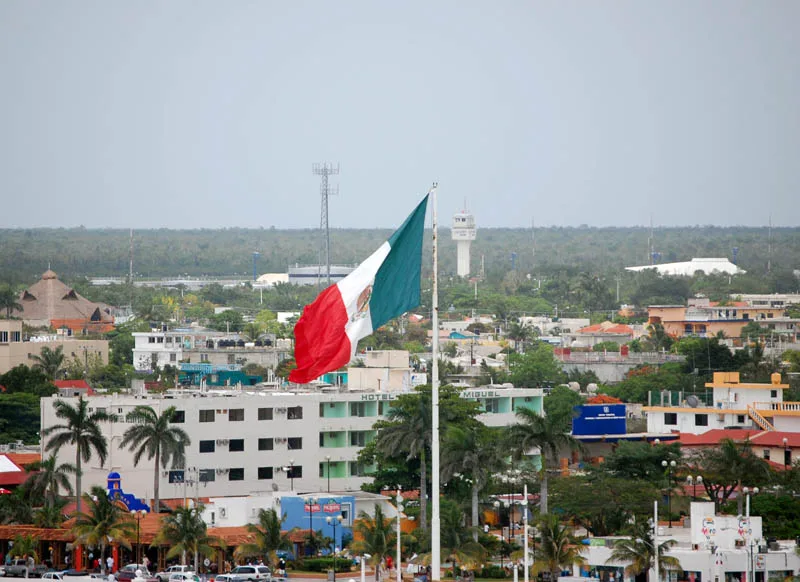
San Miguel: the malecón, the airport and the town grid
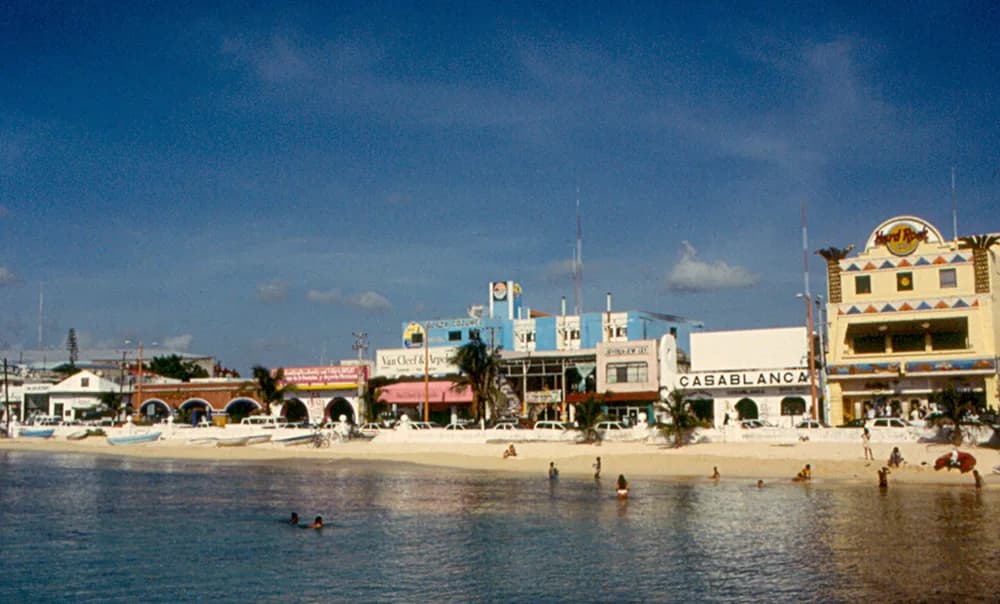
Cozumel International Airport (CZM) sits on the north edge of San Miguel, which means a landing puts you minutes from the town rather than an hour down a highway. The waterfront runs along Avenida Rafael Melgar, the street most visitors picture when they think of the island, with the malecón tracking the shore. Walk a few blocks inland, though, and the town changes: prices fall and the restaurants start cooking for residents.
Treat the Melgar waterfront as a promenade rather than the whole town. Downtown Cozumel is a compact grid you can cross on foot, which makes San Miguel unusually convenient for an island of this size. Load a map on your phone before you walk, since street names repeat and the one-way pattern takes a block or two to learn.
Getting to Cozumel from Cancún or Playa del Carmen
You have two routes. Cozumel's airport receives scheduled and charter flights from the US, Canada, Europe and within Mexico, so a direct flight is the simplest arrival. If fares or connections favor Cancún, take ground transport south to Playa del Carmen and cross by ferry, which is how most budget-conscious travelers piece the trip together.
The bus leg is straightforward: ADO runs non-stop service from Cancún Airport to the Playa del Carmen bus station, a ride of about an hour and fifteen minutes, and the fare was quoted at 260 pesos per person when that page was written. Private shuttles and taxis queue outside the terminal after customs. Mayair also runs a small-plane connection from the Cancún airport to Cozumel if you would rather skip the ferry entirely.
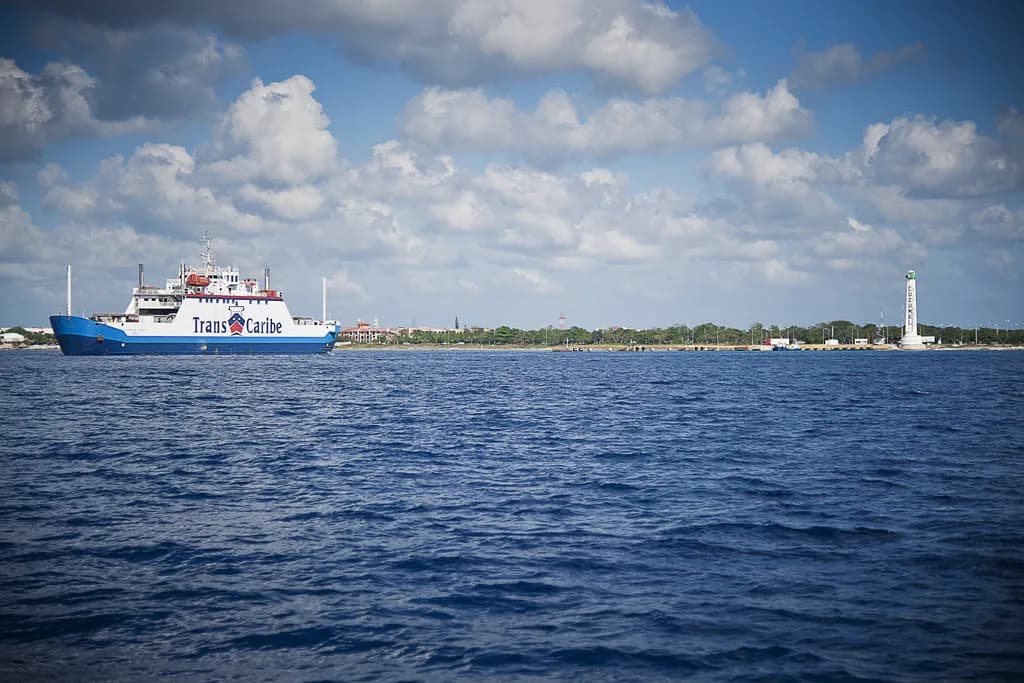
The Playa del Carmen ferry and why you buy one-way
From the Playa del Carmen bus station it is roughly a 10-minute walk to the ferry dock, and tricycle porters hire out to haul heavy bags if you are traveling with more than you can carry. Three companies cross to Cozumel: Winjet, Ultramar and Xcaret Xailing. The crossing runs around 30 to 40 minutes, and a one-way fare was quoted at 320 to 350 pesos per person on the source page.
Buy one-way rather than round-trip. A round-trip ticket locks you into the same company for the return, while a one-way leaves you free to take whichever boat suits your schedule on the day you head back. That flexibility matters if your departure day involves a bus or a flight from Cancún.
Getting around: taxis, rentals and the scooter trade-off
San Miguel is walkable, and taxis charge regulated zone fares, so short hops around town are easy to price. Beyond town there is no public transit, which means the east coast, Punta Sur and San Gervasio all require a taxi, a rental car or a scooter. The cheap option and the riskiest option are the same one: scooters account for most visitor road accidents on the island, so weigh your comfort level before you take that route.
If you want the freedom of the loop road without the scooter risk, a rental car for a day covers the east coast, Punta Sur and a ruin stop in one sweep. Otherwise, build your days around taxis and accept that each out-of-town outing is a separate fare. Either way, plan your town time and your coast time as separate blocks rather than trying to interleave them.
Diving, the reef and the marine park fee
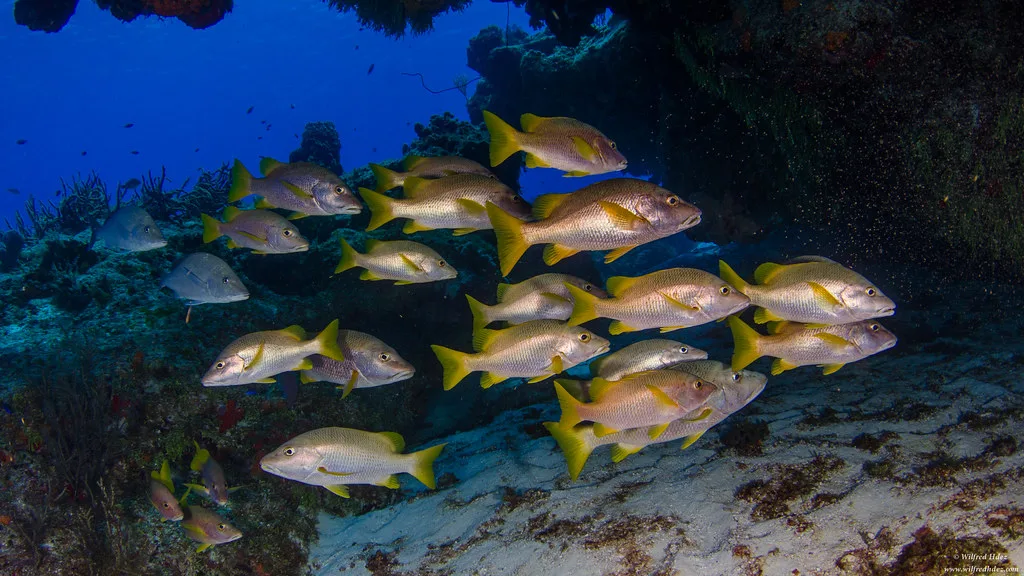
Cozumel's reefs run along the west and south coasts, and the current along the west wall does most of the work for you, with visibility that often tops 100 feet. Palancar is the name most associated with the drift dives. A two-tank trip ran roughly US$118 to $130 before the marine park fee in the pricing the island guide collected, and the park fee itself was M$225, paid in cash.
That fee structure is the thing to plan around: the park fee sits on top of the dive price rather than inside it, so keep pesos on hand for the day you dive. On a normal dive you can expect turtles, nurse sharks, toadfish and green moray eels, with spotted eagle rays showing up in season. Small boats carrying six to twelve divers are common, which keeps the dive day quieter than the cruise piers suggest.
Mayan sites on the island: San Gervasio and the smaller ruins
More than 30 archaeological sites on Cozumel show occupation from about 300 BCE, and San Gervasio is the one to prioritize. It is a cluster of six building groups joined by white raised roads called sacbes, and it anchored the pilgrimage to Ixchel. El Cedral, Castillo Real and El Caracol round out the list of Mayan sites on the island if you have the time and a vehicle.
Because San Gervasio sits outside San Miguel and there is no public transit, treat it as a half-day outing that pairs with a stretch of the east coast rather than a quick stop. Check what the site charges and when it opens before you commit a day to it, since those details shift.
West shore beach clubs versus the windward east coast
Set your beach expectations before booking. The calm west side is mostly rocky, and its sandy stretches have been turned into beach clubs that charge entry or expect you to buy food. The east side has big surf and undertow that make swimming dangerous. If long white sand is the point of your trip, Playa del Carmen, Tulum and Isla Mujeres are the better fit, and it is worth reading up on Cancun Attractions if you are weighing a mainland beach base. For a closer look at that island option, our Isla Mujeres guide covers what to see and do on a day trip from Cancún.
That does not make the west shore a write-off. Beach clubs give you a place to sit, eat and swim between dives, and renting a car is the practical way to reach them at your own pace. Budget for the entry or the food minimum as part of the day rather than treating it as an extra.
Chankanaab and the marketed parks
Chankanaab is the island's most marketed park, and its draw is a beach, a lagoon and a dolphin pen. Entry ran US$31 in the pricing the island guide collected, and plenty of visitors decide the fee is not worth what it buys when the reefs and town are already there. If you go, know that you are paying for a packaged version of what the island offers elsewhere.
Eating inland and away from Avenida Rafael Melgar
The waterfront along Avenida Rafael Melgar is margaritas and tourist pricing, and you have to walk inland to eat well. Yucatecan cooking is the local standard, with La Cocay among the named tables, and cheap breakfasts cluster near the municipal market. Neighborhood taquerías and loncherías are where the everyday food is.
The same logic applies to drinks and souvenirs: waterfront shops have sold tequila at about twice what a local grocery charges. Step off Melgar before you buy, whether that is a bottle, a meal or a coffee. If shopping is part of your plan, compare Melgar prices against an inland store before committing.
Cash, cards and what to keep in pesos
Carry pesos for the marine park fee, taxis and market food, because these are the places where cash does the work. Dive pricing and park fees were quoted in both dollars and pesos, but paying the local fee in pesos keeps the transaction simple. Draw cash in town rather than relying on card readers at small operators.
How long Cozumel needs: a cruise day, three days, five days or a week
A cruise-day visit covers a slice of San Miguel and one excursion, which is why ship passengers so often leave without seeing the island. Three days gives you a dive day, a town day and a loop of the east coast or San Gervasio. Five days adds a second dive block and a slower town rhythm; a week or more suits divers who want to settle in.
Build the itinerary around the ship schedule if you can. December 2026 has 161 scheduled ship calls, with up to eight on a single day, and Sundays get the fewest calls. A town day that lands on a quiet Sunday feels like a different place from one that collides with eight ships.
Where Cozumel fits in a longer Yucatán trip
Cozumel is a 35-minute ferry ride from the mainland and the Riviera Maya, which makes it easy to slot into a trip built around Playa del Carmen or Tulum. If sand is the priority, put your beach days on the mainland and use Cozumel for reef time and town life. Travelers flying through Cancún can see what the mainland offers before or after the crossing.
Cruise-ship timing and the stayover island
Ship passengers funnel into packaged excursions and the piers, and the town empties out in the late afternoon when they sail. If you are staying over, front-load your out-of-town outings for the busiest ship hours and save the town for the evening. That one adjustment separates a crowded Cozumel from a working Mexican town.
Decide whether Cozumel is a dive trip or a town trip
Cozumel works best when you pick a lane. Divers should plan around the west wall, budget the marine park fee in cash on top of the two-tank price, and use San Miguel as a base rather than a destination. Travelers who mostly want a town will find the island generous once they walk inland from Melgar and time their days against the ship schedule.
If you want long white beaches, put those days on the mainland at Playa del Carmen, Tulum or Isla Mujeres and cross to Cozumel for the reef and the ruins. If you are weighing the mainland base itself, compare these Cancun Attractions before you fix your dates. Check current fares, ferry times and site entry before you lock your dates, since the peso prices quoted here come from earlier years.
Explore more Cozumel guides
- Cozumel Map
- Cozumel Sunset
- Shopping in Cozumel
- The Cozumel Ferry
Frequently Asked Questions
Do you need a passport to go to Cozumel?
Cozumel is in Mexico, so US citizens need a valid passport to enter the country, and the island's airport receives international flights from the US and Canada. Confirm your document requirements with the airline and with Mexican immigration before booking, since rules can change.
How long is the ferry from Playa del Carmen to Cozumel?
The crossing runs around 30 to 40 minutes with Winjet, Ultramar or Xcaret Xailing. You walk about 10 minutes from the Playa del Carmen bus station to the ferry dock, and one-way fares were quoted at 320 to 350 pesos when the source page was written.
What is the population of Cozumel?
The island had 88,626 residents at the 2020 census, and 84,915 of them lived in San Miguel. That concentration is why almost everything on the island happens in one town.
What is Cozumel known for?
Diving on reefs that run along the west and south coasts, drift dives at Palancar, the Maya site of San Gervasio and its sacbes, and a cruise port that brought 4.73 million passengers on 1,300 calls in 2025. It is also Mexico's largest inhabited island.
Sources
Notes for your next Mexico trip
Optional updates when we add or correct a town guide.
You might also like
Continue reading
More guides you'll find useful