Palenque Ruins: What to See, How to Get There, How Long to Allow
The Palenque ruins in Chiapas hold the Temple of the Inscriptions, the Palace and the Temple of the Cross. See how to get there and how long a visit takes.
On this page
The Palenque ruins are a half-day to full-day Maya site in the Chiapas jungle, best walked in the morning before the heat builds and paced around the named temples and the Palace rather than a straight loop. Set aside three to four hours inside the site, plus travel time from the town of Palenque or from San Cristóbal de las Casas.
This guide separates the archaeological zone from the town of Palenque, names each standing structure so you can build a walking order, and covers the bus approach, the jungle heat and what to confirm before you set out. Budget decisions about tickets and hours belong to the official site administration, so check them directly the day before you go.
Where the Palenque ruins sit in the Chiapas jungle
The ruins lie in the lowland rainforest of Chiapas in southern Mexico, a hot, humid setting that shapes how you plan the visit more than any single structure does. From the town of Palenque, the archaeological zone is a short trip out of town, and most visitors base themselves in the town rather than at the site.
The site is one part of a wider Maya landscape in Chiapas and the neighboring lowlands, and travelers often pair it with other ruins and natural sights on the same loop. Treat it as an outdoor archaeological park: paths, stairs, clearings and shade, with the jungle pressing in at the edges.
The structures you will walk past
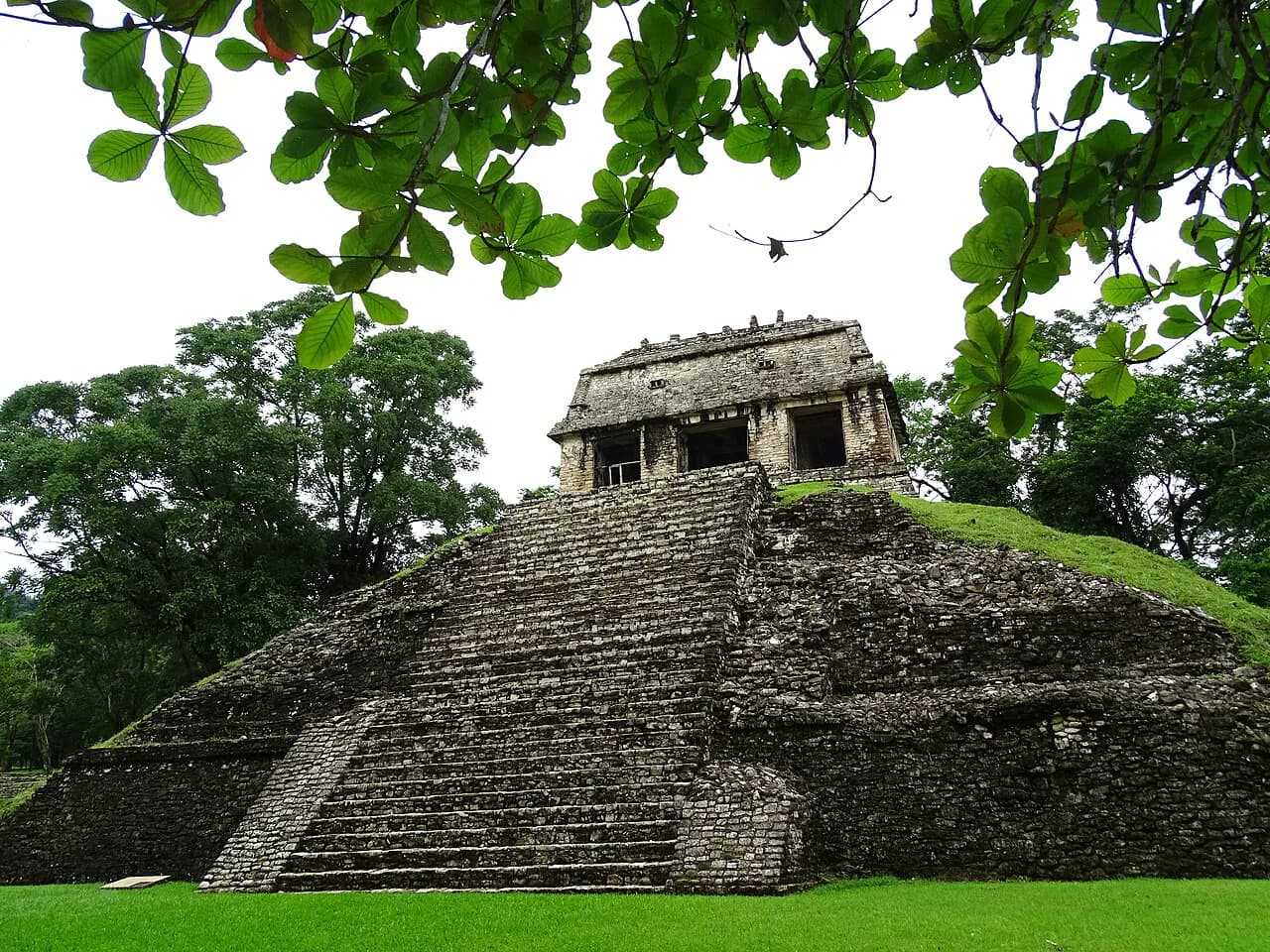
Inside the cleared area you pass a compact group of named buildings: the Temple of the Inscriptions, Temple XIII, the Palace, the Temple of the Sun, the Temple of the Cross, Temple XIV, Temple XV, the Temple de la Calavera and the Ball Court. Walking them in that rough sequence keeps you moving from the entrance area through the main plaza group and out toward the Cross group.
The Temple of the Inscriptions is the tall stepped pyramid that anchors the site, and Temple XIII sits beside it. Temple XIV, Temple XV and the Temple de la Calavera are smaller structures you pass between the larger ones, so keep an eye out rather than rushing from pyramid to pyramid.
The Temple of the Sun and the Temple of the Cross stand in the group further from the entrance, and the Ball Court lies among the central buildings. Carry water and take the stairs at your own pace, since the ground is uneven and the humidity is steady.
Pacal the Great and the Temple of the Inscriptions
The Temple of the Inscriptions is described as the burial place of Pacal the Great, the ruler associated with the site's best-known pyramid. Read the structure with that in mind: the stepped exterior and the interior chambers are the reason this building draws the longest look from most visitors.
Interior access to tombs and chambers depends on conservation work, so plan to admire the exterior and the setting and follow whatever route is open on the day. Ask on arrival which buildings are open to climb or enter.
The Palace in detail
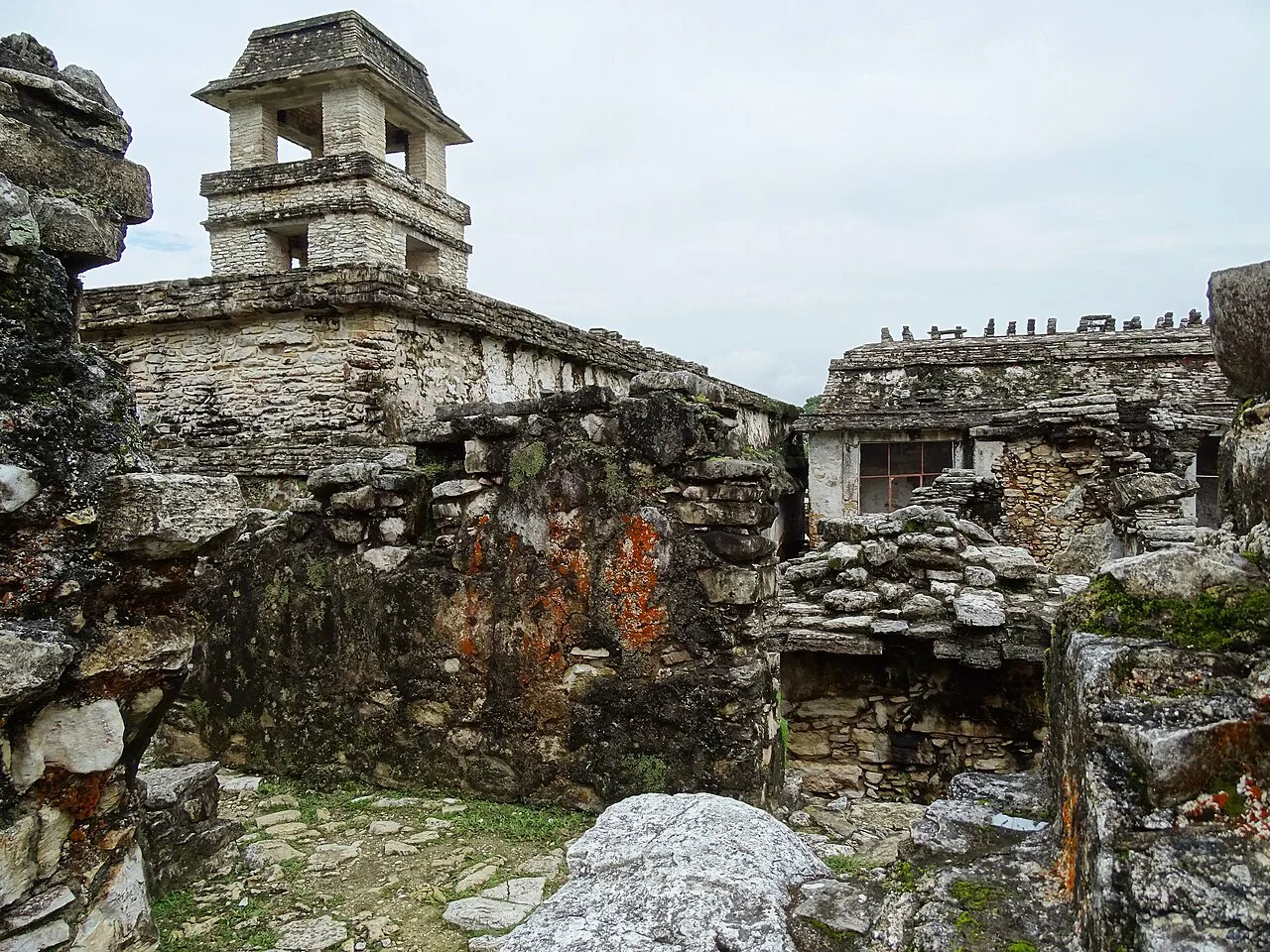
The Palace is the sprawling complex at the center of the visit, with a courtyard, hallways under the characteristic almost-peaked roof and thick walls. A watchtower, described as a celestial observatory, rises from the complex and gives the Palace its distinctive silhouette.
Look for the T-window and the bas-relief carvings that show what the Maya looked like, both details worth slowing down for on the Palace walls. The courtyard is the natural place to pause, regroup and let a group spread out before moving on.
The Palace is where a walking order pays off: see it after the entrance-area temples and before the Cross group, so you are not doubling back in the heat. Shade inside the complex is limited, so plan the Palace for a cooler part of the morning.
What is cleared and restored, and what is still under jungle
Only a fraction of the ancient city has been cleared, let alone restored, so the site you walk is smaller than the city it belonged to. Expect unexcavated mounds and jungle-covered ground at the edges of the cleared zone, which is part of the site's character rather than a detour.
An unexcavated ruin sits within view of the main buildings, a reminder that archaeology here is ongoing work. Stay on marked paths and do not climb on unrestored mounds.
Getting to Palenque by bus from San Cristóbal de las Casas
The classic overland approach is the bus from San Cristóbal de las Casas, a ride of about five hours in 2012 that climbs through pine forest before dropping into hot, humid jungle. The route mixes pines with palms and banana trees as the elevation rises and falls, so the journey is part of the trip rather than dead time.
From the town of Palenque, arrange transport to the archaeological zone on arrival rather than assuming you can walk from your accommodations; the site sits outside the built-up streets. If San Cristóbal de las Casas is on your itinerary, a stop in San Juan Chamula in the highlands fits naturally on the way.
For the wider loop, Yaxchilán Ruins and Bonampak are the other two Maya-site guides on this route, and Misol-Ha Waterfall near Palenque is the usual add-on for a break from stone and stairs. If you are weighing this site against the coastal alternative, our Tulum ruins guide covers the same decisions about fees, hours and how long to allow.
The town of Palenque versus the ruins
The town of Palenque is a busy working place surprisingly nonchalant about its tourists: stores sell everyday items, school kids gather in the afternoons and music pours out of storefronts along the main drag. That makes it useful for supplies and a meal, and different in character from the quiet of the ruins.
La Cañada is the pretty, quiet, shaded street in town that holds a handful of small hotels and outdoor bistros, and its sultry heat keeps people outside eating until late. The laid-back warmth of the neighborhood is a reason to stay in town rather than rush back out after the ruins.
Walking the back streets of town is its own small pleasure, with jungle plants and flowers and unfamiliar birdsong behind the buildings. Treat town and site as two separate legs of the day and budget travel time between them.
How long to allow and how to pace the day
Plan three to four hours for the cleared site plus setup time, and start early to work the main plaza group and the Palace before the heat peaks. The humidity is steady, so pace yourself over the stairs and treat the courtyard and shaded edges as rest stops.
Pair the ruins with a half-day add-on such as Misol-Ha Waterfall or an excursion toward Yaxchilán, but not both on the same day as the ruins. Saving the town's cafés and restaurants for the late afternoon makes the day feel less rushed.
Vendors, shade and moving between structures
Vendors sell trinkets on shaded blankets before the Palace, so carry small cash if you want to buy. Shade between structures is sporadic, which is another argument for pacing the day and carrying water.
The cleared route connects the entrance-area temples, the Palace and the Cross group without a formal marked loop, so a rough walking order saves steps. Watch for open pathways rather than cutting across grassy or grassy-looking mounds, which may be unexcavated structures.
What to confirm before you go
Opening hours, entry fees, ticket inclusions and closure days change; confirm them with the site administration before you travel, not from old posts or third-party listings. Ask on arrival which buildings are open to enter on your date.
Check transport between the town and the ruins on arrival, since schedules vary by operator and season. Carry cash in small bills for vendors and entrance-area purchases, and bring water and sun protection for the exposed sections.
Choosing your Palenque day
Pick one Palenque plan: the ruins alone with an early start, or the ruins plus a single add-on such as Misol-Ha or an excursion toward Yaxchilán. Either way, stay in town the night before so you reach the site before the heat builds.
Confirm hours and tickets directly with the site administration, and lock in your transport back to town before you go in. That is the whole plan: named structures, an early start, water and shade.
Explore more Palenque guides
- Bonampak
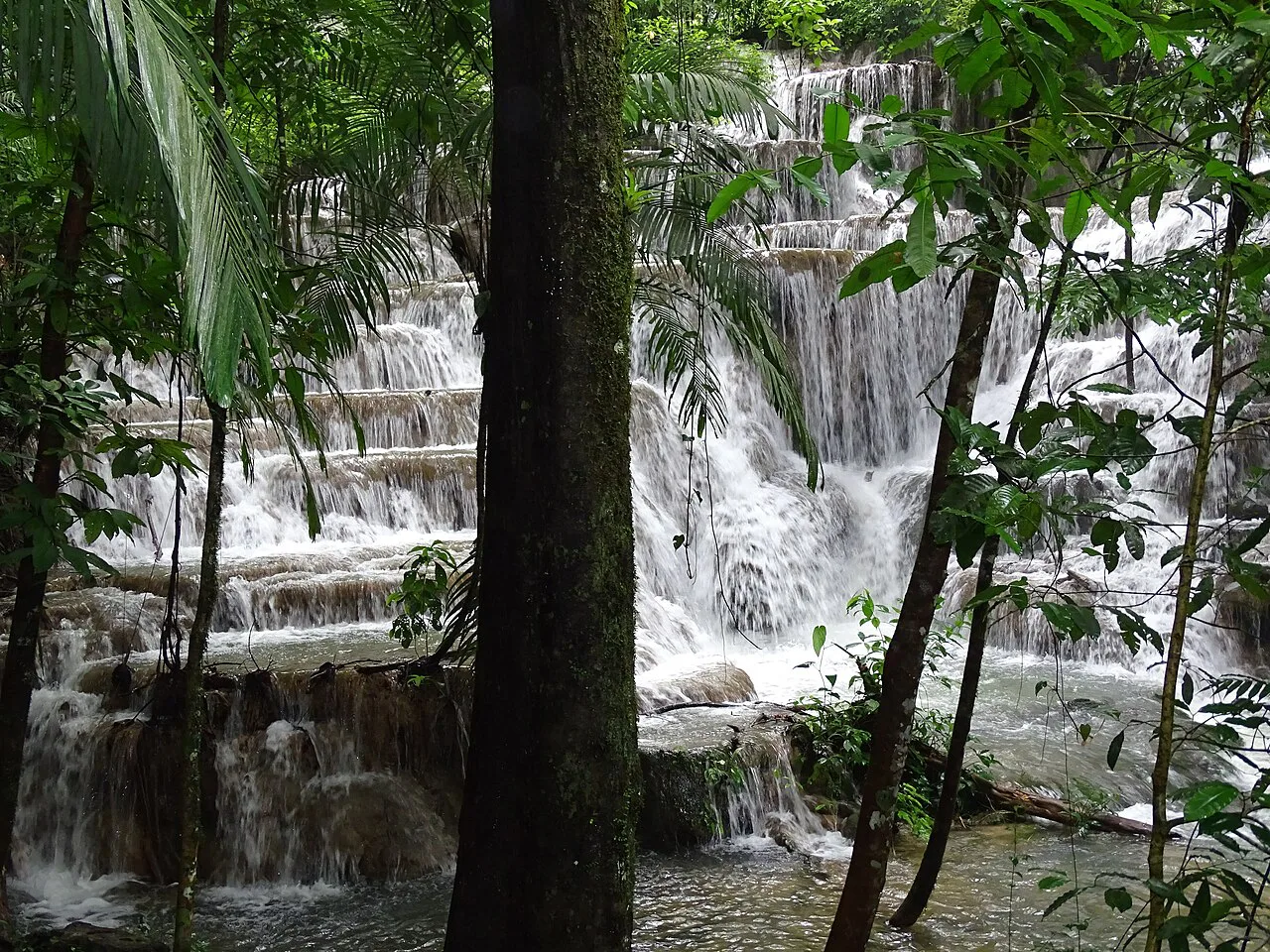
- Misol-Ha Waterfall
- San Juan Chamula
- Yaxchilán Ruins
Sources
Notes for your next Mexico trip
Optional updates when we add or correct a town guide.
You might also like
Continue reading
More guides you'll find useful